May the 14th, 2026 – Croatia’s inflation problem is rapidly turning into a political beast rather than a mere cash-strapped saga. The numbers and the public mood are telling a very confusing story that the majority are growing sick of.
Everywhere you turn, you’ll see read headlines about how Croatia’s economy is growing. You’ll read how it is outperforming the Eurozone average by far. You’ll read about rising wages and a standard of living growing ever closer to that of the West. That’s great, but Croatia still has one of the highest inflation rates in the EU, with prices accelerating again in spring 2026 after gradual improvement. Do any of these sparkling headlines really many a single thing to ordinary people? Not really.
According to the latest Eurostat data, only Bulgaria recorded higher inflation than Croatia during the month of April. That’s hardly a cause for celebration. That alone would be deeply worrying, but what makes the story politically explosive is that inflation is no longer being treated as a temporary economic side effect. It’s becoming one of the defining issues shaping Croatian public life. Frankly, people are sick to the back teeth of having to fork out far more for a basic product than they would in the country next door.
From supermarkets and restaurants to tourism and housing, constantly rising prices now dominate everyday conversation in a way that economic growth figures no longer can.
The strange part of this whole saga is that, no, Croatia’s economy is no longer weak. People feel poorer than they ever did before, however.
many factors are blamed, but is it all really true?
Earlier inflation waves were often blamed on unstable global energy markets, supply chains and post-pandemic disruptions that somehow went on for years and years (not my use of the word somehow). Those factors did have an effect and of course still matter to some extent. That’s especially true after renewed instability across the Middle East pushed oil prices much, much higher in recent weeks.
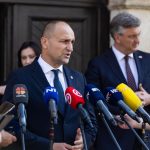
However, Croatian economists and officials are increasingly acknowledging that domestic services are now driving a significant part of inflation pressure. Restaurants, hotels, cafes and tourism-related businesses have raised prices aggressively over the last two years, creating what many people describe as a permanent increase in the cost of living. Finance Minister Tomislav Ćorić also recently admitted that service-sector pricing remains one of the main inflation pressures inside Croatia.
That matters because service inflation is harder to reverse than temporary energy shocks. Once prices rise in tourism and hospitality, they rarely fall back to previous levels. This leaves the general public with one question and one question only – why is nobody actually doing anything about this?
tourism, croatia’s strongest economic branch, has firmly joined the inflation debate
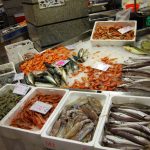
Tourism is Croatia’s bread and butter, and this is where Croatia’s economic model becomes politically sensitive. Tourism has helped drive growth, investment and employment, but many are increasingly noticing that the industry is also making everyday life more expensive for residents. Apartment prices, restaurant costs and even basic summer services have climbed sharply in many coastal areas. That goes without mentioning basic things like food from stores.
To some degree, this explains why the government has recently begun openly urging the tourism sector to reduce prices by 10 to 20% ahead of the now quickly approaching main summer season. Tourism Minister Tonči Glavina warned this week that Croatia risks losing competitiveness, calling for lower margins and promotional discounts across the sector. Just a few years ago, such statements from the government would have been almost unthinkable.
For much of the post-pandemic recovery, the assumption was simple: higher prices meant stronger tourism revenues. Now there are escalating concerns that this strategy may have gone much too far.
croatia’s psychologically complex “success story”
The deeper issue is that Croatia’s inflation problem is becoming political, and its broad so-called economic success story is becoming emotionally complicated. Croatia as a nation is objectively wealthier than it was a decade ago, yet people feel poorer. Infrastructure is improving, yet it still struggles to cope. The employment rate is strong, yet it’s filled with foreign nationals. Investment is growing, but there’s still red tape. Tourist numbers remain high, but those tourists are paying through the nose for the same things they got much cheaper ten years ago.
Part of that comes from the speed of change. Croatia is transitioning from a relatively low-cost EU country into a more expensive economy far faster than anyone could have ever realistically have expected. The result is a growing gap between macroeconomic optimism and everyday financial anxiety. That gap may become one of the most important political and economic themes in Croatia over the next few years. Most would argue that it already has.
The average Joe who finds his wallet getting thinner and thinner doesn’t really care about flashy headlines detailing economic growth, GDP or anything else. For that person, the question is now more about whether he can afford to cover his basic necessities.