May the 13th, 2026 – Few would have put the words “Croatian” and “economic boom” in the same sentence a few years ago, but it is happening. That doesn’t mean that the general public is all happy and fulfilled, however, and the reality is actually confusing, complex and very layered.
It goes without saying that when looked at at a grand scale, for all countries, GDP growth remains the key thing. For Croatia, GDP growth has been among the strongest in the Eurozone for some time now. The employment rate is high. EU cash continues flowing into all kinds of national infrastructure and development projects. Zagreb’s skyline is becoming more and more modern as time goes on, motorways are expanding and foreign investors are paying more attention to the country than they’d ever dream of doing a decade ago.
That all sounds great on paper, but it doesn’t feel so fantastic for most people. The average Joe certainly isn’t feeling very deep-pocketed, as inflation spirals, wages fail to catch up, and people become more and more strapped for cash. That contradiction is so typically Croatian it’s almost funny. Of course, it has to make a meal out of what should be a good news story, and add a few confusing layers – just to keep it interesting.
The Croatian economy is definitely expanding, but so are levels of general anxiety, frustration and concerns about affordability for the general populace. In many ways, Croatia has entered a weird economic phase where macroeconomic optimism and everyday pessimism and even depression somehow keep on existing side by side.
croatia is outperforming most of europe, on paper, anyway

International institutions remain broadly positive about Croatia’s economic direction, but that likely means little to nothing to the majority of people trying to make ends meet and wondering why prices keep on rising.
The OECD recently described Croatian growth as “strong and resilient,” forecasting continued expansion while highlighting the country’s convergence toward average OECD living standards. The report pointed to EU funds, investment growth and structural reforms as major drivers of progress. The IMF has also noted that Croatia continues to grow faster than many Eurozone economies, with local demand and investment supporting momentum despite wider European uncertainty levels rising.
Objectively, much of that progress is real. It’s real for the government. It’s real for various institutions. It’s real for ticking boxes and getting a thumbs up from the right people, but it isn’t very real for many other people.
Infrastructure has indeed improved dramatically. Tourism revenues remain exceptionally high. Unemployment is historically low, despite it following its typical seasonal patterns. Eurozone and Schengen membership have increased integration with western Europe. Looking at the situation across very many areas, Croatia does feel markedly wealthier and more modern than it did before the coronavirus pandemic.
Does that really mean anything on the ground, however? For most, the answer would be a resounding not really.
people are sick not only of inflation, but of the lack of any proper explanation for it
The problem is that wages and economic growth are competing against another force: rising costs. Those rising costs of course cause practical problems, but most people simply want an explanation as to why this is, and not to keep on being fobbed off.
Inflation has become one of the defining themes of Croatian public life since 2023. Food prices, housing costs, restaurants and everyday services have all shot up rather astonishingly. That has resulted in the widespread perception that Croatia is becoming expensive at a rate far too quick for salaries to match that change.
International institutions increasingly acknowledge the issue directly. The OECD warned that strong tourism demand and rising labour costs continue putting pressure on service inflation, particularly in hotels and restaurants. The IMF recently raised its inflation projections for Croatia while warning about overheating pressures inside the economy.
Even Croatian National Bank scenarios now openly discuss how Middle East instability and energy shocks could push inflation higher again in 2026. This has created a visible psychological divide inside Croatia, and people are understandably sick to the back teeth of paying over the odds for basic goods. Most now go to Slovenia, Italy or Hungary because everything is so much cheaper.
On paper, the economy is advancing and everything is sunshine and rainbows. In daily life, many people feel they’re struggling just to maintain the same standard of living.
the eurozone debate – never started, never ended

Turning the clock back to July 2013, Croatia officially joined the EU and was on track to scrap the kuna and adopt the euro as soon as the time was right. Many didn’t actually seem to realise this was implied, with only the UK (before Brexit) and Denmark actually having an “out” from that clause.
Croatia’s Eurozone accession was naturally presented as a historic strategic success. Economically, many analysts still believe it strengthened the country’s long-term stability. The general public would give a very different answer to that. Socially and emotionally, the lack of any debate on the topic still remains sore.
wealthier and more unequal across the board

Another emerging issue is the uneven distribution of Croatia’s economic growth. Are people richer? Yes, some are. Is the economic gap going from a sliver to a trench? Also, yes.
Tourism-dominated areas, property owners and sectors connected to EU investment have benefited heavily from post-pandemic recovery. However, many workers based outside major urban centres still feel economically vulnerable, and that feeling is only growing as time marches on. Housing affordability has become particularly sensitive as far as this is concerned. Various international organisations are now quite openly warning that short-term rentals, tourism pressure and limited supply are reducing affordability for local residents.
Young Croats increasingly face a paradox: the country appears more successful internationally while becoming harder to afford domestically. Many are still leaving and heading elsewhere regardless of these “successes” that actually mean next to nothing for most average people. That partly explains the strange emotional atmosphere surrounding Croatia’s current economic moment. The country no longer feels poor in the way it used to, but it also feels a world away from prosperous for ordinary people.
ticking boxes with little perspective has resulted in even more complicated problems
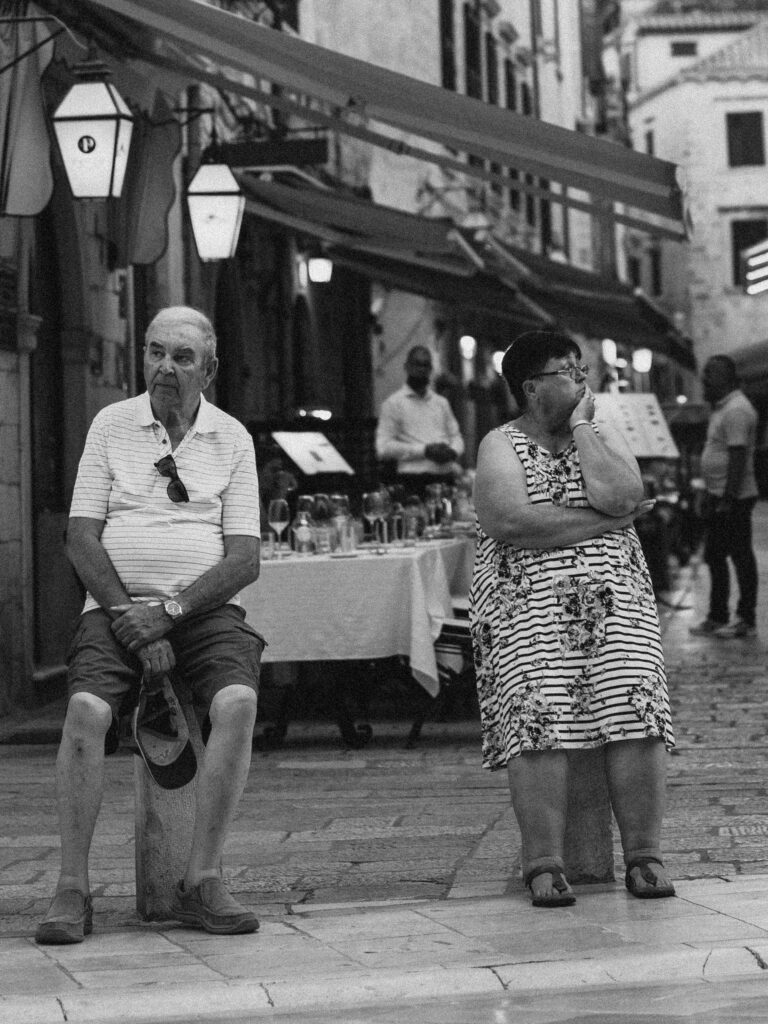
For decades, Croatia’s only economic narrative was simple: catching up with western Europe. Now the story is becoming more complicated. It seems that turning into the land of milk and honey on paper doesn’t taste quite as sweet as expected.
The country is no longer discussing survival or basic stabilisation. Instead, debates increasingly focus on inflation, competitiveness, housing, demographic decline, productivity and long-term sustainability. Croatia has welcomed in the host of issues much wealthier European economies also face, and with zero experience in coping with them.
In some ways, that itself reflects Croatia’s transformation. Paradoxical, complicated, and with no easy fixes. Typical Croatia, many would say.