May the 19th, 2026 – A growing discussion is emerging surrounding tourism-related taxes and local levies ahead of the 2026 summer season, and it’s causing ripples.
Several different coastal municipalities are reviewing the level of tourist taxes (boravišna pristojba) and additional seasonal charges, as local governments try to balance rising infrastructure costs with record visitor numbers. This particular issue is becoming more visible because tourism revenues are increasing, but so are the costs of managing overcrowding, waste, water supply and public services during the absolutely peak summer months.
Municipalities along the Adriatic coast and on the islands are arguing that tourism puts disproportionate pressure on local infrastructure that must be scaled up for just a few months of the year. Waste collection, water systems, beach maintenance, emergency services and traffic management all require additional seasonal funding. As a result, some local authorities are reportedly considering adjustments to tourist tax levels or introducing more targeted seasonal fees for specific services.
businesses aren’t thrilled
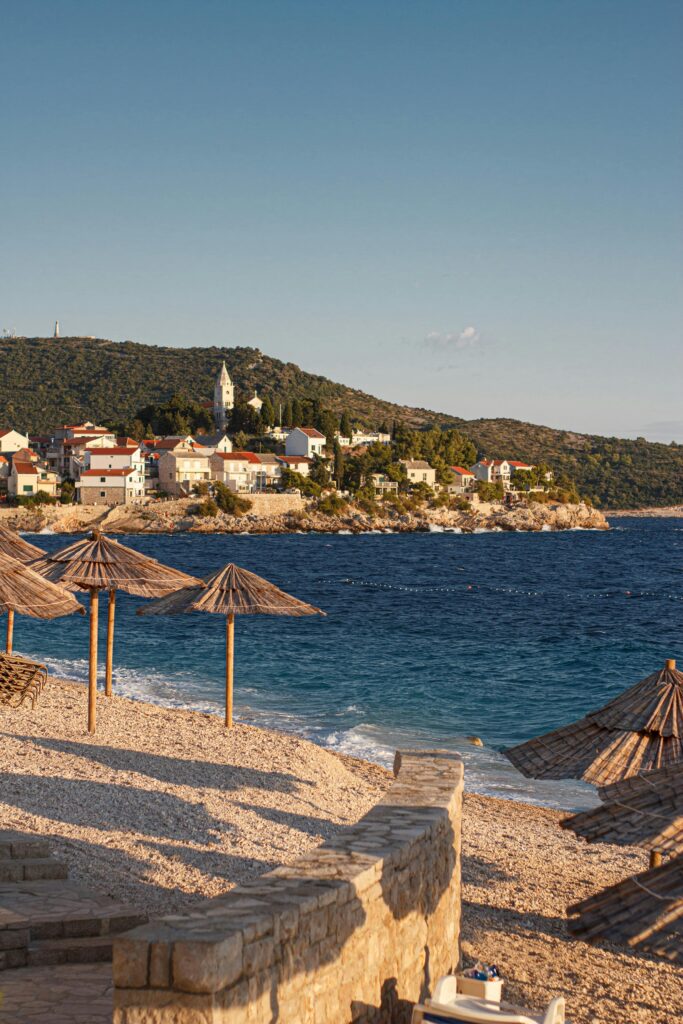
At the same time, tourism businesses are warning that Croatia must be careful not to make destinations less competitive compared to the likes of tourism giants such as Greece, Italy or Spain. Hospitality operators argue that even small increases in total visitor costs such as accommodation, food, parking and taxes can influence booking decisions in an increasingly price-sensitive Mediterranean market.
This is feeding into a wider national debate about whether or not Croatia is reaching the upper limit of what tourists are willing to pay. This isn’t new as a topic, but it’s expanding to touch on more and more things.
The core challenge is balancing two competing pressures: funding infrastructure on one side, and maintaining price competitiveness on the other. Croatia’s tourism model remains extremely heavily seasonal, meaning municipalities rely disproportionately on summer income. With that being said, as tourism becomes more expensive globally, even small pricing shifts are being scrutinised more closely by both visitors and industry stakeholders.
small policies – huge implications
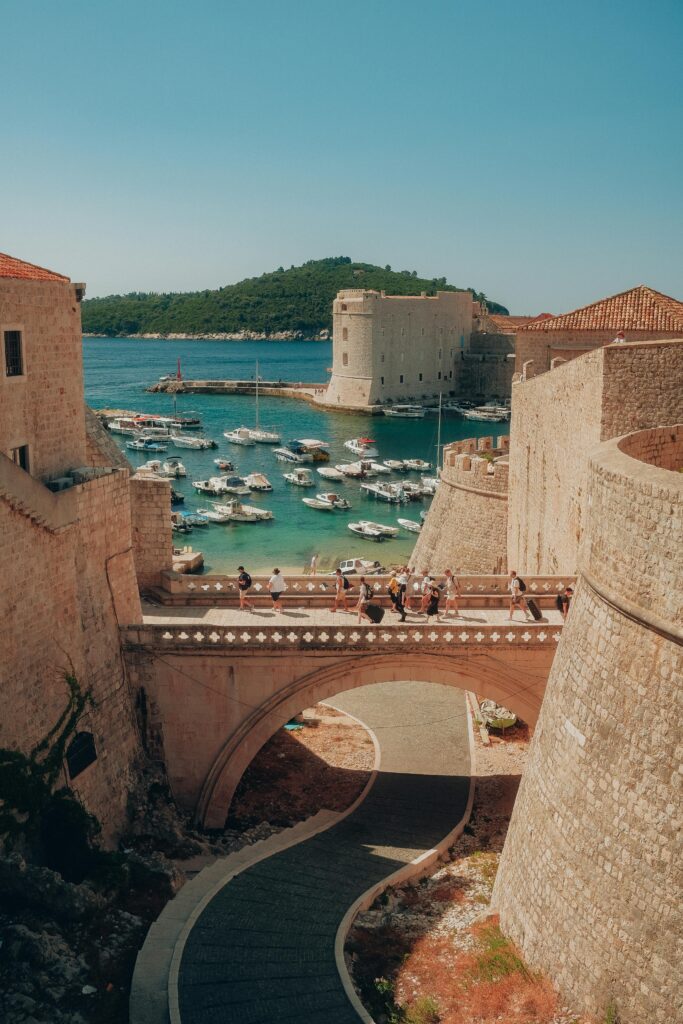
While tourism taxes are not exactly anything new, this now burning debate is becoming more prominent as Croatia’s record visitor numbers continue. What was once a technical budget adjustment is now part of a broader conversation about Croatia’s long-term tourism strategy and whether the country can maintain growth without pricing itself out of key markets.