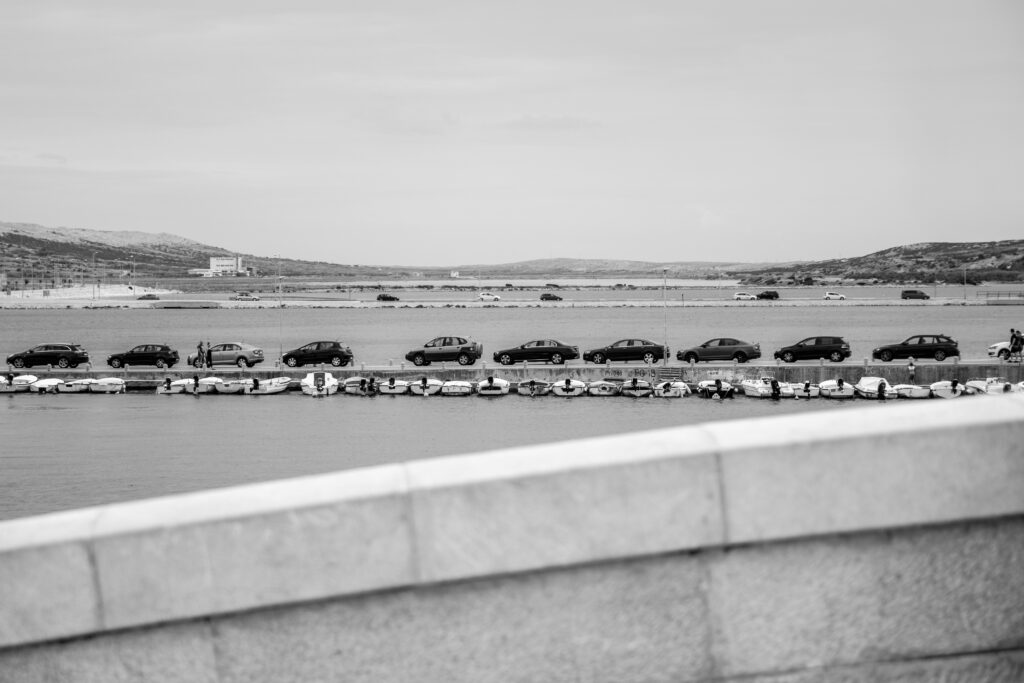
May the 19th, 2026 – Croatia’s summer traffic chaos is almost becoming part and parcel of the entire experience for some tourists who drive to the country, but it’s taking a serious toll.
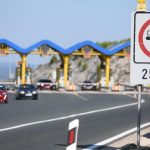
For millions, arriving anywhere on the Croatian coast during summer naturally implies long, barely crawling motorway queues, packed toll booths, ferry congestion and hours of traffic crawling towards various end destinations, either on the mainland or on an island. It seems that this difficult situation is no longer viewed as a mere seasonal inconvenience, but part of the Croatian tourism experience itself, for better or worse.
Every single year, Croatia experiences one of Europe’s largest seasonal traffic shifts relative to population size. Tourists from Germany, Austria, Slovenia, Italy, Hungary, Poland and other nearby countries pour into the country by car, while domestic travel toward the coast and the islands seriously intensifies at exactly the same time.
The result is enormous pressure on the motorway system, especially during weekends throughout the scorching months of July and August. The A1 motorway, which is the main route connecting Zagreb with Dalmatia, becomes one of the country’s biggest bottlenecks during peak travel days. Were it an actual artery, it would be so severely clogged that its host would be in real danger.
added pressure
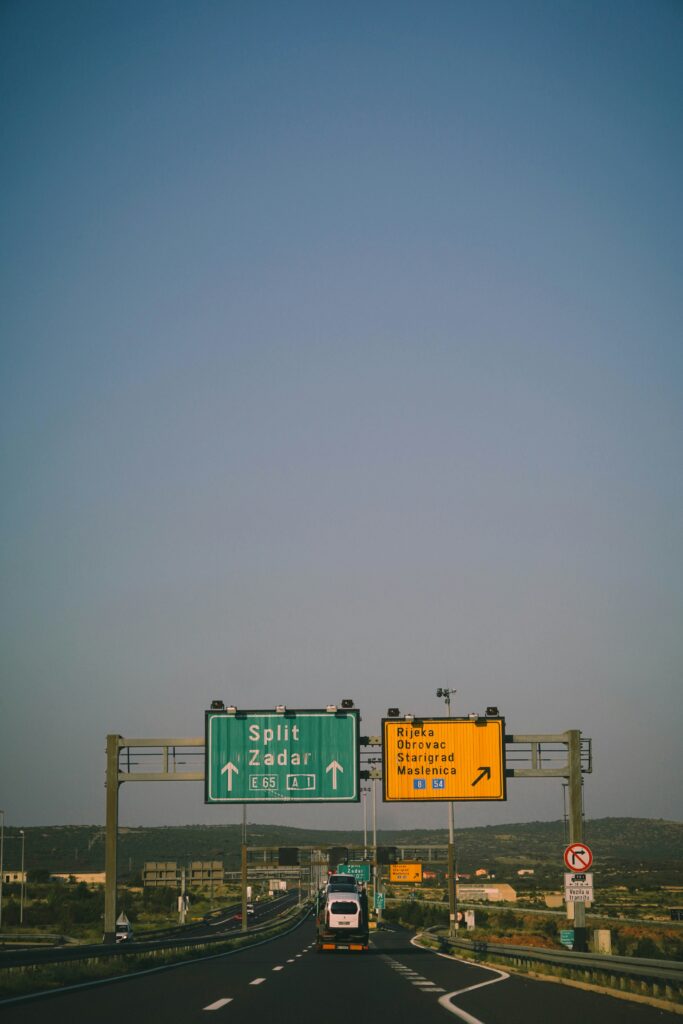
The problem does not end once drivers reach the coast itself. Traffic around Split, Zadar and major ferry ports often becomes heavily congested during turnover weekends, particularly when tourists arrive and depart simultaneously. Island routes experience additional strain as ferry demand spikes, creating long waiting lines for vehicles and passengers.
Painful scenes of kilometres-long queues at ports and motorway exits throughout the busiest parts of summer are just part of that time of year.
Croatia’s motorway system was once viewed as one of the country’s major development success stories. If you were to ask anyone who has used them, they’d quickly agree that in very many ways, it still is. The roads are excellent, the tech used for making their use smooth is great, and the scenery you pass is second to none. The expansion of Croatia’s widely commended motorways dramatically improved national connectivity and helped fuel Adriatic tourism growth over the past two decades. Regardless, tourism numbers have continued rising rapidly, and infrastructure pressure is now becoming increasingly visible.
Road systems originally considered highly modern are now facing volumes that test their limits during peak season.
the insufferably hot croatian summer makes being stuck inside cars not only unpleasant – but sometimes genuinely dangerous
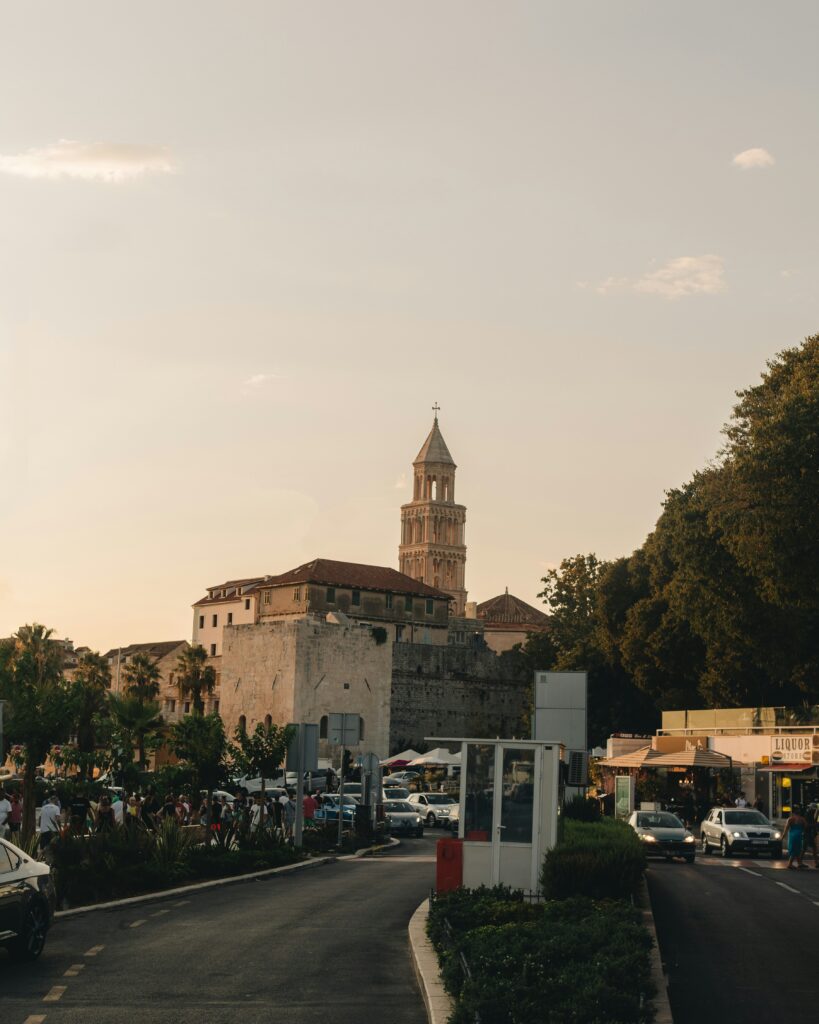
Croatia’s intense and unrelenting summer heat adds another challenge. Long traffic delays under extreme temperatures create stress for drivers, increase fuel consumption and place additional pressure on emergency services and roadside infrastructure. Accidents or breakdowns during peak weekends can quickly trigger major disruptions across large sections of the motorway network. Croatian traffic reports during summer increasingly resemble real-time crisis management rather than ordinary travel updates.
One important shift now emerging is behavioural. Visitors are increasingly planning travel around expected congestion, arriving midweek, travelling overnight or choosing pre or post-season holidays to avoid the worst summer traffic. Some tourism operators and analysts believe this may gradually support Croatia’s broader push toward extending the tourism season beyond July and August. The idea is simple: if summer overcrowding becomes too exhausting, tourists may start choosing quieter periods instead, and nobody in their right mind could ever blame them.
coastal and island residents are in their own summer hellscape
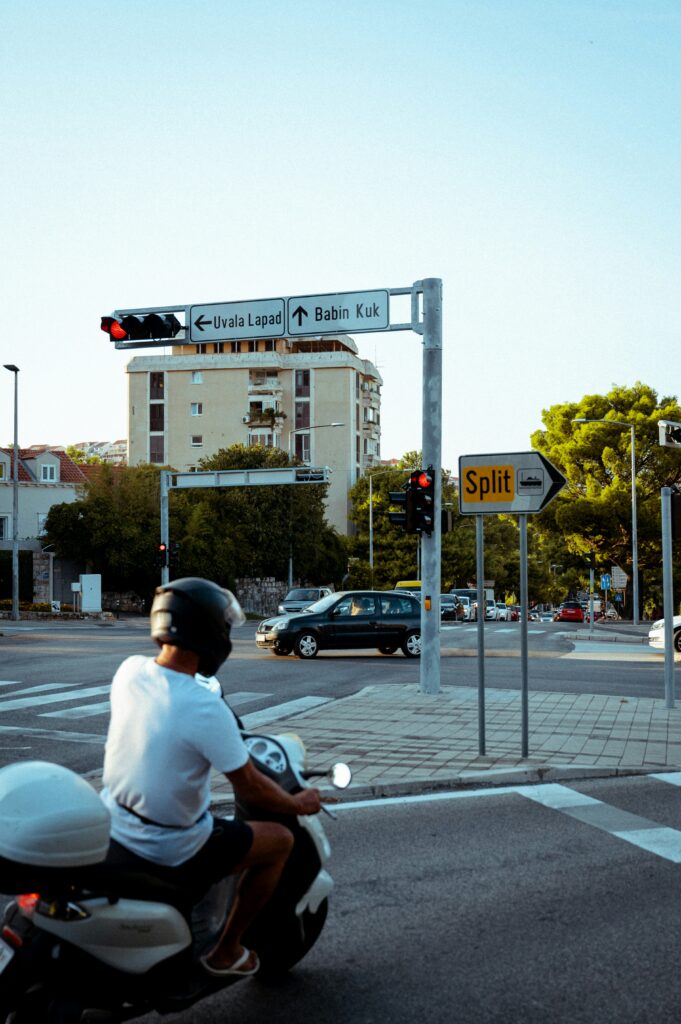
For locals, the issue is not just about tourism convenience. Traffic congestion affects commuting, deliveries, emergency access and everyday life throughout coastal regions during summer. Residents in some Adriatic cities increasingly complain that moving around their own towns becomes significantly harder during the peak summer season due to visitor traffic. This contributes to a wider debate already growing across Croatia about balancing tourism growth with quality of life.
What makes the situation complicated is that traffic congestion is ultimately a side effect of Croatia’s tourism success. The country remains overwhelmingly car-dependent as a destination, especially for central European visitors arriving from nearby EU markets. As long as Croatia continues attracting record numbers of tourists, transport pressure will likely remain part of the summer reality.
For years, Croatia’s biggest tourism challenge was attracting international visitors. Today, that challenge has changed. The country now faces a more complicated question: how to move millions of people efficiently through relatively limited (not to mention usually ancient) coastal infrastructure without damaging the experience itself. The (hot, sweaty) story of summer in Croatia is no longer just beaches, islands and sunshine. It’s now also boring traffic jams, endless waiting lines and the growing pressure created by the country’s own unbridled global success.