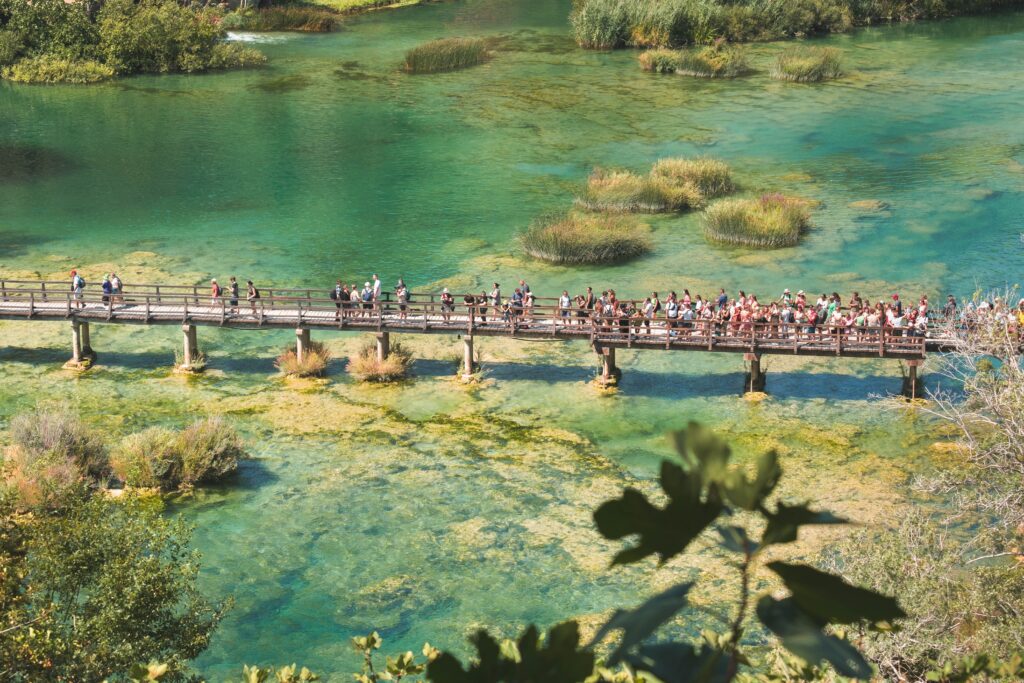
June the 9th, 2026 – Croatian national parks are already dealing with tourist masses as we enter the summer season. The question now is whether or not they can maintain exactly what makes them so special while admitting countless visitors.
From the turquoise lakes in Plitvice to the waterfalls of Krka and the untouched landscapes of Mljet, these protected areas attract millions of visitors every year and feature prominently in tourism campaigns around the world. As another busy summer season begins, the focus is firmly on whether Croatia can actually continue increasing visitor numbers without damaging the unspoiled nature tourists come to see.
This particular question is becoming increasingly important as Croatian national parks face record demand already, bringing with it growing environmental pressures and the challenge of balancing conservation with tourism revenue.
Croatian national parks have never been more popular. Plitvice Lakes National Park remains one of the country’s most visited attractions, drawing visitors from every corner of the globe. Krka National Park continues to attract huge numbers thanks to its spectacular waterfalls and proximity to the Adriatic coast. Meanwhile, parks such as Paklenica, Mljet, Risnjak and Northern Velebit are seeing growing interest from travellers looking for outdoor experiences beyond the traditional beach holiday. Naturally, this is a glowing badge of success for the tourism industry, but for conservationists, it’s also a growing source of concern.
do croatian national parks accept too many visitors?

The challenge facing park authorities is straightforward, and every visitor leaves some impact. More visitors mean more pressure on footpaths, parking areas, waste management systems and fragile ecosystems. At Plitvice in particular, concerns about overcrowding have been raised repeatedly over the years, particularly during the peak summer months when thousands of tourists arrive daily. Visitors often report congestion on wooden walkways, long queues for boats and crowded viewing points. While tourism generates valuable revenue, experts warn that excessive numbers can reduce the quality of the visitor experience and place additional strain on protected environments.
Environmental issues aside, Plitvice isn’t ideal to visit during the scorching summer when the temperatures can become truly insufferable. Crowding and intense heat make it impossible to take in and appreciate the stunning natural beauty the park boasts, with other times of the year far more appropriate for an actually enjoyable visit.
Lessons from around the world
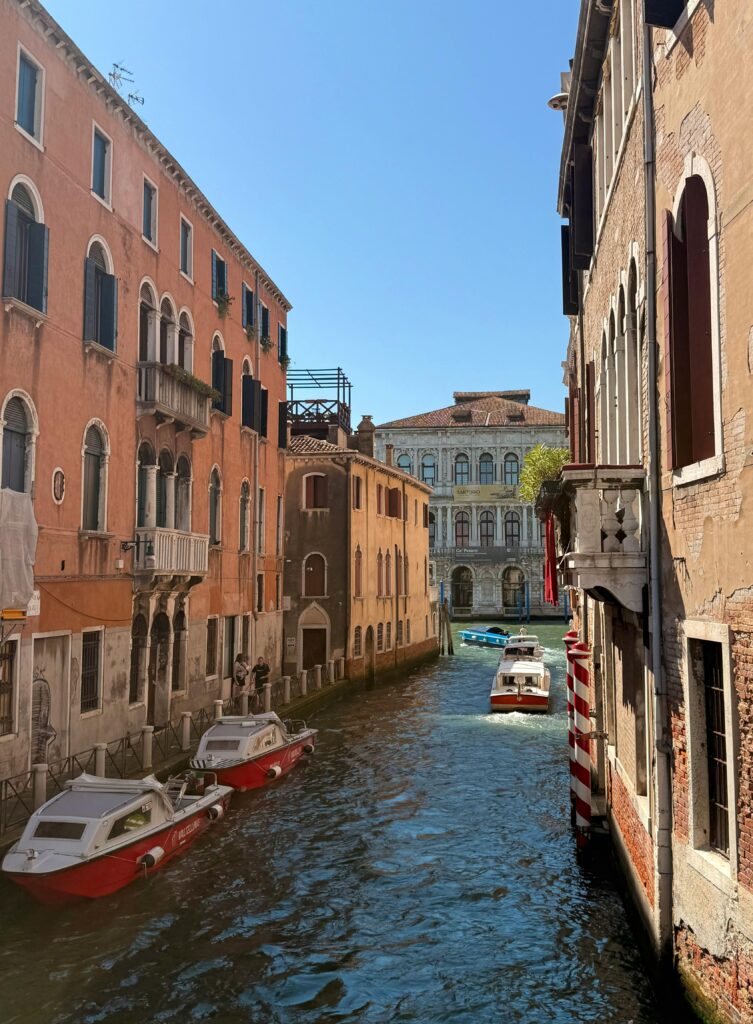
Croatia is far from alone here. Popular natural destinations across Europe are facing similar challenges, with famous cities being the poster children of this struggle. From Venice and Barcelona to Iceland and the Greek islands, authorities are increasingly discussing over-tourism and how to manage visitor numbers sustainably.
National parks face a particular dilemma because their appeal depends on preserving natural beauty. Unlike urban attractions, damaged ecosystems can take years (or even many decades) to recover.
Croatia has already introduced changes
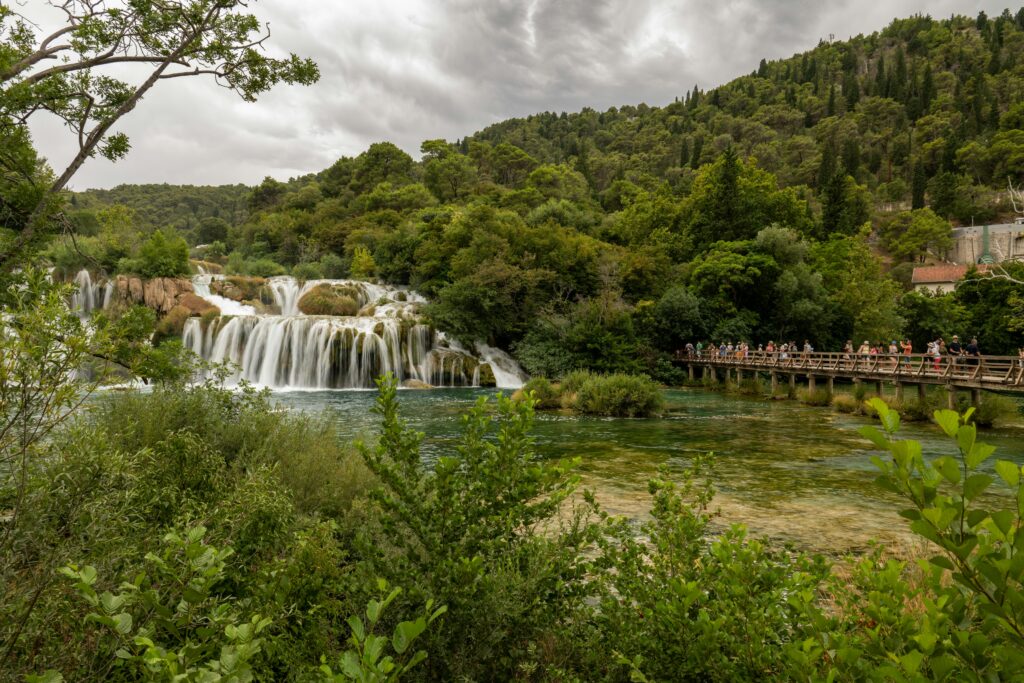
Park authorities are not ignoring the issue. Over more recent years, several Croatian national parks have introduced visitor limits, online booking systems and stricter management practices designed to spread arrivals more evenly throughout the day. Plitvice Lakes, for example, now requires advance ticket reservations during busy periods to reduce overcrowding. Those within the tourism sector loudly argue these measures have significantly improved visitor flow and reduced pressure on sensitive areas. However, demand continues growing alongside environmental worries.
Climate change adds another challenge

Tourism is not the only concern. Climate change is creating additional pressures on Croatia’s protected landscapes. Hotter summers, changing rainfall patterns and increased wildfire risks are affecting ecosystems throughout the country. Scientists warn that environmental management will become even more important as weather patterns become less predictable. For parks already dealing with large visitor numbers, climate-related pressures add another layer of complexity.
Ironically, Croatia’s success is partly being driven by changing travel trends. More travellers are seeking authentic outdoor experiences, hiking opportunities and natural landscapes. This has benefited Croatia enormously as the country’s reputation for clean seas, dramatic mountains and well-preserved parks has become a major competitive advantage. With that being said, that very same popularity means authorities must work harder to protect those resources.
The stakes are high, as Croatian national parks support local businesses, create jobs and contribute significantly to regional economies. Hotels, restaurants, tour operators and transport providers all benefit from the millions of visitors attracted by Croatia’s natural attractions. Limiting visitor numbers can therefore become politically sensitive.
Quality over quantity?
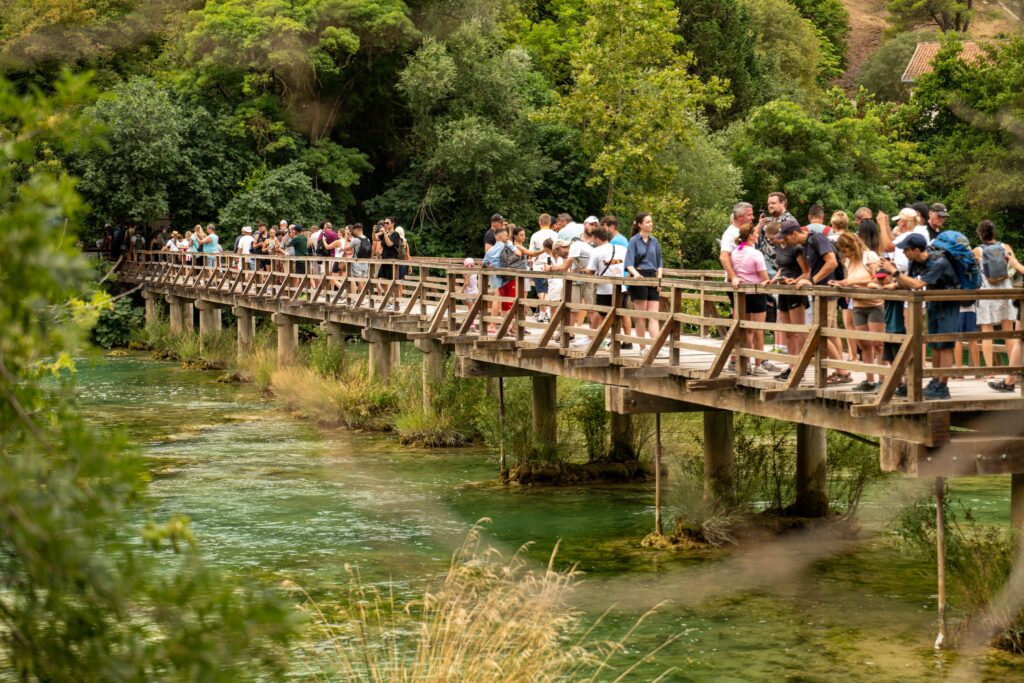
Many tourism experts believe the future lies in attracting higher-value visitors rather than simply increasing numbers. The goal would be to improve the visitor experience while reducing pressure on natural resources. That approach mirrors a broader conversation taking place across Croatian tourism, where increasing emphasis is being placed on sustainability rather than endless growth.
The country’s national parks remain among Europe’s most beautiful protected areas, and demand continues to grow. The question is whether Croatia can maintain that success without compromising the landscapes that made it famous in the first place.