
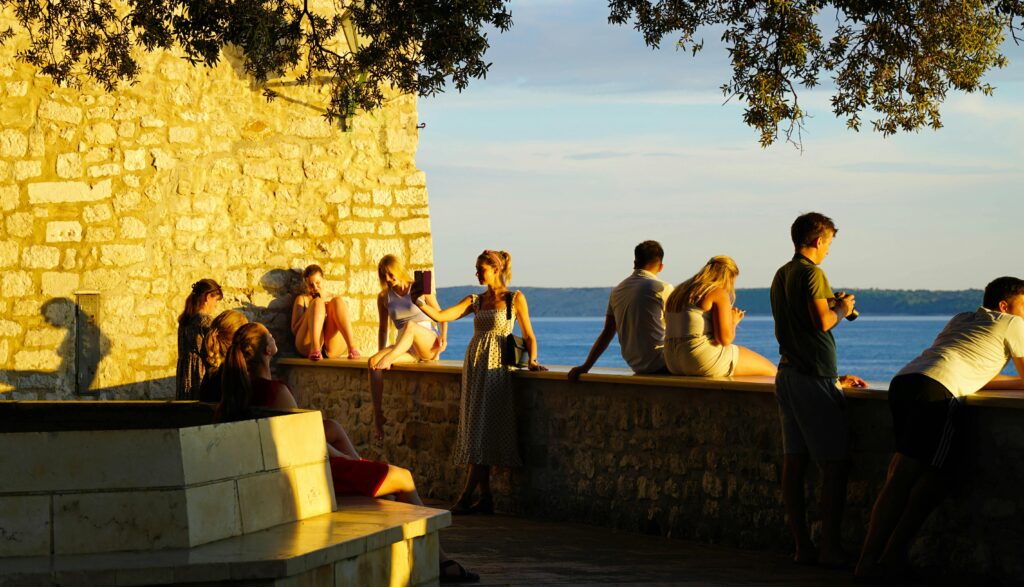
June the 9th, 2026 – Young Croatian people are joining others in abandoning bigger cities and instead opting for smaller settlements where their quality of life increases, rather than merely being better situated for an office job.
While Croatia has spent years grappling with emigration abroad and rural depopulation, a quieter trend is now emerging inside the country itself: young people are increasingly leaving cities as well.
For decades, Zagreb, Split, Rijeka and other urban centres were seen as the main destinations for internal migration. Young Croatian people moved to bigger cities to pursue their formal education, have better access to different jobs, enjoy the nightlife, and grab new opportunities. It seems now that that pattern is beginning to shift in subtle but noticeable ways.
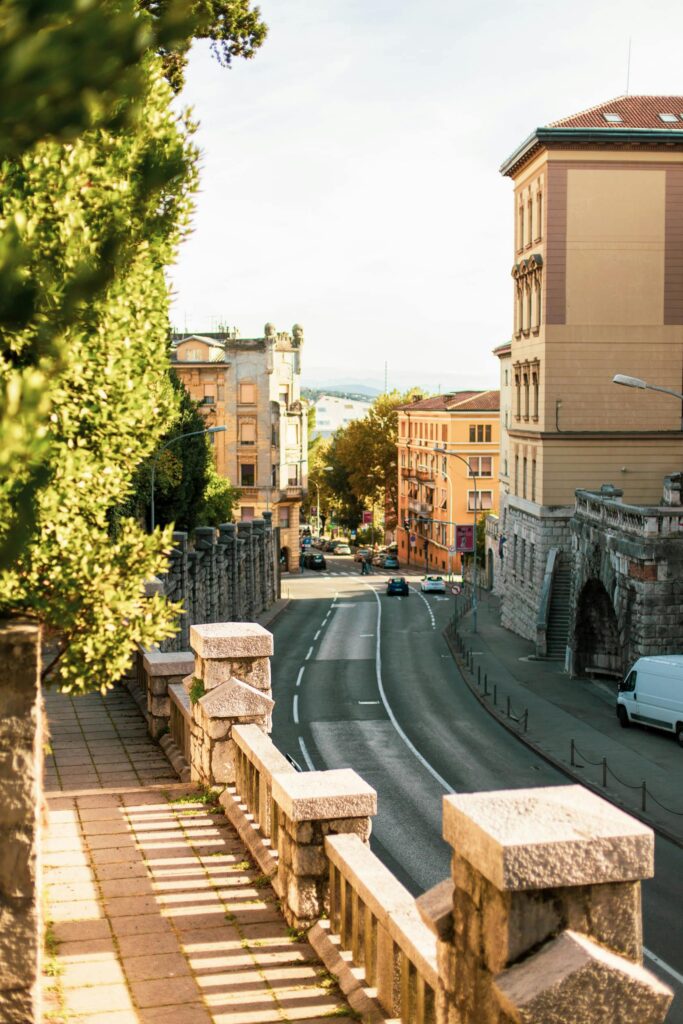
Instead of staying in expensive city centres, a growing number of young Croatians are relocating to smaller towns, surrounding municipalities, or coastal and rural areas where living costs are lower and housing is more accessible. In some cases, others are leaving Croatia entirely after short periods in urban centres, saying the cost of city life is no longer sustainable.
The most commonly cited factor is housing. Rent prices in Zagreb and other major cities have increased significantly in recent years, driven by tourism demand, short-term rentals, and limited long-term supply. For many young workers and students, renting an apartment in central locations has become increasingly difficult without shared housing or family support.
At the same time, wages have not always kept pace with the cost of living. While employment opportunities remain concentrated in larger cities, many younger workers say the financial gap between income and everyday expenses is pushing them to reconsider where they live.
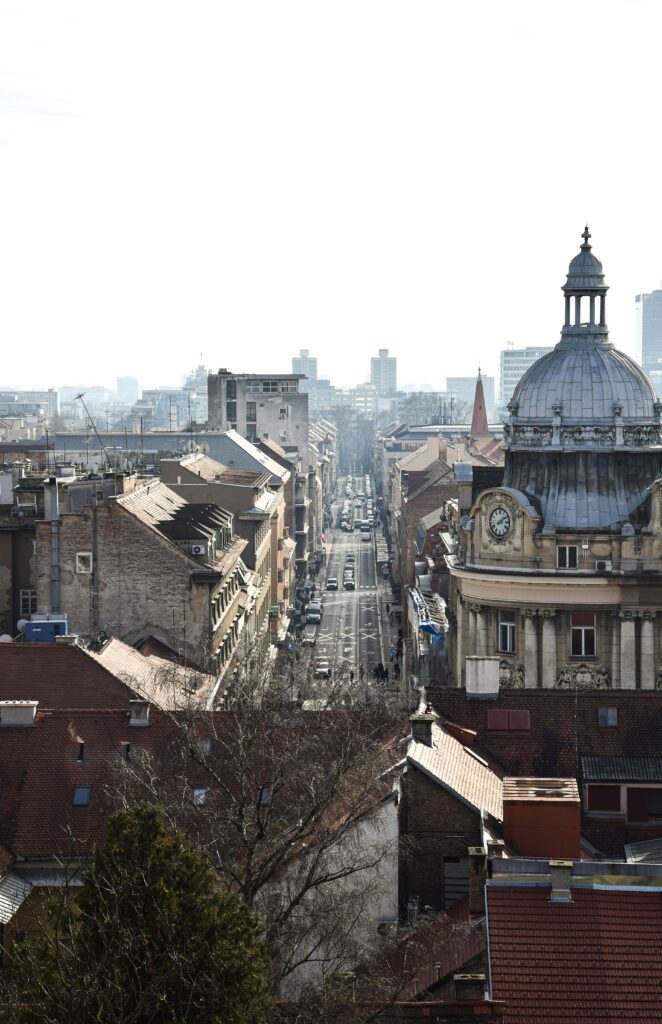
This has created a paradox: Croatia’s cities still concentrate opportunity, but they are also becoming less accessible to the very generation expected to sustain them.
Smaller towns and suburban areas around Zagreb and coastal cities are increasingly benefiting from this shift. Improved transport connections and remote work opportunities have made it easier for some young people to remain connected to urban jobs while living elsewhere.
However, experts warn that this trend also carries long-term risks. If cities lose too many young residents, they could face labour shortages in key sectors, reduced economic dynamism, and slower demographic renewal. At the same time, smaller communities may struggle with uneven infrastructure development and limited services if growth is unplanned.

The shift is not uniform. Some young Croatians still move to cities for education and remain there. Others use cities as stepping stones before moving abroad. But the overall pattern suggests a more fragmented mobility landscape than in previous decades.
What is becoming clear is that Croatia’s demographic story is no longer just about leaving the country or leaving rural areas. Increasingly, it is also about rethinking the role of cities themselves.