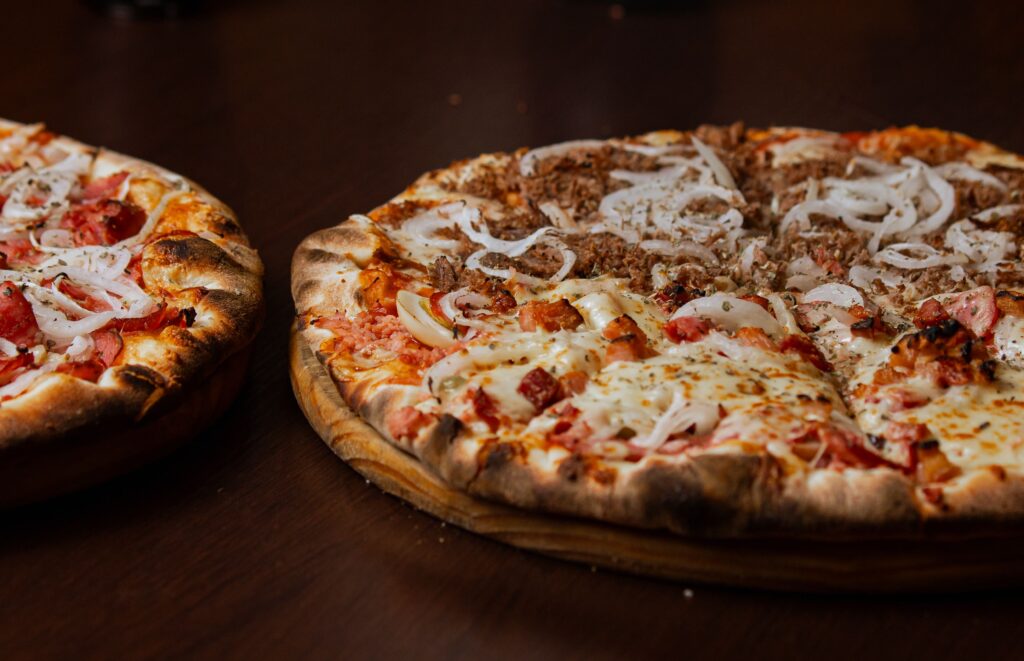
August the 4th, 2026 – Croatian pizza prices have sparked fresh debate as a bill of 32 euros issued in Stari Grad on Hvar goes viral across social media.
Debates over prices on the Croatian coast have once again erupted on social media, with a restaurant bill from the island of Hvar becoming the latest trigger for a wider discussion about the cost of summer holidays in Croatia. Poslovni reports that this latest price-related controversy began after a guest shared a receipt from a pizzeria in Stari Grad, where a large pizza cost 22 euros. The post quickly spread online, dividing opinions between two opposing camps.
Some users described such prices as completely unreasonable and a sign of growing greed in the tourism sector. Others argued that restaurants clearly display their menus and prices, meaning guests can see the costs in advance and decide whether they want to order. The fact that another seaside bill became a viral topic highlights how strongly food and service prices continue to shape conversations during every tourist season. The debate has grown beyond the price of one pizza, becoming part of a larger discussion about Croatia’s tourism model.
22 euros is steep compared to a 7.50 euro pizza in italy

Soon, visitors began sharing their own experiences and comparing Croatian coastal prices with those in other popular European destinations. One social media user compared the situation with southern Italy, saying that in a restaurant in Ercolano, near Naples, a pizza cost just 7.50 euros, a beer 3 euros, and a bottle of white wine 10 euros.
Others shared less positive experiences from Croatian islands. One visitor said that while the island of Vis was beautiful, the prices were too high. She described paying €120 per person for a seven-hour speedboat excursion that included visits to three caves and two beaches, but without lunch included. She also pointed out that entering one of the caves cost an additional €15, even for those who chose to swim there themselves.
However, not everyone believes the criticism is justified. Some commenters argued that visitors simply choose where they travel and where they eat according to their own budgets. “Everyone goes where the food and prices suit them,” one comment said, summarising the opinion of those who believe customers have the final choice.
Many also pointed out that high prices will continue as long as there is demand and people willing to pay them.
“While there are people who will gladly pay 22 euros for a pizza, there will be prices like this. But tourism cannot rely on this forever,” one user wrote, warning that the current model may not be sustainable in the long term. Others noted that expensive pizzas are not only found on the coast, mentioning examples from Zagreb as well, expanding the discussion beyond seasonal tourism.
An even more expensive pizza becomes the symbol of the debate

The most attention, however, was attracted by a comment from a man who claimed that he had seen an even more expensive pizza on the island of Brač. “There are also pizzas for 32 euros. If it doesn’t suit you, the door is open for you to leave and go elsewhere,” he wrote.
The comment quickly became a symbol of the argument that prices are ultimately determined by supply and demand, with businesses charging what customers are prepared to pay. Another theory that appeared in the discussion was that some tourists deliberately visit the most expensive restaurants so they can later complain online and share their bills on social media, gaining attention. “They go there on purpose so they can complain about high prices afterwards,” one commenter suggested.
Guests complain, but the spending continues…
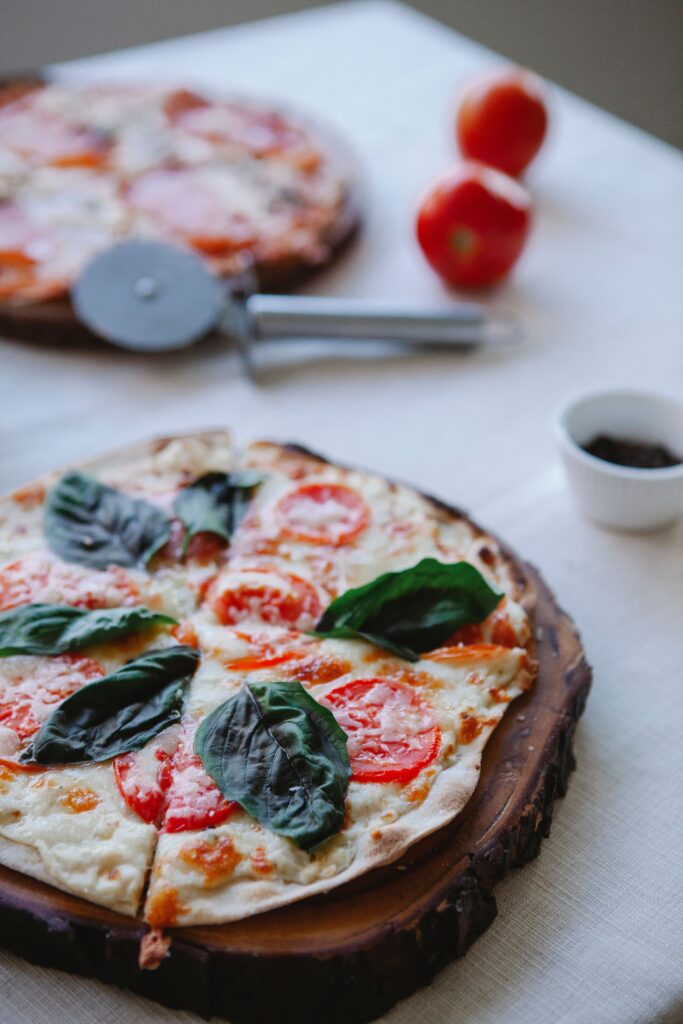
Although complaints about Croatian prices return every summer, financial data paints a more complex picture. Examples of expensive bills continue to circulate online, including a case of visitors from neighbouring Bosnia and Herzegovina who reportedly paid more than 50 euros for a jumbo pizza and two coffees near Dubrovnik, as well as a British tourist who paid a whole 42 euros for just two drinks in Split.
However, spending figures show that tourists are still opening their wallets. According to data from Croatia’s Tax Administration, consumer spending during the summer months has continued to grow. In July, the total value of fiscalised receipts increased by almost 24 percent compared with the same month last year, reaching 6.8 billion euros.
The hospitality sector also recorded growth, with more than seven percent more receipts issued and their total value increasing by over 11 percent. Tourism analysts say this shows that visitors continue to spend despite complaints, although they warn that such a trend may not be sustainable forever.
The picture is not the same everywhere
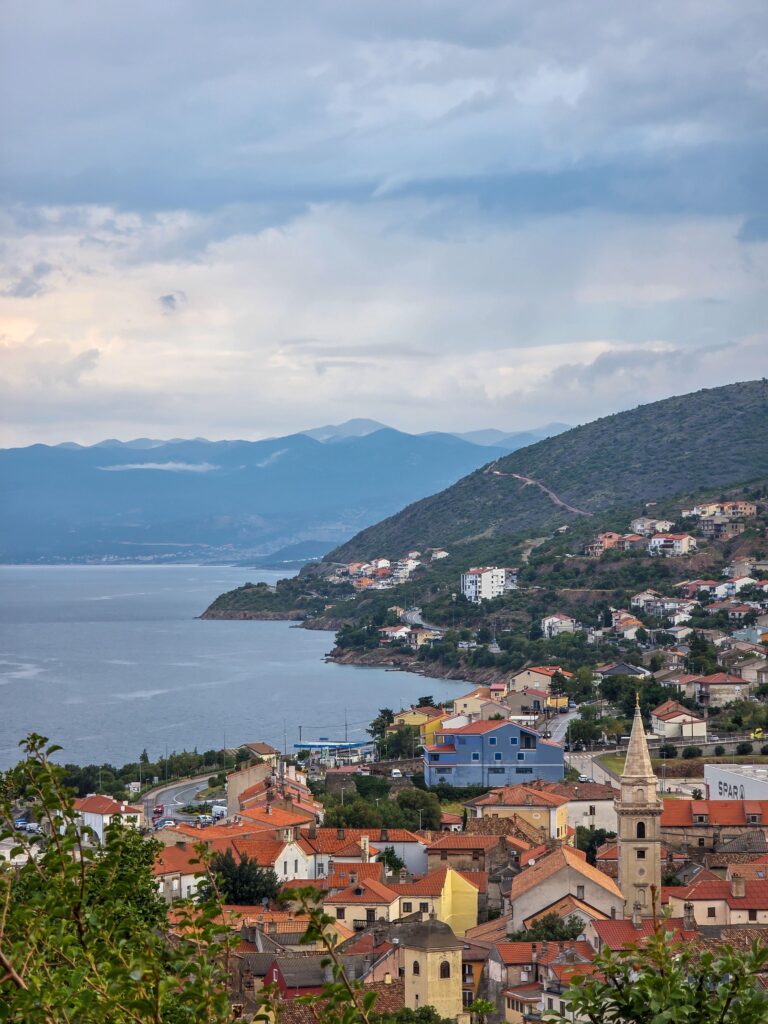
A closer look at the tourism sector shows that success is not evenly distributed. While luxury hotels and high-end campsites are recording strong occupancy and increased revenue, many small private accommodation providers and some restaurants are facing difficulties. June 2026’s figures showed a decline of seven percent in arrivals and six percent in overnight stays compared with the previous year, with the largest drops recorded in Istria, Kvarner and Zadar County.
The data suggests a growing divide within Croatian tourism. Luxury segments continue to perform well, while businesses offering average services at increasingly high prices are finding it harder to attract guests. Tourists appear to be paying closer attention to value for money and are becoming less willing to spend large amounts on experiences that do not match the expected quality.
Market rules apply, but guests are becoming more demanding
Tourism experts have repeatedly warned about price increases that are not matched by improvements in quality. While the government and the Ministry of Tourism have called for more reasonable pricing policies, Boris Žgomba, president of the Croatian Chamber of Commerce’s Association of Travel Agencies, has stressed that prices are ultimately determined by the market and the relationship between supply and demand. Croatia has positioned itself alongside other Mediterranean destinations such as Italy and Spain in terms of pricing, while Dubrovnik regularly ranks among the most expensive cities in the region.
At the same time, travellers are increasingly searching for authentic experiences, local culture and quieter destinations. This could create opportunities for parts of Croatia’s tourism industry that adapt to changing expectations.
If prices continue rising without a corresponding improvement in quality, some tourists may turn towards more affordable destinations such as Albania, which has experienced strong tourism growth by attracting visitors who find Croatia or Greece too expensive. As another busy summer season unfolds, prices on the Croatian coast and islands remain one of the most debated topics in Croatia, raising a continuing question: where is the line between market logic and genuine hospitality?