April the 14th, 2026 – As the data reveals that Croats spent a whopping 2.8 billion euros on foreign travel in 2025, what does the tourist season in this country say thus far this year?
As Jadranka Dozan/Poslovni Dnevnik writes, the 2026 tourist season is proving solid so far. With a total of 1.1 million arrivals and three million overnight stays recorded in the first quarter of the year. Tourist numbers exceeded last year’s by 9% (arrivals) and 8% (overnight stays), respectively, and during the extended Easter weekend, half a million overnight stays were recorded by the eVisitor system.
last-minute decisions will dominate 2026
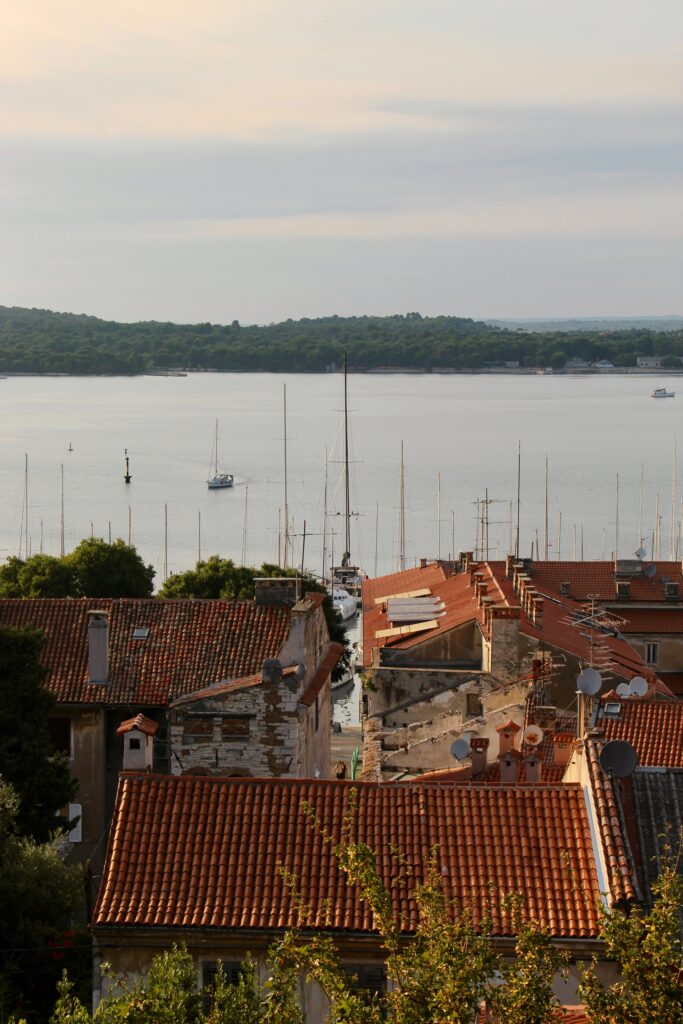
However, the key part of the 2026 tourist season is yet to come this summer, and in conditions of global uncertainty, caution should be exercised. This is especially true when it comes to the more pronounced so-called last-minute trend in making travel decisions, which are likely to dominate in 2026. This was also stated recently by the Minister of Tourism and Sports, Tonči Glavina.
The current global geopolitical tensions and the accompanying disruptions across the energy and fuel market, as well as the risks that this potentially means for the economic dynamics and standard of living, are pressing issues. More recently, the governments of individual European Union countries, as well as the European Commission itself, have been calling on the population to travel less long distances.
Several European countries have stepped up activities aimed at promoting domestic tourism, alongside the usual campaigns motivated by encouraging year-round demand or sustainability goals (by emphasising less popular and crowded tourist routes).
safety reigns strong as a message from croatia
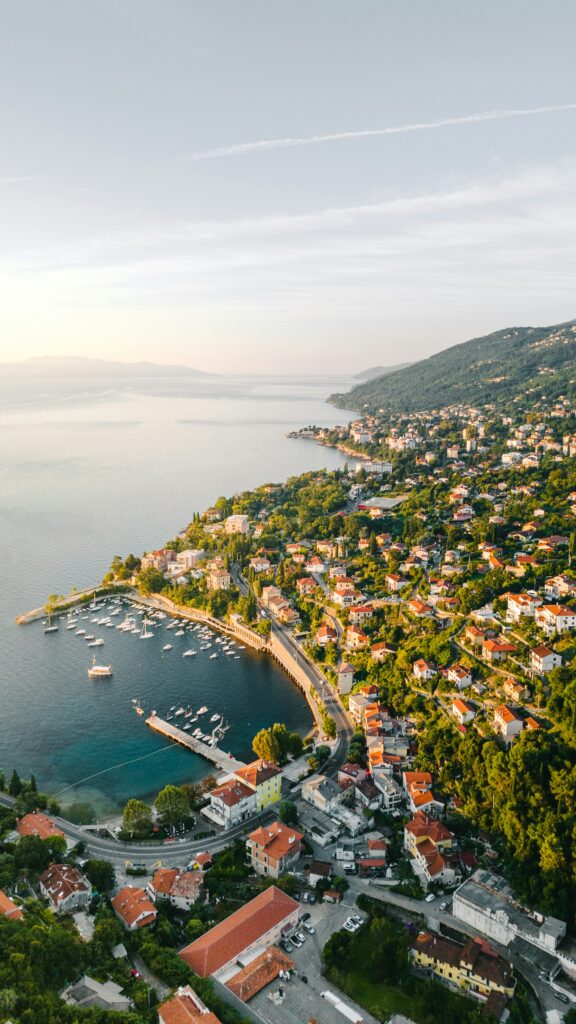
For Croatian tourism in particular, in addition to the proximity of the main source markets, the perception of destination safety is certainly gaining more and more importance. Communication and messages within the framework of promotion, which usually emphasise the quality and diversity of the offer, have also been modified to some extent in this direction. According to tourism sector stakeholders, however, it’s being persistently emphasised that pricing policy is gaining additional importance, and this hasn’t been overlooked by the director of the Croatian National Tourist Board, Kristijan Staničić.
According to the latest research conducted by the European Travel Commission, as many as 82% of Europeans are planning to travel during this spring and summer if the geopolitical situation doesn’t significantly worsen, the results revealed, emphasising that travellers will always choose those destinations that offer the best value for money.
croats are travelling abroad more (finally)
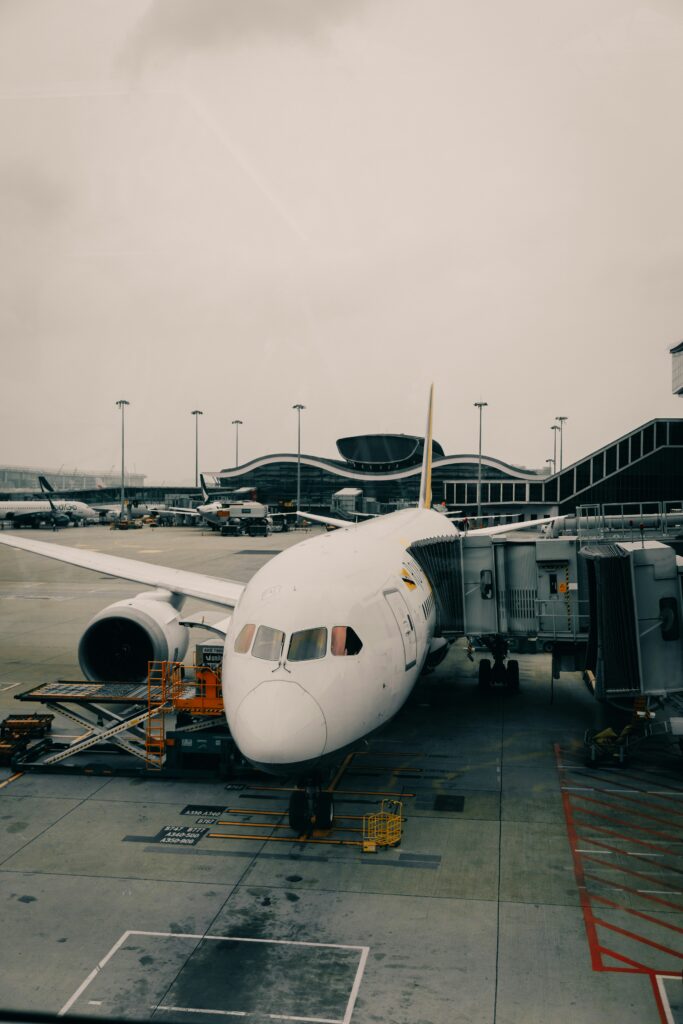
This rule may be less pronounced among Croatian guests, but balance of payments statistics suggest that Croatians are travelling abroad much more often than they ever did before. Aside from the fact that there are more long-distance and luxurious destinations now more available than they used to be, this is partly the result of the search for cheaper destinations in more recent years. Croats have generally been travelling more in recent years – both domestically and abroad. For example, last year domestic guests recorded an increase in the number of overnight stays in commercial tourist accommodation by 5.6% (to 9.2 million), with only Germans recording more overnight stays than this group.
At the same time, unlike foreign exchange income from tourism (which has only nominally recorded a slight increase in the last couple of years, which in real terms means a decline) outflows from travel/tourism abroad by Croats have been growing at double-digit rates for years. Admittedly, this also speaks to a significantly lower base, but the significantly faster pace of growth of these expenditures compared to income has resulted in a decrease in the positive balance of services related to tourism, i.e. travel.
Last year, foreign exchange income from tourism increased by less than 300 million, or less 2%, to 15.3 billion euros, while at the same time, outflows from Croatia on this basis increased by more than 400 million, or 17%, exceeding 2.8 billion euros. This is also as much as a billion euros more than two years ago, and if we look at the three-year period, Croats spent twice as much on foreign travel last year, i.e. by about 1.4 billion euros more than they did three years ago. In those three years, income from tourists from abroad nominally increased by 16%, or by slightly more than 2.2 billion.
croats are also exploring their own country more
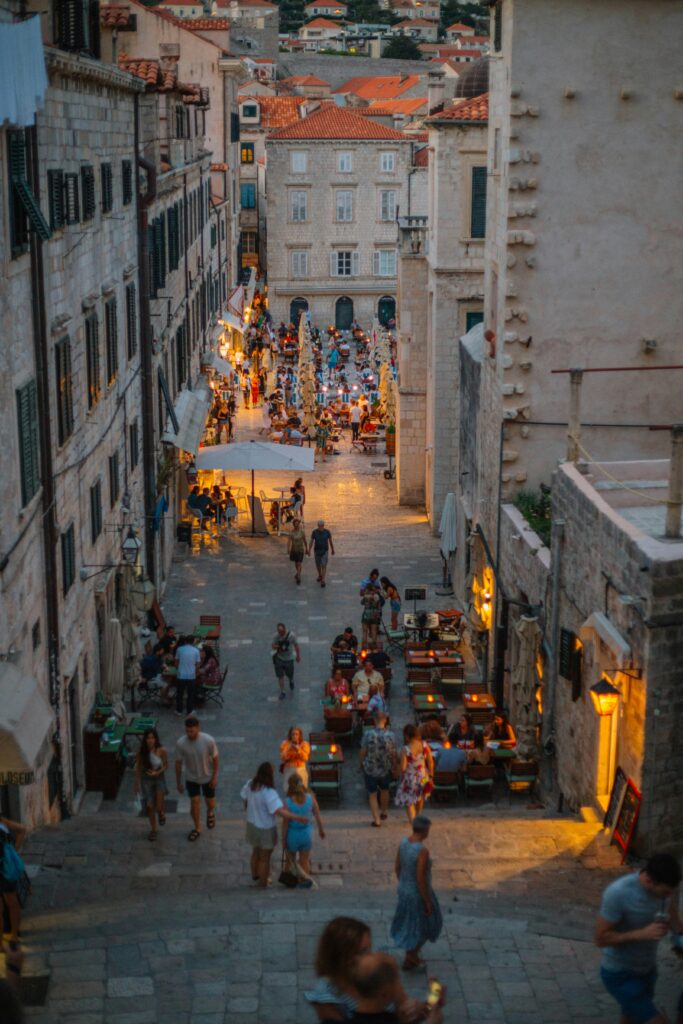
In the first three months of 2026, however, eVisitor data shows that out of a total of three million overnight stays realised in commercial and non-commercial facilities and nautical charters across Croatia, more than a million were achieved by guests from the domestic market. This only confirms just how important domestic tourism is. In order to encourage this, Croatia once introduced the Croatian Tourist Card, a kind of electronic voucher with debit card functionality for paying for services provided by providers of catering, accommodation or tourist services who accept payment by card, where additional discounts can be applied.
In connection with the so-called CRO card, and in order to encourage year-round tourism (especially continental tourism) tax-free payments have also been made available to cover the costs of catering and tourist services intended for employees’ holidays. Employers can now pay them up to 400 euros per year tax-free for this purpose. In 2025, these payments amounted to four million euros, and although this is half a million euros more than the year before, relatively few employers actually ever use this type of tax-free employee incentive – which speaks volumes.