May the 27th, 2026 – Dubrovnik is preparing for yet another pressure cooker summer as all attention turns to the Croatian tourism Mecca and its infamous overcrowding.
Summer is approaching and concerns about crowd control, cruise ship arrivals, infrastructure strain and overall quality of life in Dubrovnik are stirring ahead of what is expected to be another extremely busy tourism season. Despite years of genuinely commendable management efforts, Croatia’s southernmost city continues balancing global popularity with the realities of everyday urban life inside one of Europe’s most visited historic centres.
Few Croatian destinations attract as much international attention as Dubrovnik. The city’s incredibly well preserved medieval walls, Adriatic setting and global visibility, strengthened further by film and TV exposure, continue drawing enormous visitor numbers every year. Cruise tourism, short-term rentals and international flights have transformed Dubrovnik into a truly global destination, and that unbridled success has created mounting pressure.
cruise traffic remains a very sensitive issue
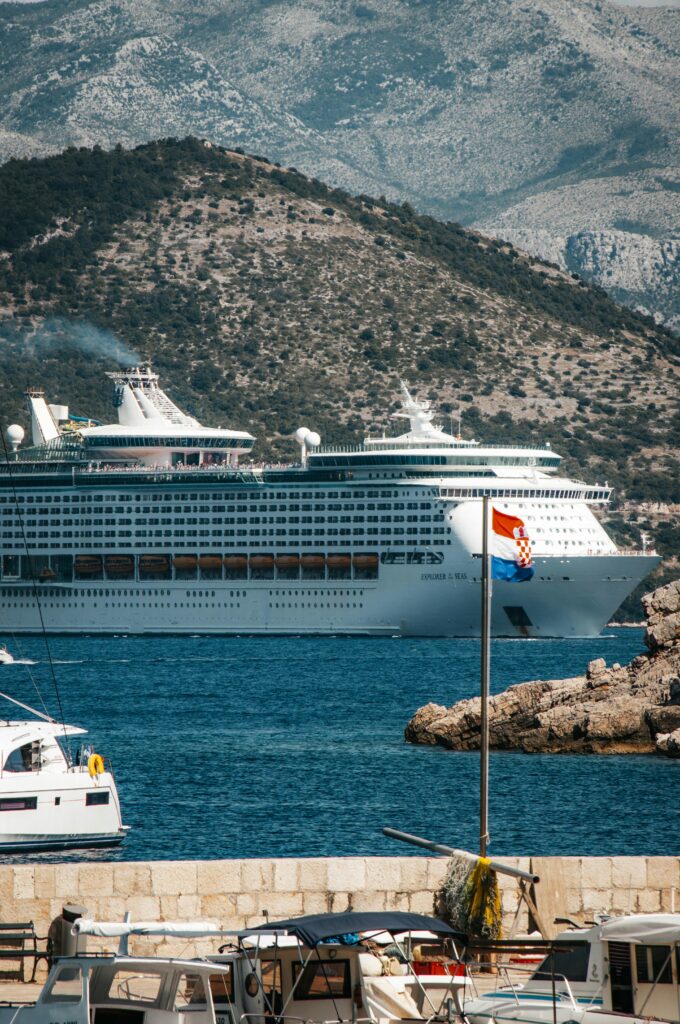
One of the biggest recurring debates surrounds cruise ships. During peak summer days, thousands of passengers can arrive within hours, creating sudden waves of congestion inside the UNESCO-protected Old Town. There is plenty of focus placed on crowd density, pedestrian flow and the impact large cruise arrivals actually have on both visitors and residents. Managing those flows has become one of the city’s defining tourism challenges.
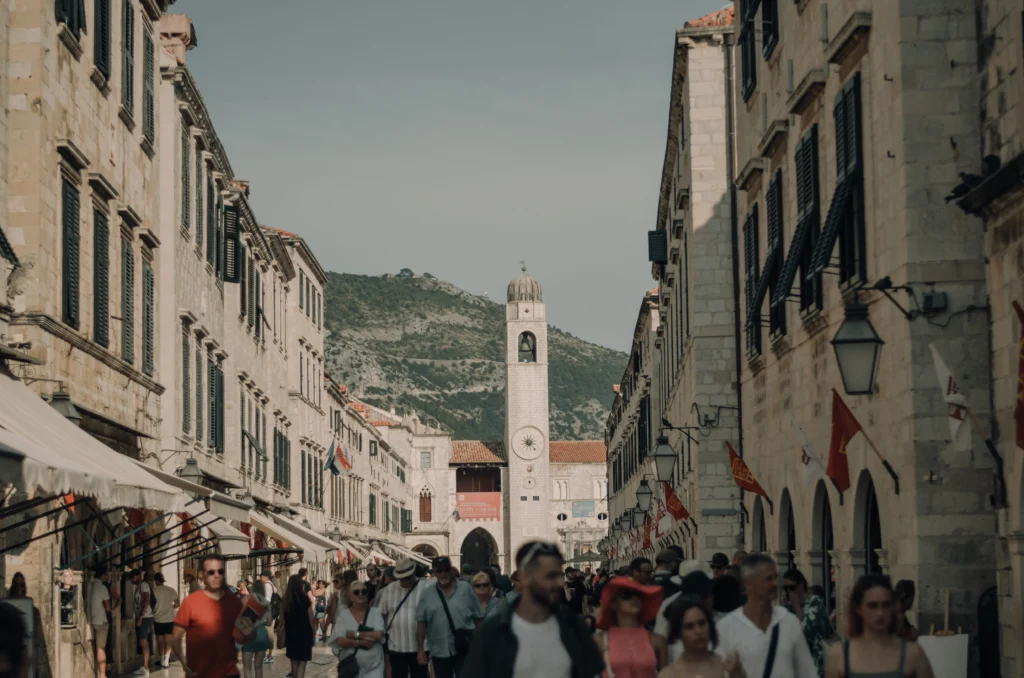
Dubrovnik’s historic centre was never designed for modern mass tourism volumes. The narrow stone streets, stairways and compact urban layout create a unique atmosphere, as well as particularly severe limitations once visitor numbers rise. During peak summer periods, movement through the Old Town can become extremely crowded, particularly near major landmarks and entrances. This affects everything from emergency access to everyday quality of life for residents.
housing issues and the depopulation of dubrovnik’s historic core
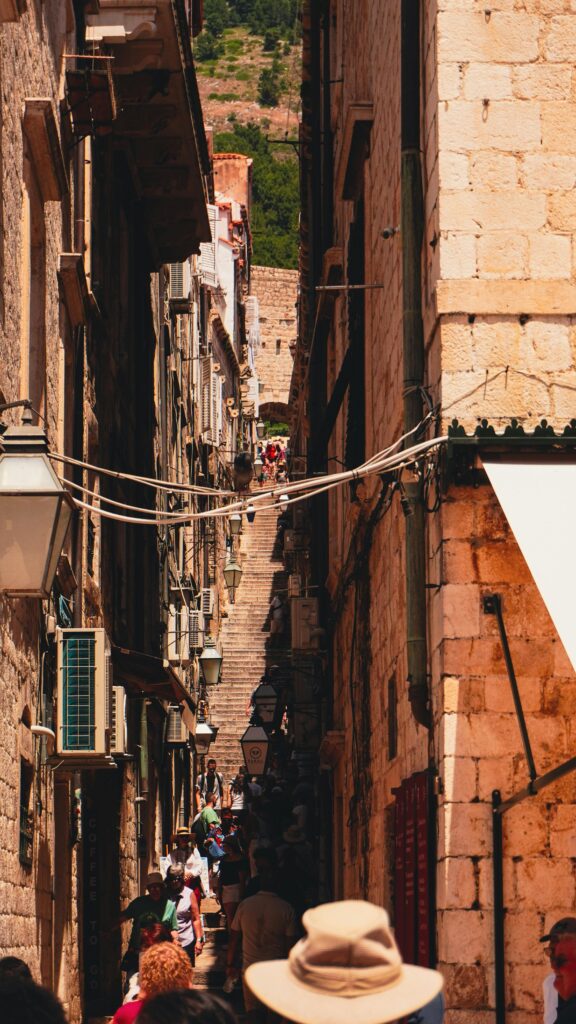
Due to all of the aforementioned, there has been a very unfortunate and marked decline in permanent residential life inside the city’s historic centre. As apartments shift toward tourism rentals and short-term accommodation, fewer long-term residents remain within parts of the Old Town. Critics argue that some areas increasingly function more like tourism zones than living neighbourhoods. This has intensified wider debates about sustainability and urban identity.
City authorities have spent years attempting to reduce tourism pressure through crowd management systems, cruise scheduling coordination and monitoring technology. Dubrovnik has frequently presented itself internationally as a city trying to address the issue of mass tourism proactively rather than ignore it. Measures aimed at limiting simultaneous visitor density have attracted attention from tourism experts across Europe.
tourism is dubrovnik’s only bread and butter
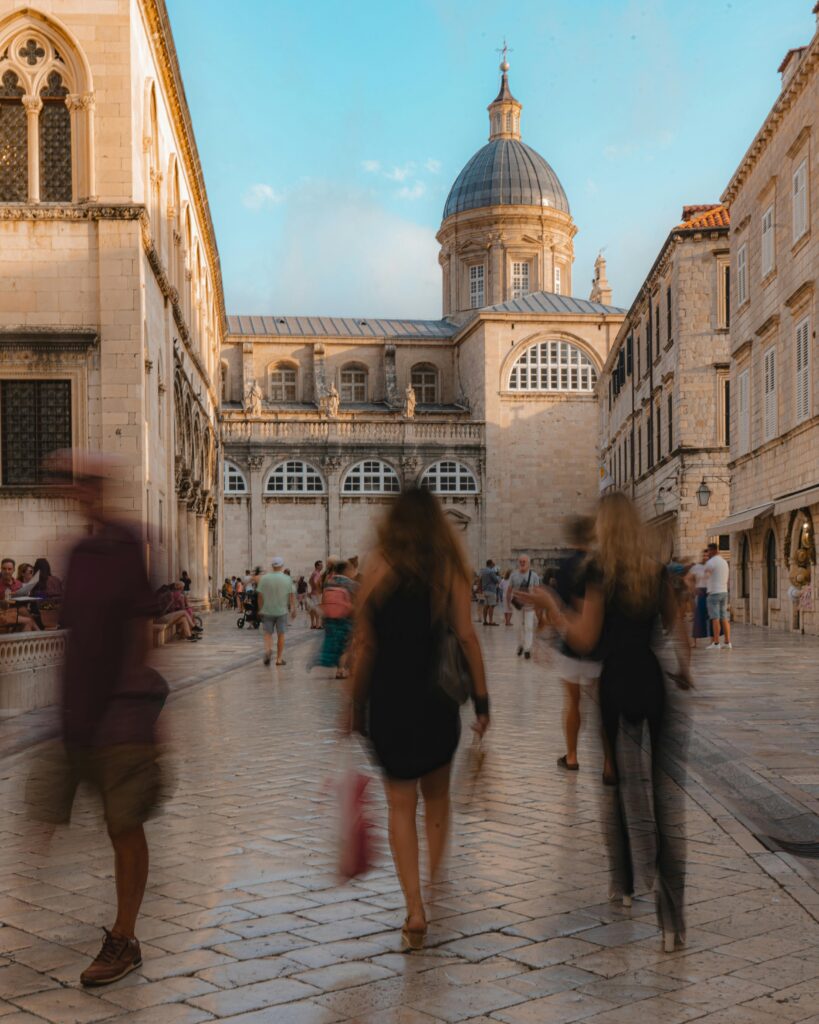
Tourism is not only central to Dubrovnik’s economy, it is so essential that it’s the only thing realistically propping it up. Hotels, restaurants, transport providers, guides and countless local businesses depend heavily on seasonal visitor spending. This creates a difficult balancing act for Dubrovnik which involves trying to reduce pressure without damaging economic activity. For many residents, tourism generates both opportunity and frustration simultaneously.
Outside of the imposing walls of the famous Old Town itself, infrastructure pressure affects the wider city during peak season. Road congestion, parking shortages and transport bottlenecks become major daily issues as visitor numbers rise. Dubrovnik is frequently framed not only as a tourism success story, but also as an example of infrastructure limits being tested by global demand.
Despite very valid mass tourism concerns, Dubrovnik’s international appeal shows little sign of weakening. The city continues appearing prominently in global travel rankings, cruise itineraries and Mediterranean tourism marketing. For many international visitors, Dubrovnik remains a “must-see” Adriatic destination, and so the pressure mounts and is highly unlikely to lessen soon.
dubrovnik is the poster child of a wider european challenge
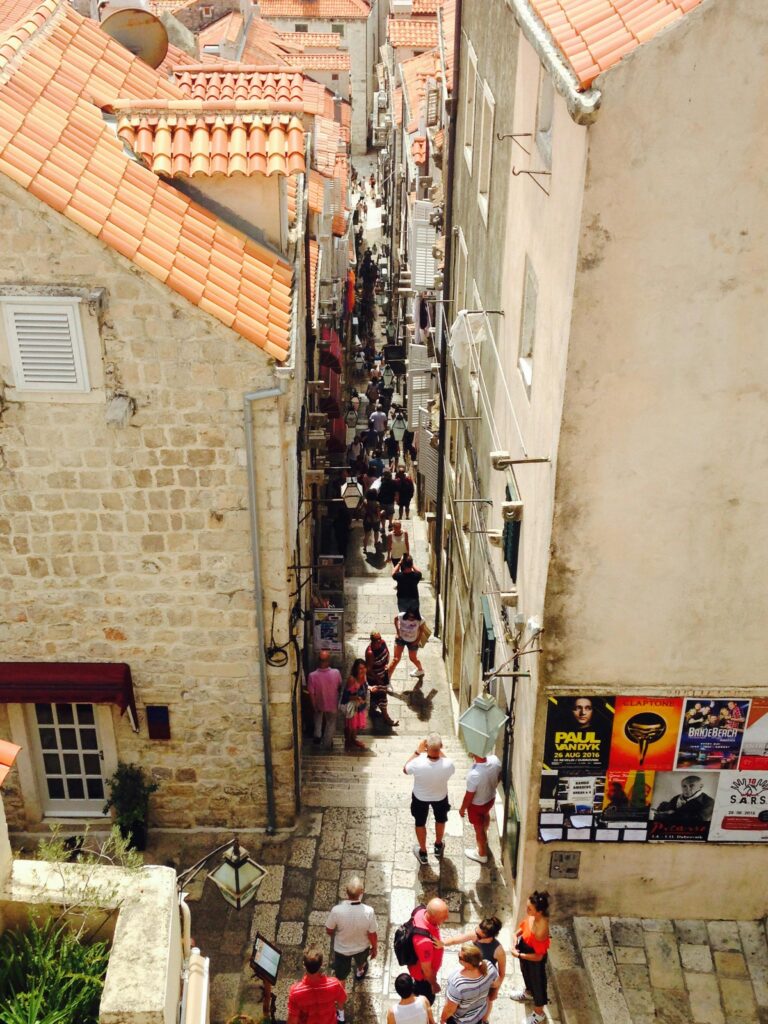
What is happening in Dubrovnik reflects broader trends involving serious pressure which are visible across famous tourism cities in southern Europe and beyond. Questions about balancing tourism growth, heritage preservation and residential quality of life are increasingly shaping urban policy discussions across the Mediterranean. Dubrovnik simply experiences those pressures in especially concentrated forms.
For now, Dubrovnik is once again preparing for another season of enormous international attention. The city remains one of Croatia’s greatest tourism success stories, but also one of its clearest examples of the pressures that success can create. As visitor numbers continue climbing, the challenge facing Dubrovnik is no longer how to attract tourists, it’s how to keep adapting and managing them without losing the city itself.