May the 27th, 2026 – The likes of busy, crowded Hvar have been bandied about for years now, but the truly quiet islands that dot the coastline are turning into Croatia’s new luxury tourism trend.
There’s been a very noticeable shift among higher-end travellers, and that’s a growing preference for smaller, quieter and less crowded islands away from the main tourism spotlight. As mass tourism pressures intensify across all of Croatia’s biggest destinations, exclusivity is increasingly being redefined not by glamour, but by isolation and privacy.
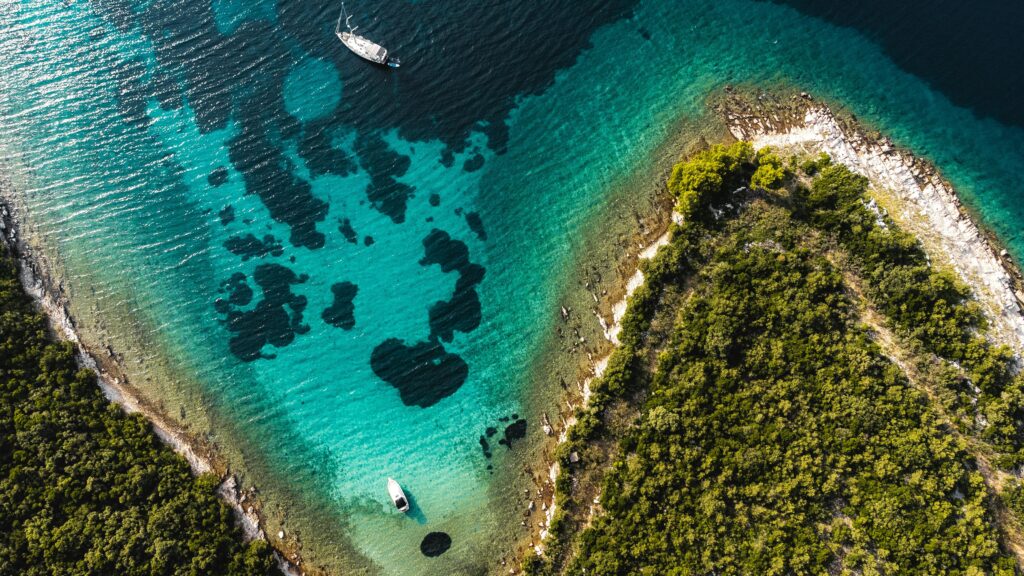
One of the biggest changes shaping high-end tourism globally is the desire for space. Wealthier travellers increasingly prioritise privacy, tranquillity and personalised experiences over crowded nightlife zones or highly commercialised destinations. This trend is becoming increasingly visible in Croatia. Instead of focusing only on famous Adriatic destinations, luxury visitors are now exploring smaller islands, hidden bays and much less developed coastal areas where tourism feels slower and more discreet, even if all the amenities aren’t at close hand.
quietness itself now comes with a price tag
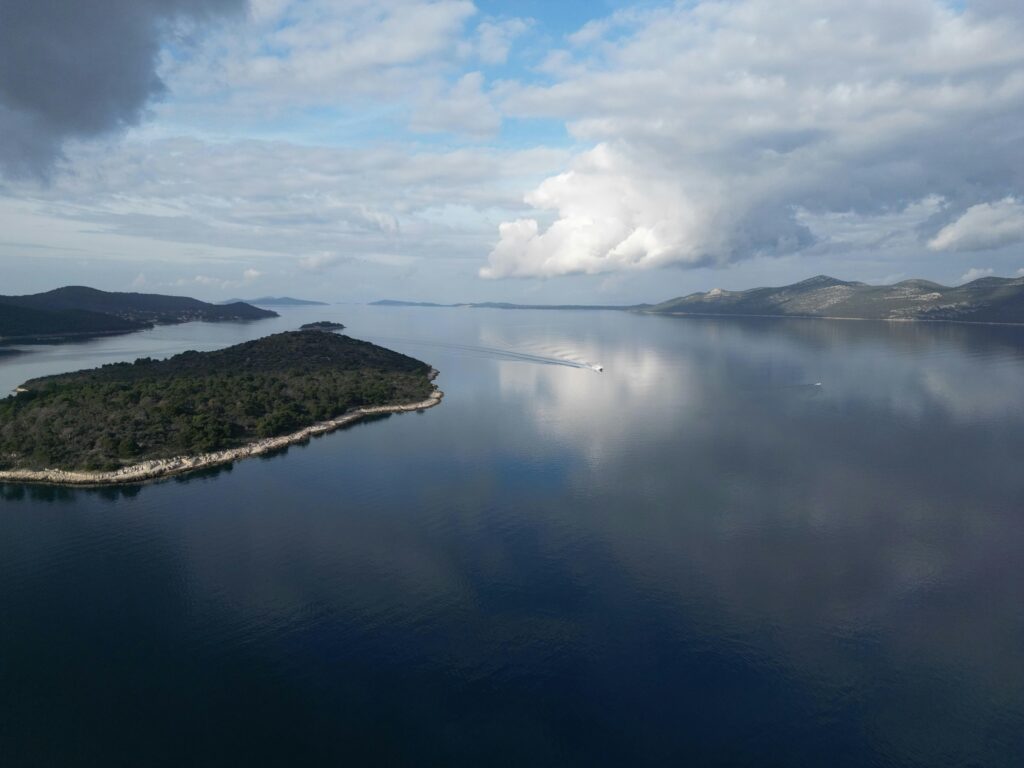
For endlessly popular Croatia, “peace and authenticity” are now major selling points. For many affluent visitors, the appeal lies precisely in destinations that remain relatively unknown internationally. Small, usually ancient stone villages, private coves, boutique accommodation and limited nightlife are increasingly viewed as advantages rather than limitations. In the modern luxury market, silence and seclusion are becoming premium experiences.
The trend is also partly a reaction to overcrowding in Croatia’s most famous destinations. Globally famous places such as Hvar and Dubrovnik remain enormously popular, but peak-season congestion, expensive nightlife and dense tourism traffic can reduce the sense of exclusivity some luxury travellers seek. As a result, quieter islands are increasingly attracting visitors who still want the Adriatic experience without the intensity of major tourism hubs.
Smaller islands are especially well positioned for boutique-style tourism development. Instead of large hotels and high-capacity infrastructure, many focus on villas, small luxury resorts, private boat access and curated local experiences. This aligns closely with broader luxury tourism trends favouring individuality over mass-market tourism models. For Croatia, this shift may become economically significant because higher-spending guests often seek precisely these lower-density environments.
nautical tourism, foreign buyers and a thirst for authenticity changed it all
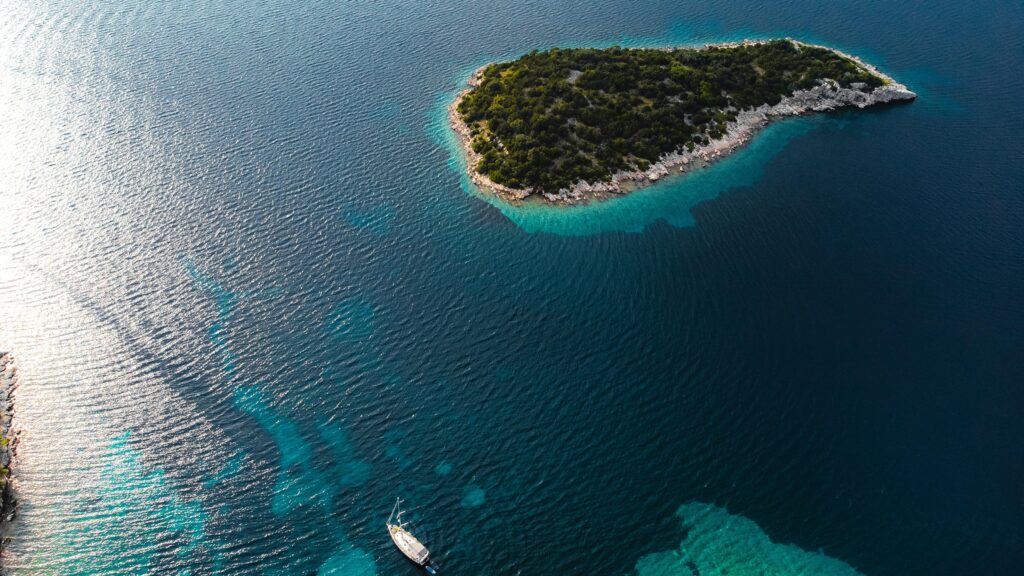
The growth of private charters and boat rentals is also helping drive the trend. Visitors no longer need major ferry infrastructure or large tourism centres to access smaller islands comfortably. Increasing numbers of travellers now move flexibly around the Adriatic by boat, allowing quieter islands to participate more directly in luxury tourism flows. Some smaller islands are also attracting increasing international property interest. Foreign buyers seeking second homes or restoration projects are helping reshape parts of the Adriatic real estate market, particularly in less commercialised island communities. There’s now plenty of discussion surrounding whether this represents revitalisation or gradual transformation away from traditional local life.
Interestingly, many travellers now associate luxury less with extravagance and more with authenticity. Traditional stone architecture, local food, slower rhythms and lower tourism density are increasingly marketed as premium experiences. Croatia’s quieter islands naturally fit this positioning without even trying.
ancient coastal infrastructure struggles to cope each summer
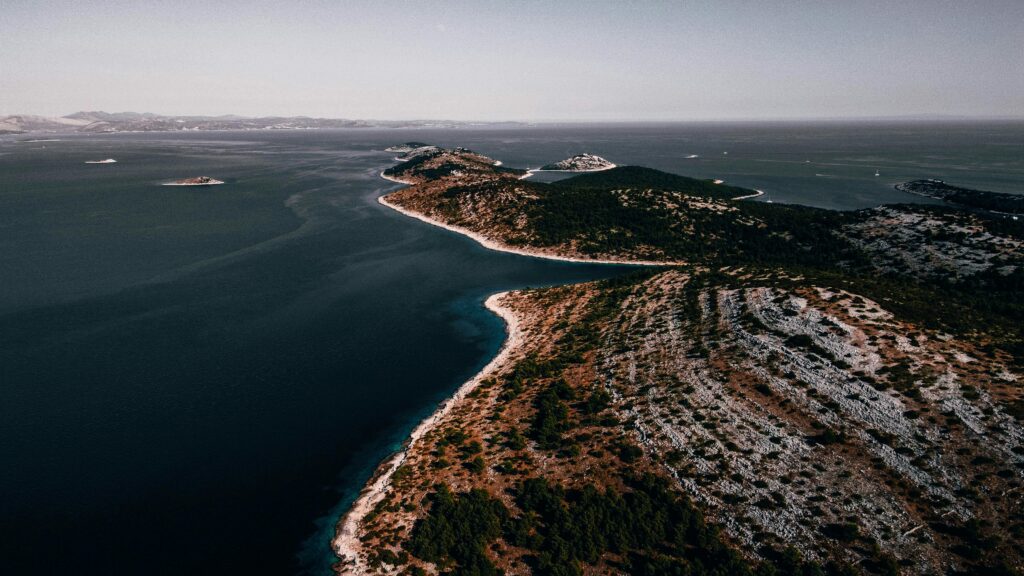
At the same time, many smaller islands face difficult questions about future development. Local communities must balance economic opportunity with concerns about over-development, environmental pressure and preserving island identity. Some old coastal destinations are actively trying to avoid repeating the high-density tourism patterns seen elsewhere on the Adriatic.
The shift suggests Croatia’s tourism brand is gradually maturing beyond its original “party coast” reputation. The country increasingly appeals not only to mass tourism markets, but also to travellers seeking slower, more exclusive Mediterranean experiences. It now seems that the most desirable Croatian locations may no longer be the loudest or most famous, they may simply be the quietest.