

October the 7th, 2026 – Tech-forward Americans with Croatian ancestry are claiming their Domovnica and EU passports not only to skip border lines and connect with their roots, but for better asset protection.
The USA is, as we know well, a massive melting pot. There are countless Americans who are entitled to a passport from another country from which their parents or grandparents emigrated. Naturally, the standard narrative surrounding dual citizenship has been romantic. US citizens are known for their love of tracking down their ancestral roots across Europe and the world. When those roots go back to somewhere like Croatia, the traditional reason for seeking closer ties has been to do with seeking a slower pace of life, buying a Mediterranean retirement villa, or harbouring a sentimental reconnection with the homeland of their ancestors.
A shift is occurring across the diaspora community, with a brand new (and decidedly modern) class of applicant is emerging, one driven not by nostalgia, but by geopolitical diversification, systemic asset isolation, and digital estate planning.
For tech-forward Americans such as software engineers, blockchain founders, digital asset managers, and remote technology executives, obtaining a Croatian Domovnica (Citizenship Certificate) and subsequent European Union passport is increasingly viewed as a sophisticated legal instrument. In an era where wealth is increasingly decentralized, digital, and global, holding an EU passport unlocks legal frameworks that allow Americans to shield their digital estates from the public, slow, and expensive mechanics of the UD probate system. Here is how modern asset protection, European civil law, and digital wealth intersect, and why tech-centric US citizens are utilising their Croatian heritage to secure their digital legacies.
digital asset vulnerability in american estate law
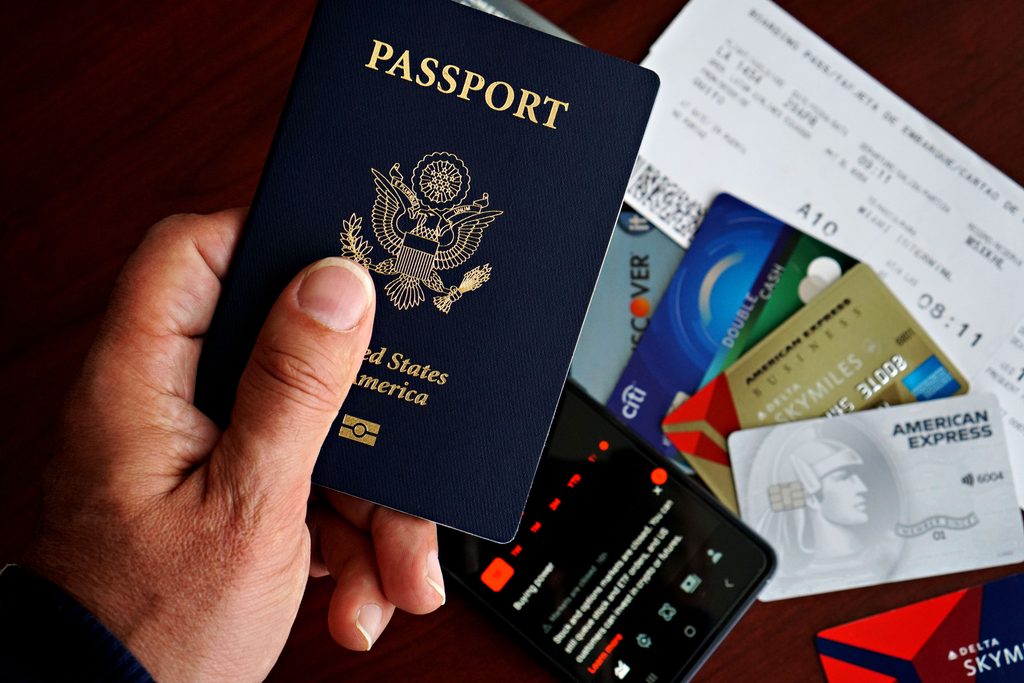
To understand precisely why a European Union passport is becoming a coveted asset protection tool, one must first look at the inherent flaws in how United States estate law handles digital wealth. Whether an individual owns a portfolio of cryptocurrency, decentralised finance (DeFi) liquidity tokens, valuable domain registries, intellectual property (IP) for a Software-as-a-Service (SaaS) platform, or monied digital media channels, the U.S. legal system treats these assets through a highly fragmented, state-by-state framework.
When a US citizen passes away, their estate generally enters probate. This court-supervised process identifies, validates, and distributes a deceased person’s assets. For traditional assets like real estate or local bank accounts, probate is tedious. For digital assets, it can be catastrophic for an array of reasons.
The first reason is known as the transparency paradox. American probate court proceedings are a matter of public record. For high-net-worth tech entrepreneurs or privacy-focused individuals, this means their entire digital asset portfolio, corporate structures, and valuations can become viewable by literally anyone, exposing heirs to security and privacy risks.
Then comes the dreaded custodian bureaucracy, a process where US-based digital custodians, domain registrars, and cloud services (from AWS to major financial exchanges) routinely freeze accounts instantly upon notification of a user’s death. Resolving these problematic freezes requires specific state-level court orders, a process that can take months or years, stalling active tech businesses or locking volatile crypto assets during erratic market swings.
Then come jurisdictional clashes where digital nomads or remote founders live across multiple states or hold international digital infrastructure. In these tricky cases, multiple state courts are free to claim jurisdiction, leading to astronomically high legal fees and an endless administrative gridlock that puts even Croatia’s love of red tape to shame.
an eu passport as a succession backdoor via “brussels IV”

This is where the legal architecture of the European Union changes the landscape completely. For an American who claims their Croatian citizenship by descent, they don’t just become a citizen of Croatia, they become a citizen of the European Union. This status grants them access to one of the most powerful cross-border estate planning tools available in the modern world, and that’s the EU Succession Regulation (known as Brussels IV).
Introduced to harmonise estate laws across the bloc, Brussels IV dictates that the law applicable to the succession of a person’s entire estate shall be the law of the country in which they have their “habitual residence” at the time of death. However, the regulation contains a critical provision: an EU can explicitly choose the law of their nationality to govern their global estate instead. For a bi-cultural Croatian-American who strategically aligns their digital operations, remote work, or residency within the EU, this framework provides an unparalleled level of flexibility that looks like this:
Traditional American route: public probate court – state-by-state gridlock – totally frozen digital assets
The EU passport route: Brussels IV opt-in – completely unified civil law – private, notarised transfer
By utilising an EU passport, an American tech entrepreneur can opt out of extremely fragmented US state probate systems for their EU and international digital holdings. Instead of relying on a local US judge who may not understand smart contracts or domain portfolios, estates such as these can be streamlined under a unified European Union civil law framework, executed very privately and discreetly through a notary system rather than a public courtroom with all eyes on it from who knows where.
strategic asset isolation through eu corporate structures
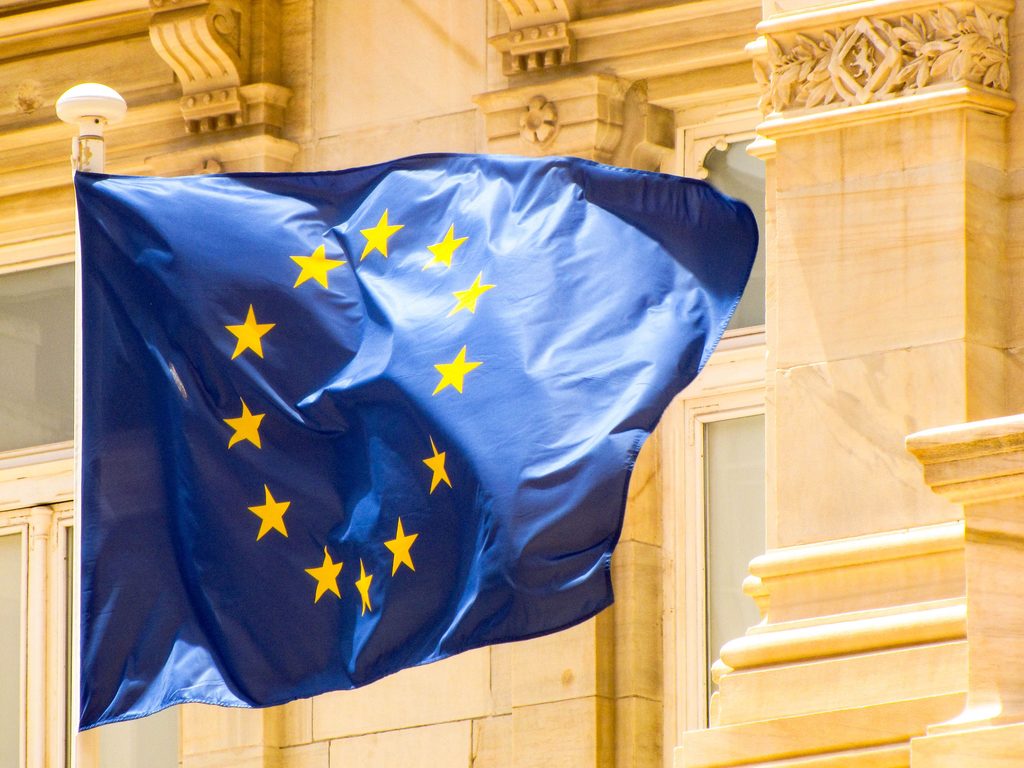
Securing Croatian is the foundational step that allows Americans to easily establish digital asset-holding companies within the European Union’s famed single market. While non-EU citizens can still technically open companies in the EU, they face severe administrative hurdles, complex compliance checks, and restricted access to local banking rails. A dual American-Croatian citizen, however, can establish a corporate entity (such as a Croatian d.o.o. or an Estonian OÜ via EU open market rules) as an EU citizen with no issues This capability unlocks three distinct operational advantages for digital wealth preservation.
The first and perhaps the most important to most is continuous operational liquidity. This means that if an entrepreneur’s digital assets, code repositories, or SaaS platforms are all held by an EU corporate entity owned by an EU citizen, the operational side of the asset doesn’t grind to a halt upon their passing. European Union corporate structures allow for the seamless, pre-programmed transition of directorial power. While the American side of an individual’s estate may be frozen instantly and for a long period of time in probate, the EU entity continues to operate freely, trade, and generate revenue uninterrupted.
The second is no less important, and that is a private, notarised estate settlement. Rather unlike the highly public theatre of American probate courts, many EU jurisdictions settle estates through civil law notaries. This process is entirely confidential, quick and highly contractual. For individuals prioritising so-called “stealth wealth,” holding Croatian and therefore EU citizenship allows for the unhindered transfer of corporate shares holding millions in digital property to occur entirely out of the public eye.
The third significant reason is hedging against troublesome American regulatory volatility. The current regulatory environment for digital assets and decentralised technologies across the pond in the United States remains very unpredictable. By establishing an elite legal foothold in the EU as an EU citizen, tech-forward Americans create an immediate, fully lawful alternative for their intellectual property and digital capital. If American regulatory overreach threatens a digital project or crypto fund, the infrastructure can be legally anchored to their EU identity without dirtying any waters.
domain registries, ip and code continuity

That might all sound like senseless words to those not involved with tech, but for software developers and digital creators, their wealth is often bound up in intellectual property. That can be GitHub repositories, private code bases, proprietary algorithms, and high-value domain portfolios. These assets are highly liquid but very legally fragile. If a tech founder passes away as a sole US citizen, the transfer of digital IP to their children can and regularly does become a legal nightmare. American tech platforms are globally notorious for their strict, unyielding terms of service regarding account transferability after death. That isn’t the case in the EU.
By holding dual citizenship, an individual can split their legal personality. They can vest the ownership of international domain registries and code copyrights into an EU-based structure tied to their EU identity. If the US legal system locks down local assets, the European Union side remains open and active, ensuring that the code keeps on running, the domains don’t expire, and the digital inheritance remains fully secure.
taking the “two passport” lifestyle trend beyond the basic

The concept of a second passport has been popularised but focuses entirely on travel freedom and tax optimisation. However, for the diaspora community with legitimate claims to Croatian citizenship by descent, the motivation is shifting toward structural permanence. Applying for a Domovnica through an expert team like Croatian By Descent is no longer seen solely as an administrative task to get a shorter line at EU airports. Instead, it’s treated as a foundational piece of a modern, international estate plan. The process of gathering historical records, verifying lineage, obtaining apostilles, and submitting an application package to a Croatian consulate is an investment in legal infrastructure. It provides a permanent, multi-generational safety valve that allows tech-forward families to operate across two distinct legal systems.
As the global economy becomes increasingly virtualised, the laws governing wealth preservation must evolve. The tech-forward diaspora has recognised that relying on a single passport and a single legal jurisdiction is a single point of failure for an asset portfolio built on code, crypto, and digital IP. Reclaiming Croatian citizenship by descent bridges the past and the future. It allows digital entrepreneurs to take the ancestral heritage of their parents or grandparents and convert it into a sophisticated, 21st-century shield for their digital wealth. By unlocking the unique cross-border legal benefits of the EU, these citizens ensure that their totally sovereign legacy (and their wealth) remains protected for generations to come.
how croatian by descent can help
Croatian by Descent is operated by members of the Croatian diaspora themselves. Instead of lawyers with no skin in the game looking at you with dollar signs flashing before their eyes, the experts who run this service know exactly what it means to seek and hold Croatian citizenship. Croatia’s roots are deep and often painful, and those seeking a passport have a multitude of reasons for doing so. Few understand this better than those who have gone through the process for themselves. Croatia is infamous for its love of paperwork and bureaucracy, and while this has improved markedly over the last decade or so, it will take a few generations before it all finally goes to the history books. Traversing the legal pathways entirely alone is not only daunting but often ends up hitting brick wall after brick wall. Croatian by Descent takes the wheel and helps you through the admin in order to sector your little blue passport, a concrete connection to your family history, and tech-forward security permanently.
Subscribe to our newsletter
the fields marked with * are requiredRelated posts:
 New Croatian Residence Programme Simplifies Citizenship by Descent for Diaspora
 From Family Stories to Croatian Passports: How Malkovich Inspires the Croatian Diaspora
 How the World Cup is Driving More Interest in Obtaining Croatian Citizenship
 From Times Square to the Adriatic: Why New US-Croatia Relations Mean It’s Time to Get Your Passport