
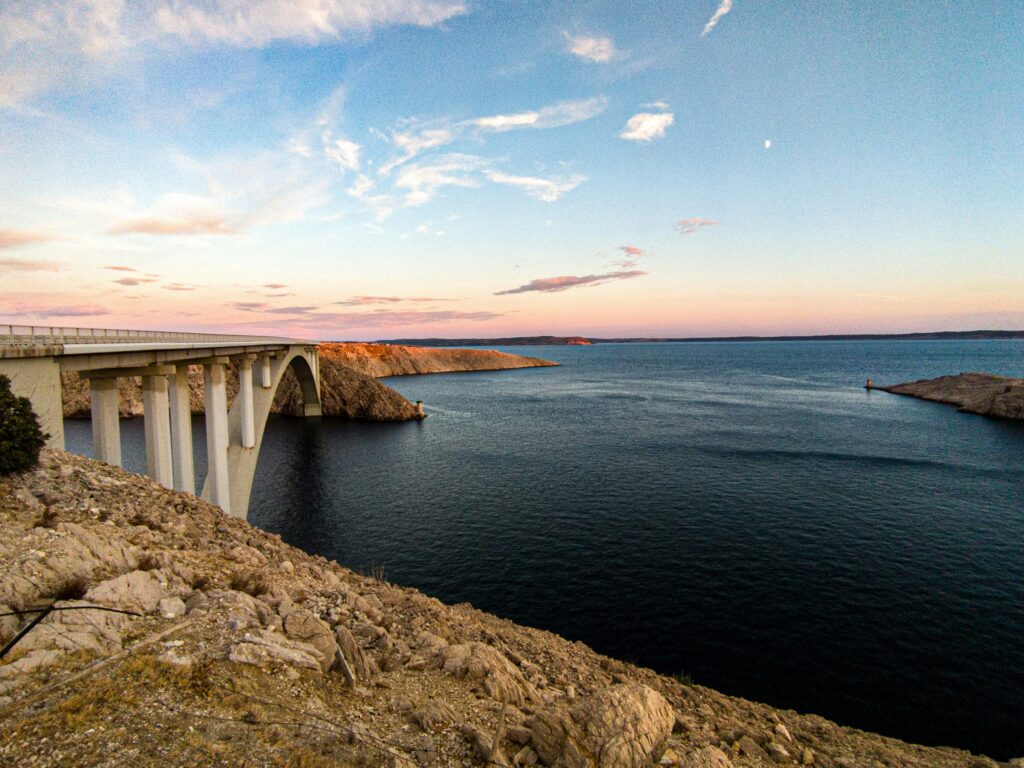
August the 10th, 2026 – Several major Croatian projects involving a new bridge on Krk, a 14 kilometre tunnel and a railway line to host high speed trains are underway.
By the end of 2029, the reconstruction of the 44-kilometre railway line from Karlovac to Zagreb should be completed. Snjezana Bicak/Poslovni reports that if you want to go from Rijeka to Istria, you will come across a major construction site; there are more and more excavators and tall cranes as you approach the Učka tunnel or exit it, all so that already next year we will have a full-profile motorway and a more comfortable and pleasant drive to the peninsula and along the entire Istrian Y.
You will also encounter works if you travel through Slavonia, especially around Požega. If you fly with Croatia Airlines, its pilots will bring you to your destination in new aircraft. And if you travel by train from Karlovac to Zagreb, for the next four years you will also watch the works from the train, given that, finally, four years after the first tender was announced, construction of the second track on the Hrvatski Leskovac – Karlovac line has begun these days. Thanks to this, passengers from, for example, Karlovac to Zagreb should reach their destination by train in about 20 minutes.
karlovac is going up in the world…
Karlovac Mayor Damir Mandić has said several times so far that this is a big thing for the development of Karlovac, given that a large number of Karlovac residents work in Zagreb, children go to the metropolis to study, and a number of business activities are linked to Zagreb, writes Večernji list.
Karlovac thereby becomes an even more desirable place to live – outside the hustle and bustle of the big city, yet only about 20 minutes away by train, and the same after the construction of the third lane of the motorway connecting the two cities, which is also planned.
Karlovac will truly become a suburb of Zagreb with an excellent transport connection to it, but also to the rest of Croatia, especially towards the Adriatic, which makes it even more attractive for business investments that lead to the opening of new jobs, and then also for living and the arrival of new families.
The start of construction of the lowland railway, at least on this part of the corridor, delights everyone it concerns. This is no small investment; the contractor, the Spanish company Comsa S.A., which signed a contract with HŽ Infrastructure in July for the execution of the project, will reconstruct the existing track, build the second track, carry out the electrification of 44 kilometres of railway, build new bridges, viaducts and power facilities, arrange stations and stops, and construct five facilities for the needs of HŽ Infrastructure in Karlovac. After the works are completed, train speeds of up to 160 km/h are planned. The value is not negligible either: it amounts to 348.5 million euros including VAT, and the deadline for completion of the works is 36 months, i.e. by the end of 2029.
The Hrvatski Leskovac – Karlovac section is only part of the entire lowland railway project that will connect Zagreb and Rijeka on a section 56 kilometres shorter than the current railway connecting the two cities, and the procedures for contracting works on certain sections are underway. The project is complex; the new double-track and fully electrified railway is designed for speeds of up to 160 km/h for passenger trains and 120 km/h for freight trains.
With a total length of about 175 kilometres – 56 kilometres shorter than the existing line – this will drastically reduce travel time. The biggest challenge on the section after Karlovac is overcoming the demanding mountainous terrain, which is why the construction of more than 30 viaducts and tunnels is planned.
a brand new tunnel through velika kapela
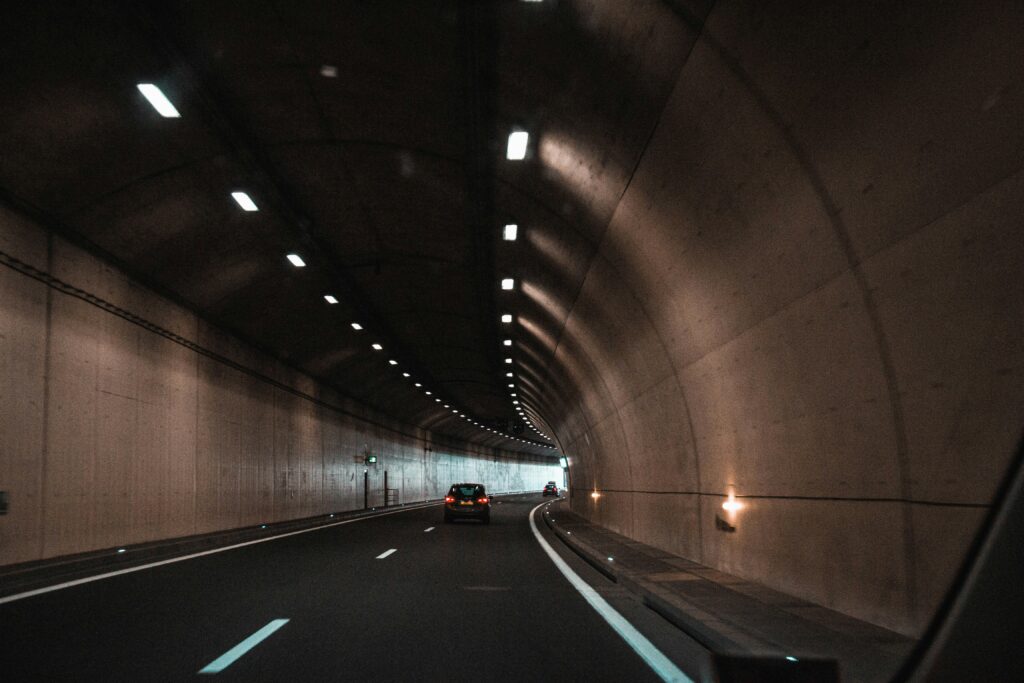
The star of the project is the future tunnel through the Velika Kapela massif, 14 kilometres long, which will become the longest in Croatia. For comparison, the Sveti Rok and Mala Kapela tunnels together are a little less than 12 kilometres long. The route also provides for the construction of five new stations and one stop. All of this should be completed by 2036. From just these few points it’s very clear that Croatia is in a major infrastructure boom that has been going on for some time and will last at least another ten years, which is the period planned for the construction of the entire lowland railway corridor that will connect the largest port of Rijeka with the Hungarian border.
“Croatia is currently implementing one of the largest investment cycles in its existence in transport infrastructure, which covers all types of transport, as well as the development of public urban transport and new forms of mobility. Through European sources of financing within the financial periods 2014–2020 and 2021–2027, projects with a total value of around 5.57 billion euros have been contracted and are being implemented in transport infrastructure, of which around 3.45 billion euros relates to non-refundable EU funds.
The stated amount refers exclusively to projects implemented with the support of European funds and financing instruments, through the Operational Programme Competitiveness and Cohesion, the Competitiveness and Cohesion Programme 2021–2027, the National Recovery and Resilience Plan and the Connecting Europe Facility (CEF). The largest part of these investments is directed towards the modernisation of railway infrastructure, followed by the road sector, maritime transport and public urban transport,” the Ministry of the Sea, Transport and Infrastructure told us.
They add that, in parallel with the already contracted projects financed with the support of European funds, the Government is implementing a broader investment cycle of modernisation of the transport system that includes EU funds, the state budget, loans and other sources of financing.
more railway and train projects are in the works

The railway sector stands out in particular, where investments in railway infrastructure worth more than 1.7 billion euros are underway, while an investment cycle worth around 6 billion euros is planned over the decade to come.
This is the total value of planned investments in the modernisation and renewal of the railway network, which will be financed by a combination of different sources, including EU funds. The goal of the investments is to increase the safety, capacity and quality of railway transport and to strengthen Croatia’s connectivity with European transport corridors, the competent ministry adds.
Minister Oleg Butković said that never before has so much been invested in local and regional railways as now, thanks to part of the loan from the European Investment Bank that the Croatian Government secured. He emphasises that Croatian Motorways invest around 50 million euros annually in investment maintenance of motorways, along with investments in the development and modernisation of the motorway network and the introduction of a new electronic toll collection system.
Croatian Roads, for example, have invested around 1.6 billion euros over the past ten years in the construction of new and the reconstruction of existing state roads, while a series of projects with a total value of more than 1.2 billion euros is currently in preparation and implementation.
port infrastructure investments
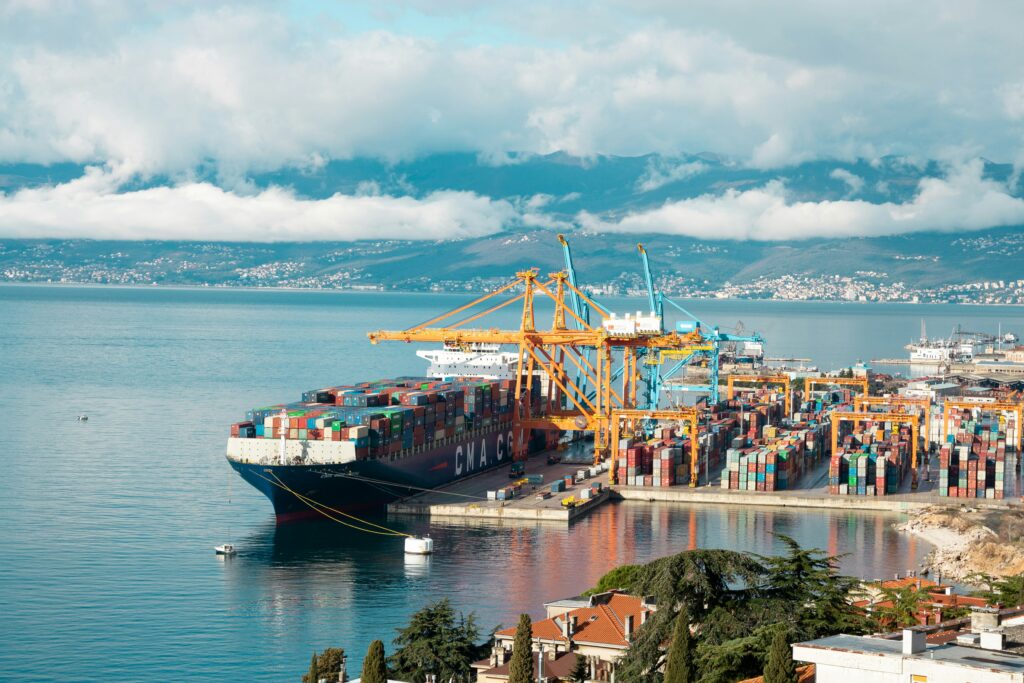
“We also have a major investment cycle in port infrastructure worth more than 500 million euros, the largest part of which is financed with EU funds. From the Ministry’s budget alone last year, 14.7 million euros was allocated for port infrastructure and the rehabilitation of maritime domain in general use, and a total of more than 118.4 million euros during the terms of this Government. Investments in inland navigation are aimed at increasing navigation safety, improving the navigability of rivers and developing port and berth infrastructure. In the period 2014–2027, more than 200 million euros was invested in inland waterway projects through European funds and other sources of financing, with the largest part of the investments relating to the development of infrastructure on the Danube River and in the Port of Osijek,” the Ministry of Maritime Affairs, Transport and Infrastructure adds.
roads and expressways
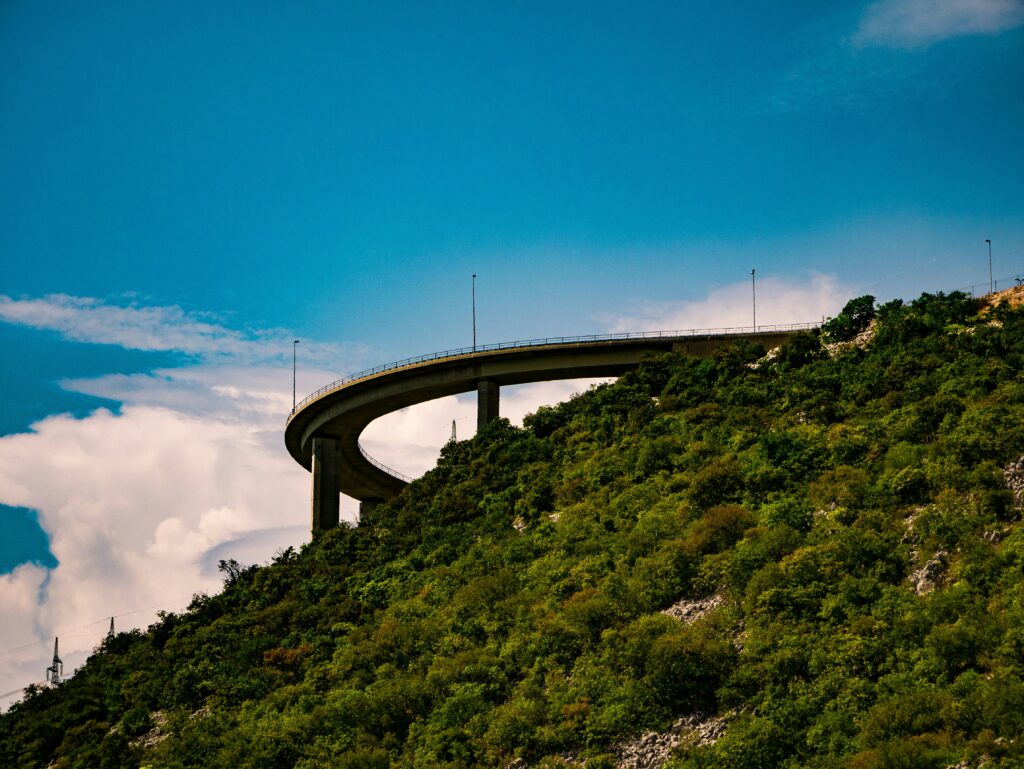
When it comes to investments in road transport, among the most important projects currently underway is certainly the completion of the construction of the Istrian Y in full profile, including the section from the Učka tunnel to Matulji, with a total value of around 200 million euros.
A network of expressways is also being built across Croatia, among which the most important is the Podravina Y (from Vrbovec – Bjelovar – Virovitica – the border with Hungary), then the Varaždin – Krapina expressway, the Požega expressway with an exit to the A3 motorway, the Solin – Stobreč – Dugi Rat – Omiš expressway, the Nuštar – Vukovar expressway, the Okučani – Stara Gradiška expressway, and the Zlatar Bistrica – Marija Bistrica expressway as part of the Zagreb Ring.
New bypasses are also being built across Croatia: Fužine, Nedelišće, Pušćine, Orebić, Drniš, Zaprešić, Čakovec and other towns, and reconstructions of state roads are underway: the new entrance to Split, the Sisak junction – Sisak, Donja Zdenčina – the bridge on the Kupa, Veli Vrh – Pula, the narrower city ring of Karlovac, the Širina intersection. The introduction of a new toll collection system is underway, and the Križišće – Selce section on the A7 motorway is being built, while the procedure for signing a contract with the consortium of bidders is underway for the Jadranovo – Selce subsection.
A contract has been signed with the contractor for the Križišće – Jadranovo subsection, the first phase of the Selce – Novi Vinodolski section is being built, and project documentation is being prepared for the Novi Vinodolski – Senj and Senj – Žuta Lokva sections. The Rudine – Osojnik section on the A1 motorway is being built, and additional lanes are being added on the Zagreb – Karlovac section of the A1 motorway and the Zagreb West – Lučko section of the A3 motorway. These last two projects in particular will significantly contribute to reducing congestion, especially in the summer months.
For decades, for example, investment in connecting Požega to the A3 motorway was awaited. Požega-Slavonia County Prefect Antonija Jozić said at the signing of the contract with the contractors that the construction of the expressway and the Požega junction will be of decisive importance for the transport accessibility and economic development of Požega-Slavonia County.
“For many years there was talk of a project that is now being realised. Our county will no longer be the appendix of Croatia; we are becoming more accessible by transport, and what we are most looking forward to is that these projects will be a strong driver of the economy,” Jozić said.
Brod-Posavina County Prefect Danijel Marušić emphasised that this project is proof of cooperation and common interests of neighbouring counties. “In my municipality, along this road, economic zones are already slowly being prepared; of course there will be greater circulation of both people and goods, and it is truly a completely different perspective,” Marušić said.
modernisation of the railway system
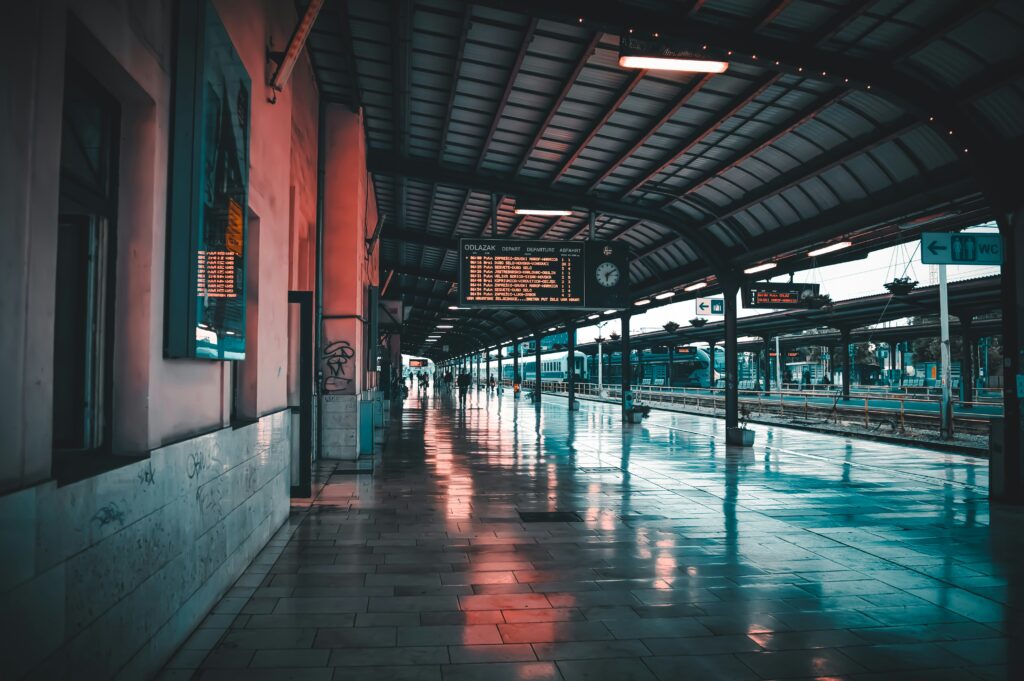
In addition to roads, the Croatian Government is also investing in the modernisation of the railway system through the renewal of infrastructure and rolling stock.
“In the recent period, the procurement of new trains for HŽ Passenger Transport has been realised, and 70 new low-floor trains are in operation: 55 electric multiple units, 13 diesel multiple units, and one electro-battery and one battery train each. The total value of the procurement amounts to 363.4 million euros,” the Ministry adds.
And they are not stopping there, because a new procurement has already been contracted. Specifically, 6 electro-diesel trains for the Zagreb – Split route, worth 57.3 million euros, which will be put into service this year; then 5 electro-diesel, 4 electro-battery and 4 battery trains with two charging stations, worth €117.9 million, with delivery during 2027 and 2028. There are also 6 electro-battery trains and a hybrid charging station in Kotoriba, worth 53.6 million euros, with delivery during 2028 and 2029. Additionally, by the first quarter of 2029, 228.8 million euros will be invested in the procurement of an additional 25 trains, the competent authorities note.
Preparation is also underway for potential financing of the procurement of an additional 30 new trains from the Social Climate Fund. The new trains will run on more modern tracks, given that major investments in railway infrastructure are also underway.
Specifically, the reconstruction and construction of the second track on the Dugo Selo – Novska line is underway, a project worth around 900 million euros; the modernisation of the Dugo Selo – Križevci and Križevci – Koprivnica – state border with Hungary sections is being completed; and, as mentioned, the modernisation of the Hrvatski Leskovac – Karlovac section worth 280 million euros has begun.
Numerous projects for the renewal of local, regional and international lines are also underway, including the Pitomača – Kloštar, Generalski Stol – Oštarije, Ogulin – Moravice, Karlovac – Ozalj, Knin – Zadar, Osijek – Koška and other sections.
that isn’t all…
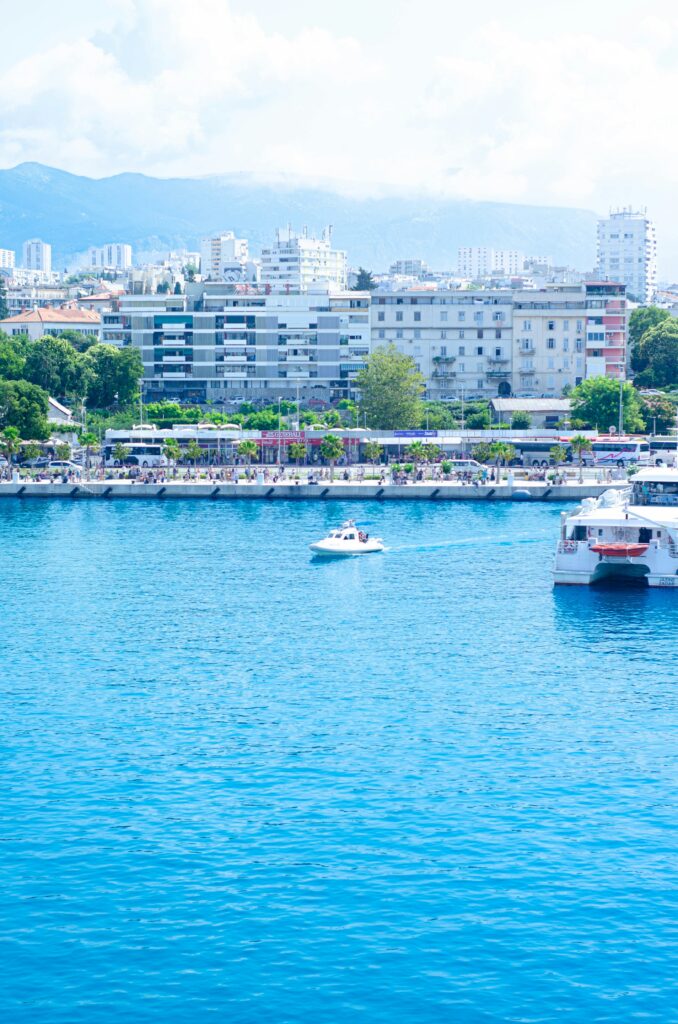
“When it comes to investment in port infrastructure, in the previous period 25 projects were contracted through which 14 ports were built or reconstructed, including the ports of Tkon, Crikvenica, Cres, Unije, Sućuraj, Korčula, Baška, Žigljen, Zadar, Split, Stinica, Vela Luka and others. In the new financial period, investment in port infrastructure continues through projects with a total value of 267.64 million euros. These include projects for the reconstruction and expansion of the ports of Novi Vinodolski, Rovinj, Murter, Krk, Rab, Prvić Šepurine, Perna, Prigradica, Split, Kaštela, Vrsi, Ika and others,” the Ministry of Maritime Affairs revealed.
Among the more important projects related to inland navigation, the completion and development of the bulk cargo terminal in the Port of Osijek, the arrangement and improvement of the waterway of the Danube River, and the construction and development of port infrastructure for inland freight transport stand out. The leaders of Slavonian cities and counties are particularly looking forward to these projects, given that they will contribute to the development of economic activities across Slavonia.
Minister Oleg Butković also said that the goal of these significant investments is to increase the share of river transport in total freight traffic, connect Croatian ports with European transport corridors and further relieve road traffic.