
November the 21st, 2026 – Scientists are issuing stark warnings about mega farms, yet 24 of them are still being planned in Croatia.
A new scientific report by the European Commission (EC) is warning that huge quantities of animal manure from industrial livestock farming are seriously endangering European waters. Because of this, the association Friends of Animals (Prijatelji životinja) is calling for a halt to the planned mega-farms in Croatia. Index writes that the report comes from the Joint Research Centre of the European Commission in 2026 and analyses the impact of livestock farming on water, soil and air. Scientists are now warning that the consequences of pollution can last for very many years.
nitrates from manure infiltrate the water
According to the report, large quantities of animal manure can lead to the pollution of groundwater and surface water with nitrates. In areas with intensive livestock farming, manure production sometimes exceeds the amounts that can be safely utilised.
Scientists warn that the existing limit value of 50 milligrams of nitrates per litre of water is not sufficient to protect aquatic ecosystems. Pollution can persist for years even after nitrate levels are reduced. Due to a possible increased risk of colorectal cancer, an international group of experts in Denmark has recommended lowering the permitted concentration of nitrates in drinking water from 50 to 6 milligrams per litre. The report also warns of phosphorus accumulation in the soil and ammonia emissions into the air. Ammonia pollution contributes to the formation of fine particulate matter, which increases the risk of respiratory and cardiovascular diseases.
24 mega farms are still being planned across croatia
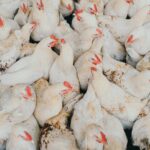
Friends of Animals warn that two foreign investors have planned more than 20 large farms and slaughterhouses in four Croatian counties, with a total capacity of more than 200 million chickens per year. According to earlier data from environmental associations, there are 24 projects in total, of which 12 were stopped after public opposition. Some of the remaining projects have not yet been halted, and certain investors are announcing they will continue with their plans. They particularly highlight the Veliki Pažut farm, located within the UNESCO Mura-Drava-Danube Biosphere Reserve. The farm has begun trial operations, with a planned capacity of around 1.8 million chickens per year.
Residents of nearby settlements have already complained about unpleasant odours, damage to roads and houses, and the dumping of manure in the protected landscape of the Mura River. Associations are calling for the farm’s operations to be suspended and for the operating permit to be refused.
Friends of Animals claim that the environmental impact studies do not explain with sufficient precision how the investors will manage the large quantities of manure and wastewater, or at which locations this waste will be disposed of. They warn that waste management is often left to unspecified third parties and that no comprehensive assessment of the cumulative impact of all the planned farms and slaughterhouses on the environment and the local population has been carried out.
risks to public health
“The latest warning from European scientists confirms what citizens and associations have been pointing out for years: mega-farms generate huge amounts of waste and put a burden on water, soil and air that local ecosystems cannot bear, which also means risks to public health,” say Friends of Animals. The association believes there is still time to prevent the issuing of an operating permit for the Veliki Pažut farm. They emphasise that the other planned mega-farms and slaughterhouses have not yet been built and are calling for a response from the competent institutions. “We will not allow the resources that belong to all of us and to future generations to be permanently destroyed for the profit of a few investors,” Friends of Animals state, calling for new projects to be stopped.
scientists list recommendations, but will croatia follow them?
In the report, the Joint Research Centre of the European Commission notes that European rules on nitrates have reduced water pollution, but that the problem still exists in areas with a high concentration of livestock farms. Scientists recommend better manure management, a reduction in excess nitrogen, and more sustainable agricultural practices. They state that harmful impacts can be reduced in this way without a significant drop in agricultural yields.