March the 8th, 2026 – The sprawling Zadar archipelago is home to many island gems, but few venture to this one. With no shop, no cafe and about 50 residents only, Sestrunj is a portal back into another time.
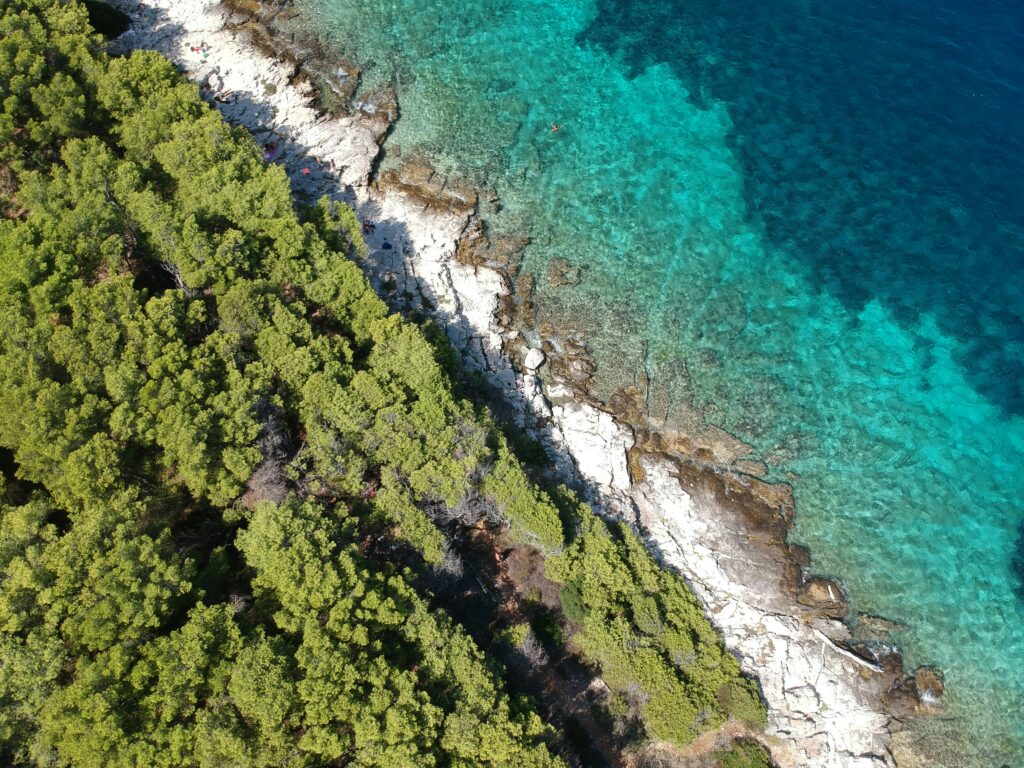
As Putni kofer/Ivana Vasarevic writes, rising up out of the crystalline Adriatic like a weird mountain, the island of Sestrunj is one of those unsung places that take your breath away at first sight. This hidden gem in Zadar County may be tiny, but 80 percent of its surface area, which spans 15.12 square kilometres, is covered in dense, untouched forests.
Combined with the deep, endless blue of the sea, it’s a natural oasis and arguably the best-kept secret of the entire Zadar archipelago. The only settlement, also simply called Sestrunj, is situated on a hill from which there is a gorgeous panoramic view of the neighbouring islands. Its old stone houses, built in a typically Dalmatian style, proudly preserve the spirit of bygone times.
sestrunj – the island that modernity left behind
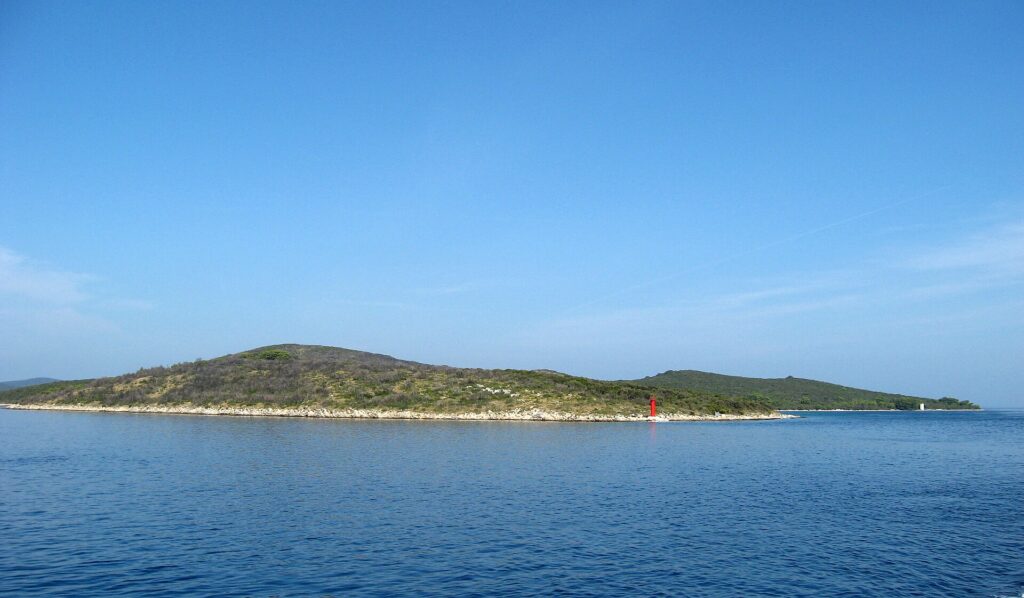
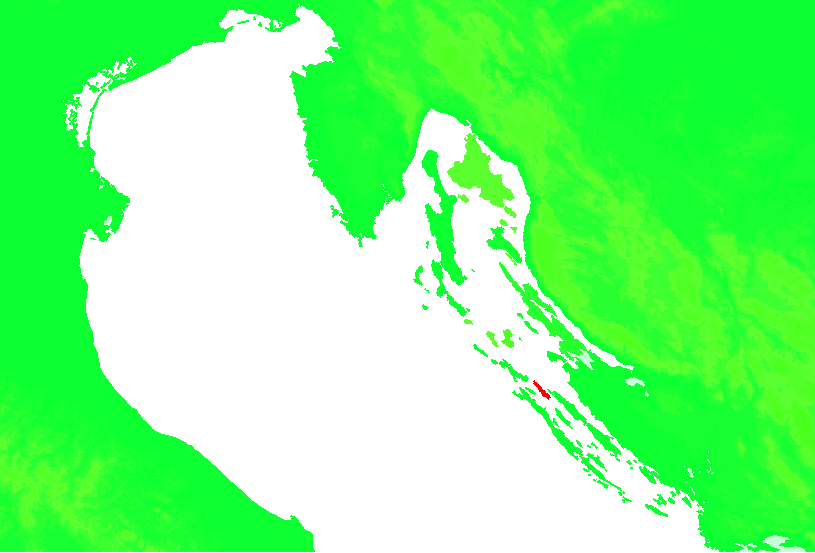
With no shop and no cafe to gather in and spend hours sipping one tiny cup of coffee, peaceful Sestrunj is an island with a rapidly dwindling population. It has only 48 permanent inhabitants, and it is only 15 kilometres as the crow flies from the far larger Zadar on the mainland. It is surrounded by three channels: Sestrunjski to the southeast, Rivanjski to the northwest and Srednji to the south, which greatly contributes to its isolation and untouched nature.
Much like the majority of Croatia, Sestrunj’s rugged coastline is heavily indented. This is particularly the case in the southeast, where the coves of Kablin, Hrvatinj, Muline and Triluke are located, each with its own specific atmosphere. The port in Kablin connects it to the mainland by boat and ferry lines, and there is also an oil mill there, which testifies to the rich tradition of the island’s olive growing.
If peace and direct contact with nature is what your soul craves, then the cove of Hrvatinj (don’t worry, we don’t expect you to be able to pronounce it) will completely win you over. It’s surrounded by dense Mediterranean pine and towering cypress trees, and since 2018 it has been the home of a very unique mosaic bench. It bears the signature of the artist Božica Kliman and is made of recycled materials. It is adorned with various motifs closely related to the rich and very long history of this most unusual island, its cultural heritage and fishing identity.
inhabited since the 10th century, where there more people than there are today
Sestrunj was inhabited by the Liburnians as early as the 10th century BC, as evidenced today by the remains of burial mounds and dry-stone fortifications on Gračina and Gračinica. Later on, the ancient Romans arrived, and in the Middle Ages the island belonged to the Zadar commune. This meant that various noble families had a certain influence on its entire economic and legal administration.
In 1904, the locals of Sestrunj finally fought for their independence, purchasing the island back from the Borelli family. In addition to maritime heritage and particularly fishing, one of the most important economic sectors on the island was quarrying. This was particularly true during the Venetian rule, which lasted from the 15th to the 18th century. The production of bricks and roof tiles flourished during the period.
no natural water sources exist on sestrunj
Despite its tiny area and low population, the only settlement on the island does have two small churches: St. Peter and Paul from the 16th century and Our Lady of Health, which dates back to 1602. Sestrunj is, like most of Dalmatia, best visited during the summer. On the last Saturday in July, Sestrunj Night (Sestrunjska noć) is traditionally held, where local food and drink, presentations of old island customs and competitions like good old tug-of-war can be enjoyed.
The popular Sestrunj Summer Carnival is also popular. It boasts children’s games in the port of Kablin and the unique Šulicada in the bay of Hrvatinj, which are games at sea intended for adults only. This pearl of the Zadar archipelago is also extremely popular among sailors and divers. If you’re not so taken with the sea itself, this island is ideal for hiking. Its various trails and paths will take you through fragrant macchia, abandoned mansions and all sorts of fascinating archaeological sites, with an unforgettable view of the sprawling Zadar archipelago and open sea.
Another interesting fact is that Sestrunj actually has no natural water sources, which means that the locals have depended on rainwater for centuries, which further emphasises their deep connection with nature and a self-sustainable lifestyle. All in all, a visit to gorgeous Sestrunj is always worth it. Time really does seem to flow more slowly there, and the silence and the scent of the sea and the thick pine trees echo back to some long forgotten times, far from modern stresses, and where people valued what was really important.