May the 14th, 2026 – Croatia’s housing market has been a burning topic for some time now, and it seems it has well and truly split into two parallel realities.
A very clear pattern has been emerging over the last few years. Croatia’s housing market exists in two realities, one involves coastal properties becoming increasingly detached from local incomes. On the other hand, inland housing remains comparatively stable but structurally weaker in demand.
The result is Croatia’s housing market no longer behaving like a single system in any capacity.
the croatian coast – a costly investment zone
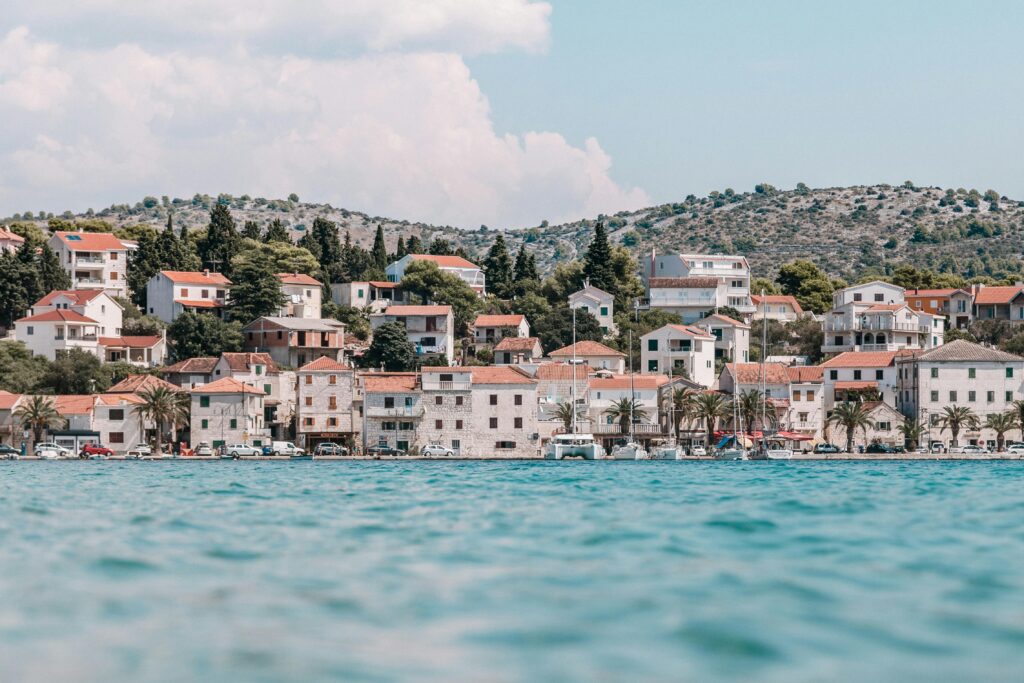
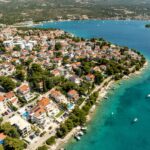
Croatia’s Adriatic coast, especially in Dalmatia and Istria, is home to properties with prices that have only continued to rise despite broader concerns about affordability and mass tourism saturation.
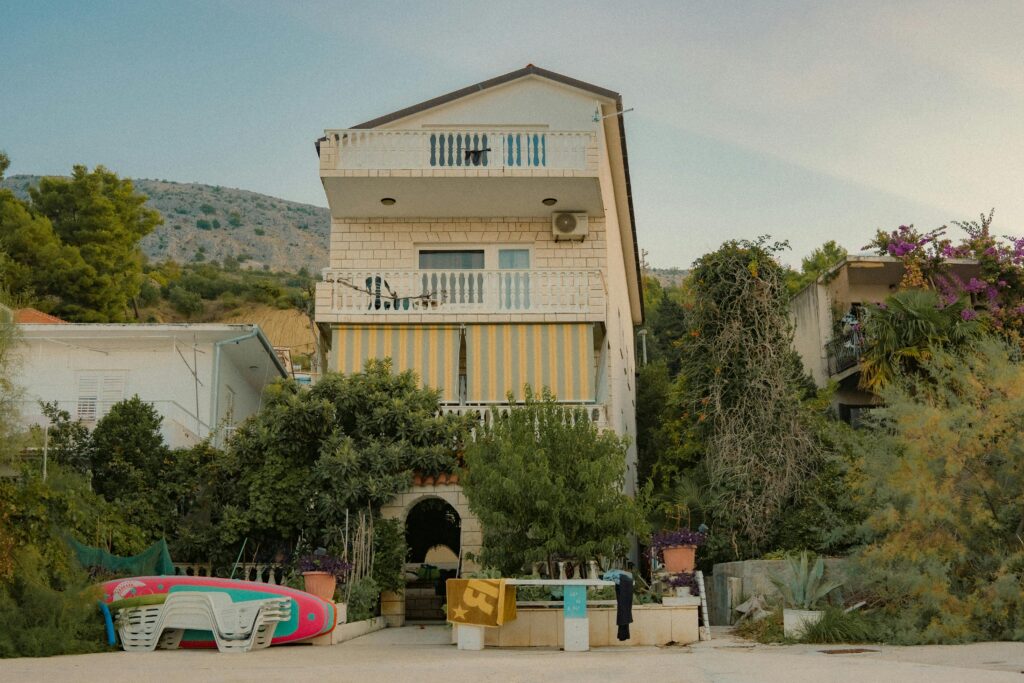
Apartments situated in prime coastal locations are increasingly being purchased not by local families, but by foreign buyers, people from the diaspora and investors treating real estate as a seasonal income asset. Croatian media frequently highlight the same trend: coastal housing is shifting from residential use to hybrid or purely commercial tourism use through short-term rentals. This is tightening supply for long-term residents and pushing prices further and further away from local wage levels.
Looking at the situation in practice, a great many coastal towns are becoming places where owning property is still possible, but living in it year-round is increasingly difficult.
the other side of the same coin exists inland
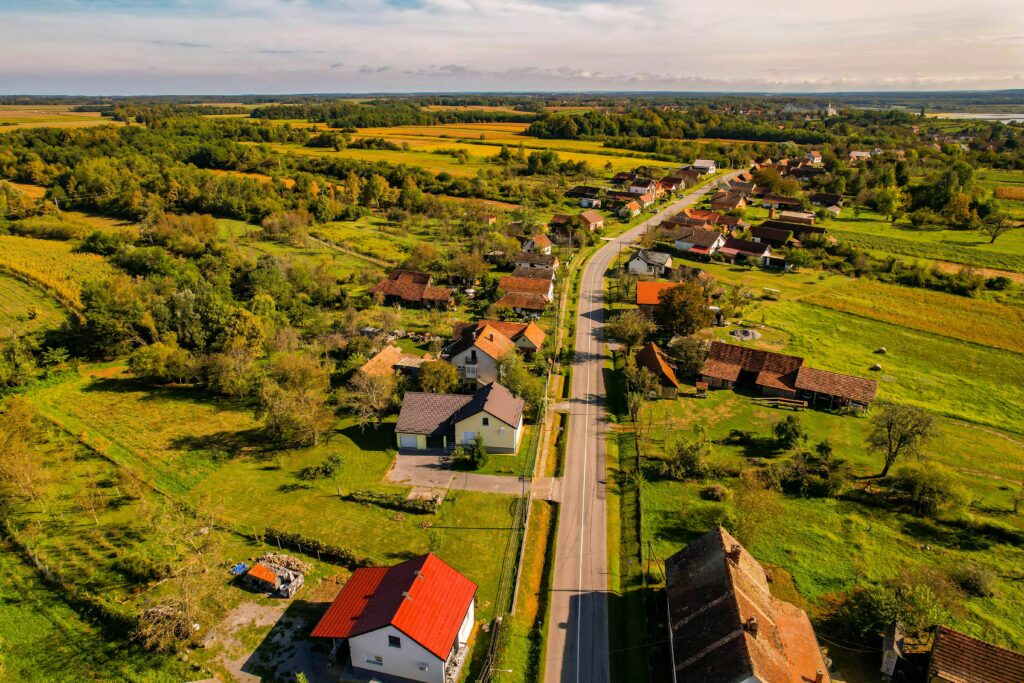
Inland Croatia is home to the total opposite side of the same coin. Far from the glam of the crystalline waters, Croatia’s property market is in a parallel universe. In regions such as Slavonia, Lika and parts of central Croatia, property prices remain significantly lower and in some cases even totally stagnate. The issue there is not overheating but a total lack of demand, constant population decline and much, much weaker economic activity.
Even government-backed revitalisation programmes and EU-funded housing incentives have had only limited impact in reversing this divide that has existed for centuries now.
short-term rentals take centre stage
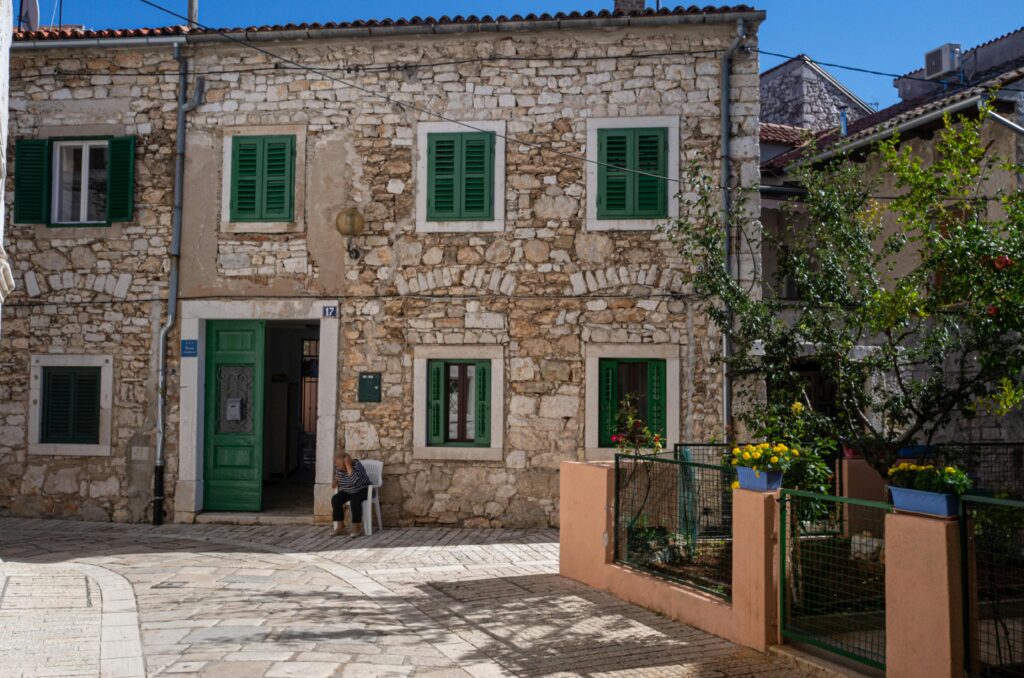
A major driver of the constant coastal surge is the expansion of short-term rentals. Platforms like Airbnb and Booking.com have reshaped the Croatian economy over the past decade, turning thousands of apartments into seasonal tourism units and furthering the divide between inland and coastal.
This has created debate, tension and a wealth of issues.
On one side, property owners argue that tourism income is absolutely essential given that the sector is Croatia’s strongest economic branch, and that short-term rentals allow families to survive in this era of constantly rising costs. On the other side, critics argue that this unsustainable model is reducing housing availability for younger residents and inflating prices beyond any reason.
Municipalities are increasingly under pressure to regulate the sector more strictly, but enforcement remains inconsistent and politically sensitive given tourism’s importance to local economies, not to mention the national one.
young croats find themselves between a rock and a hard place
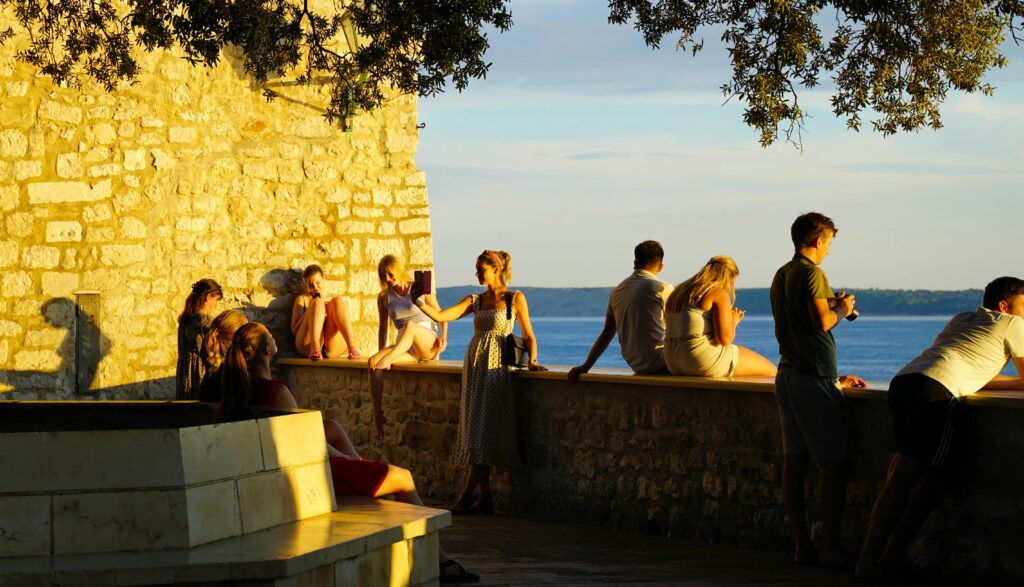
One of the most visible social consequences of this frankly bizarre housing situation is generational.
Young people living in coastal regions are increasingly priced out of buying property where they were born and grew up, pushing many toward either inland cities, shared ownership arrangements, or, most typically – emigration with no plan to return. At the same time, inland Croatia offers affordability but fewer job opportunities, especially in higher-paying sectors.
This creates a difficult trade-off: stay near economic activity but face high housing costs, or move to cheaper areas with weaker labour markets and be unhappy overall.
no easy answers in the tale of two croatias

Croatia’s weird property market and its two diverging realities have created a concrete housing divide. It is now drawing attention at national level, but solutions remain politically difficult and it may now be too late to really step in for the powers that be.
Any attempt to restrict short-term rentals risks hitting tourism income and high levels of upset from landlords. Any attempt to expand housing supply along the coast and on the islands faces obvious geographic limits and environmental constraints, not to mention mass tourism risks. On top of all that, any inland revitalisation policies require long-term investment that may take decades to show results for a plethora of reasons.
Meanwhile, EU-wide interest rates, inflation pressures and construction costs continue to shape the market from above as Croatia watches on. What is emerging is not a traditional housing bubble, but a structural imbalance between two very different Croatias: one driven by tourism, glamour and investment demand, and another shaped by demographic decline and economic woes.
politics, economics, tourism and now housing split croatia in two

Croatia’s housing story is no longer just about prices rising or falling.
The Adriatic is rapidly becoming more expensive, more global and more investment-driven. Inland Croatia is becoming more affordable, but remains as it always has – economically fragile and dogged by severe demographic issues. In between those two polar opposite and problematic realities, the powers that be are left trying to manage an illogical housing system that no longer behaves as a single national market but as two separate ones moving in markedly opposite directions.