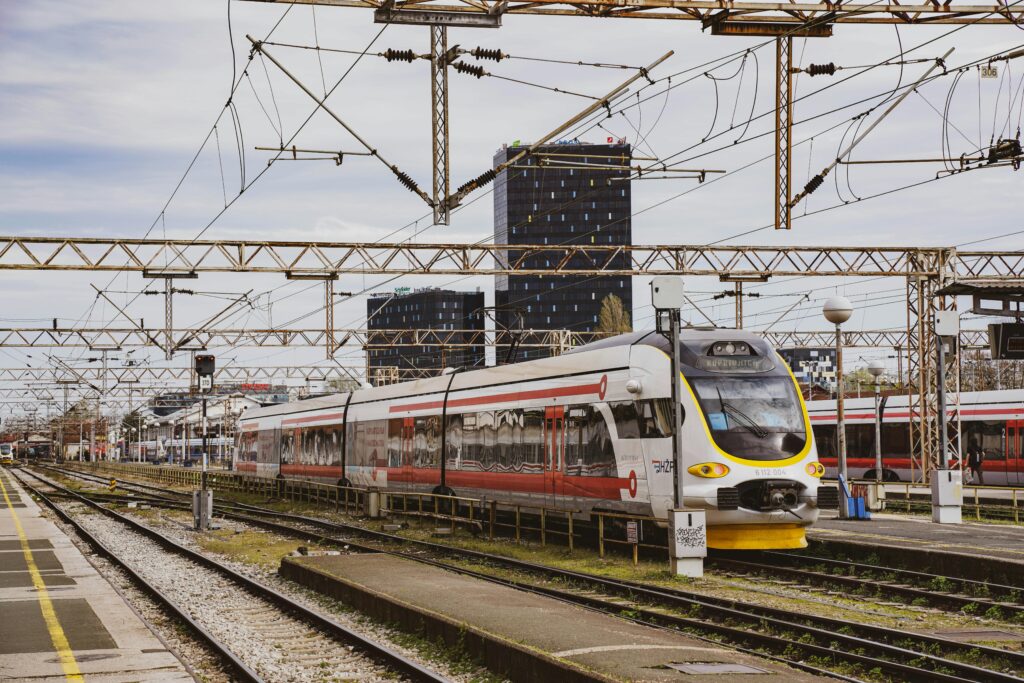
May the 14th, 2026 – Croatia’s railway revival might often get buried under headlines about inflation, tourism, the cost of living and an array of other things, but it’s a significant story that might well be the country’s biggest.
Many decades of under-investment have mired the railways system. It seems however that Croatia’s railways are now entering a renewed phase of upgrades, EU-funded reconstruction and strategic repositioning. The change isn’t particularly loud or dramatic on a day-to-day level yet, but the direction of travel is becoming increasingly visible.
from serious neglect to the dawn of a new era
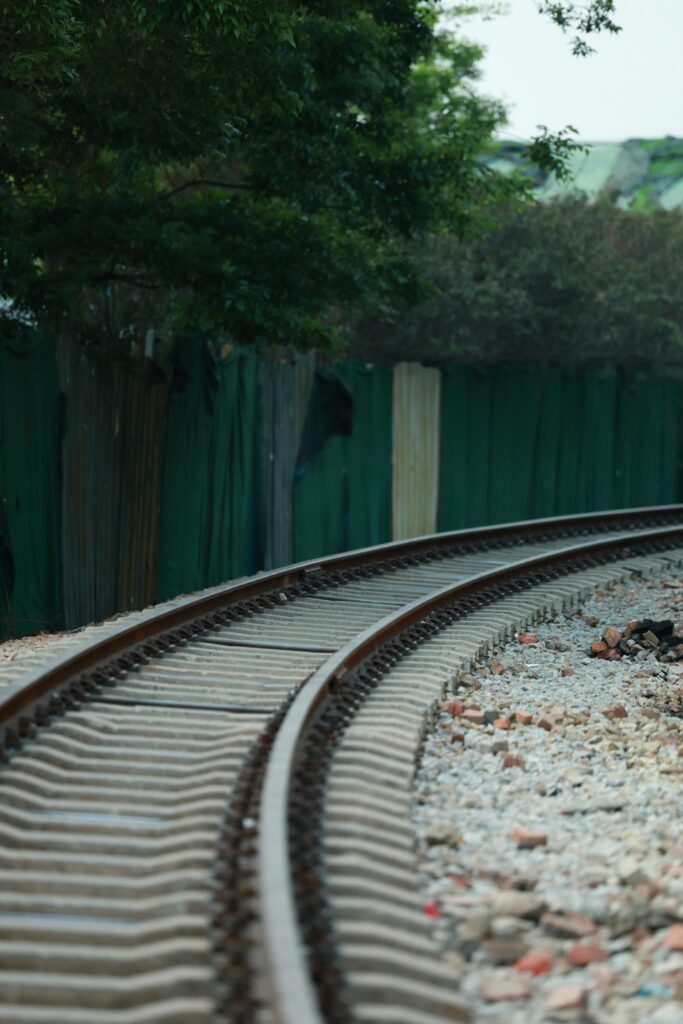
Croatia’s railway system has lagged behind road infrastructure since the country gained its hard-won independence back during the 1990s. Motorways, which are admittedly fantastic (if not very expensive) expanded rapidly, often becoming the symbol of national development. Alongside that, rail networks aged and became slower, less reliable and less competitive. They’ve become the subject of jokes, memes, and some of the most ridiculous headlines you can imagine, such as employees falling asleep on the job and drivers simply opting to not bother coming to work.
Now, Croatian Railways (HŽ) and the government are gradually shifting focus back toward rail modernisation, largely supported by various EU funding programmes and the wider European push for greener transport.
eu cash spearheads croatia’s railway revival

A significant part of Croatia’s railways revival and all of its associated upgrades is being financed through EU cohesion and recovery funds. This has allowed Croatia to begin (very) long-delayed reconstruction of key corridors connecting Zagreb with regional centres and neighbouring countries.
Projects include track modernisation, station upgrades and signalling improvements designed to increase speed, safety and reliability. However, in true Croatian fashion, progress still remains uneven. While some sections are being fully reconstructed, others are still operating on infrastructure that limits train speeds to levels that are not remotely competitive with the country’s advanced road travel.
commuters signal the change
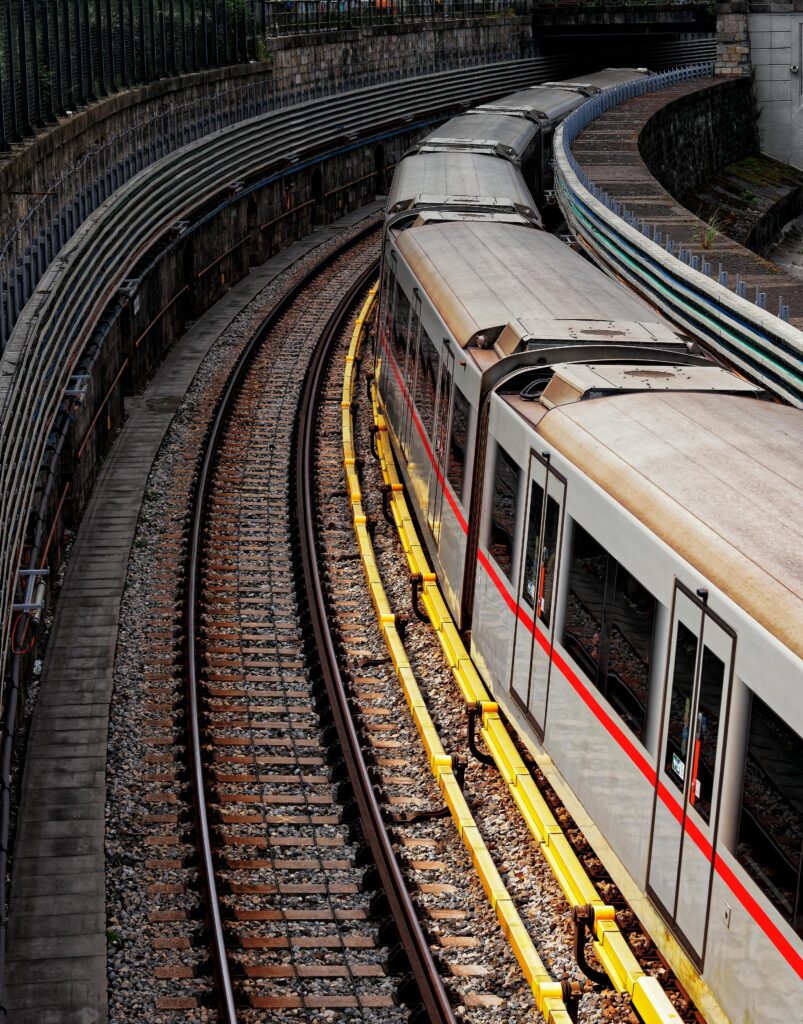
One of the primary developments is the growing focus on commuter rail in the Zagreb metropolitan area. As Croatia’s capital city continues to expand economically and demographically, congestion and commuting times are becoming more visible issues. Traffic jams are a constant sight across Zagreb as the number of cars explodes and needing a huge amount of time to get from one end of the city to the other have sadly become the daily norm.
Extensive plans for improved suburban rail connections between the City of Zagreb and surrounding towns are being positioned as essential for long-term urban development rather than just transport upgrades.
tourism and regional dynamics expose the (transport) cracks

Croatia’s always intense summer tourism season continues to highlight structural weaknesses throughout the transport system. Road congestion along the coast and on many of the islands, limited rail alternatives and heavy reliance on car travel remain persistent issues as tourists from far and wide descend on the country’s roads in cars, camper-vans, fancy motor-homes and more.
Croatia’s railway network also reflects broader regional dynamics. Connections with neighbouring countries remain slower and less competitive than in Western Europe, limiting both passenger and freight potential.
This has implications that have a reach far beyond tourism. Croatia’s growing number of exporters, logistics companies and port operators increasingly rely on road transport due to speed and reliability constraints in the rail system. As EU pressure for greener freight transport only mounts, this gap is gradually turning into more of a trench.
Despite limitations, Croatia’s railway revival is a very significant part of a strategic long-term shift rather than a short-term upgrade cycle. The country can’t really continue relying almost entirely on roads in a European transport system that is gradually moving toward rail-heavy, low-carbon infrastructure. Naturally, this transformation is slow. Rail projects take years, sometimes decades, to fully materialise. That’s even in the best of circumstances. Croatia is also very much still operating within infrastructure inherited from a totally different economic era.
a re-balance for croatian transport
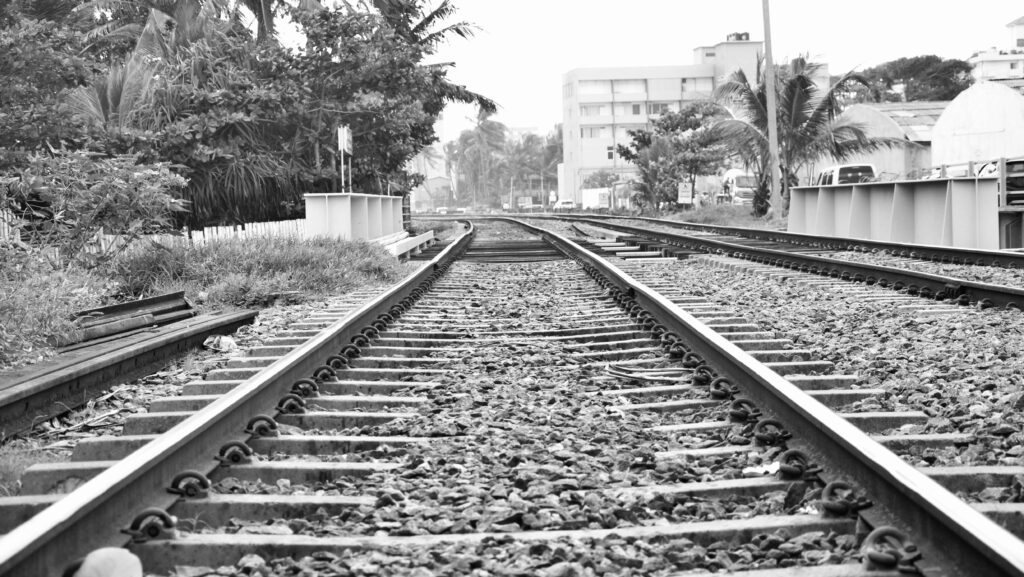
What is emerging is not a railway revolution, but a gradual re-balancing of priorities. The country’s widely praised motorways will remain central to Croatia’s mobility system, especially given tourism demand. With that being said, travel by rail is slowly re-entering national planning as a serious complement rather than a forgotten alternative.
For a country where infrastructure identity has long been defined by motorways and updating the technology used to manage them, this shift is slow and steady but very real.