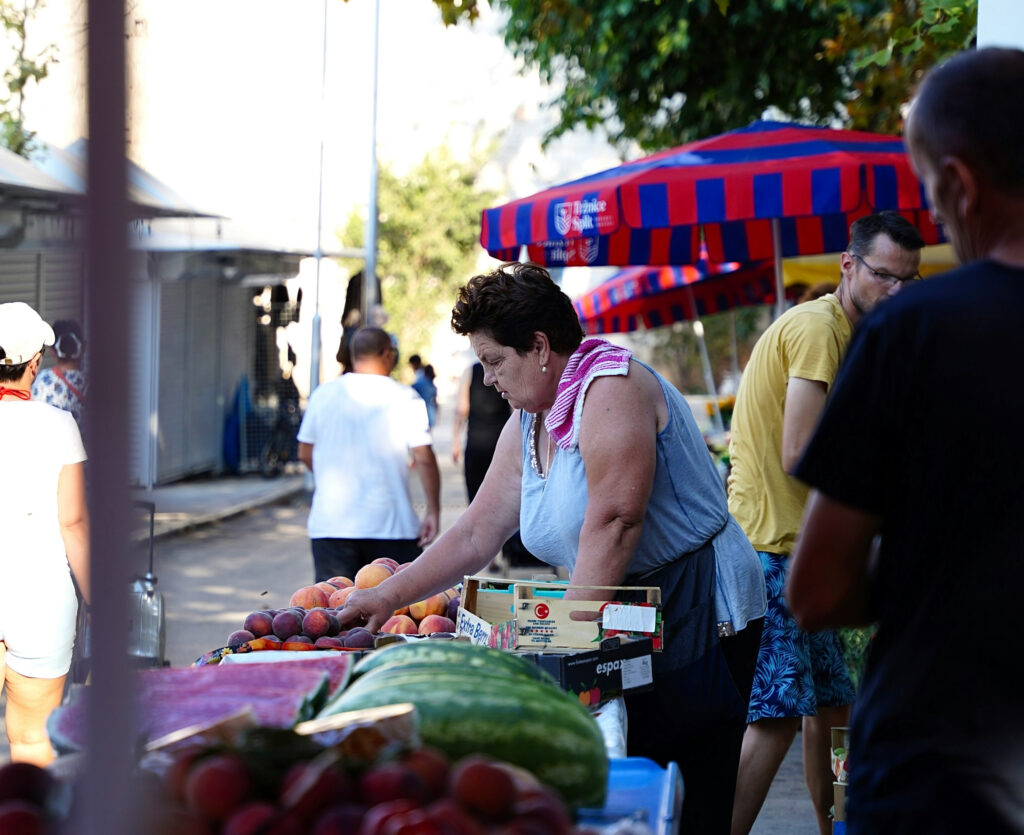
May the 17th, 2026 – While still popular, Croatia’s beloved traditional markets often selling locally grown products are unfortunately losing ground to large, more convenient supermarkets.
Croatia’s much loved tržnice, or markets which are often open-air, have long been one of the most recognisable parts of daily life even in larger cities like Zagreb, Split, Rijeka and Osijek. In smaller areas, they remain an indispensable part of living, but a shift is being noted in shopping habits; Croatia’s traditional markets may be slowly losing ground to large supermarkets and modern retail chains. It’s not happening overnight, but the trend is becoming increasingly visible.
For countless previous generations, shopping at Croatia’s traditional local markets has been a routine part of life, long before the emergence of huge convenience stores. Locally grown fresh fruit and vegetables, seasonal produce, cheese, fish and homemade goods have traditionally been bought directly from small producers and vendors in open-air markets. In many cities, these markets are also social spaces, places where people meet, talk and maintain daily routines beyond simple shopping duties.
for younger generations, things are different
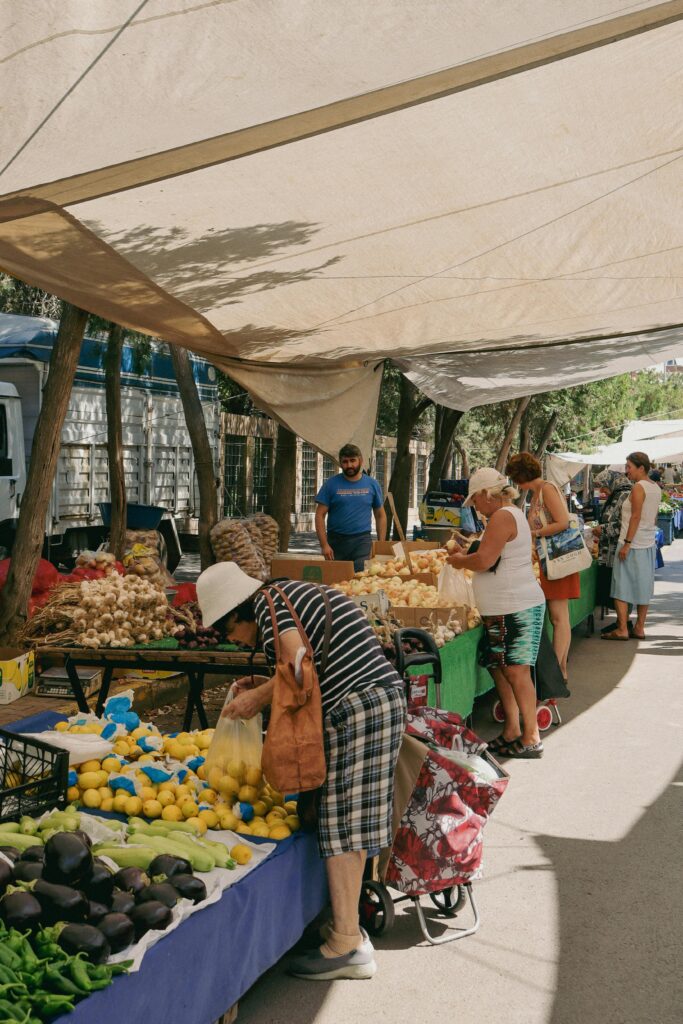
One of the biggest changes now being discussed is generational behaviour. Younger people, especially those living in urban areas, are increasingly turning toward supermarkets, discount chains and online delivery options. The reasons are mostly practical and totally understandable – convenience, longer opening hours, standardised pricing and easier one-stop shopping.
Unlike Croatia’s traditional markets, supermarkets also offer a wider range of packaged goods, making them more suitable for fast-paced lifestyles, and you always know what will be available, which simply isn’t the case for markets.
Another key factor is cost in the case of inflation and rising food prices across all retail sectors, including the markets. In some cases, shoppers say they no longer see a significant price advantage compared to supermarkets, especially when factoring in time, transport and seasonal variability. As a result, some consumers are becoming more selective about when and how often they shop at markets.
Market vendors in various different cities have increasingly reported a noticeable demographic shift. Older customers remain loyal and continue to visit regularly, often maintaining long-standing relationships with specific sellers. However, younger customers appear less consistent, often visiting markets only occasionally rather than as their primary source of groceries. This has raised concerns among some vendors about the long-term sustainability of traditional market culture.
supermarkets dominate in croatia, whether we like it or not
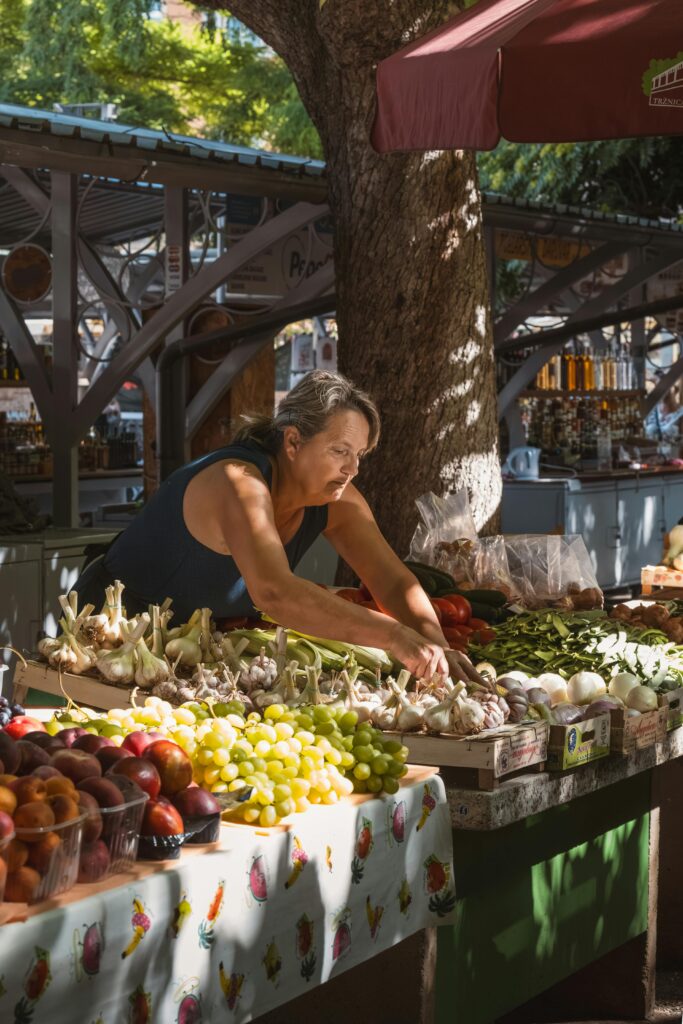
Croatia’s retail sector is only continuing to expand aggressively. Discount chains and large supermarket groups have strengthened their presence across both cities and smaller towns, offering strong promotions and private-label alternatives. This has made everyday food shopping more centralised and predictable, in contrast to markets, where prices and availability can vary daily.
What makes this trend particularly important is that it is not just economic, it has a very evident cultural aspect. Croatia’s traditional markets aren’t only places to buy food, but part of identity, routine and to a degree, heritage. If their usage declines significantly over time, it could represent a broader change in how Croats interact with food, producers and local communities.
Despite the concerns, traditional markets aren’t vanishing anytime soon. Across many coastal towns and city centres, they remain busy, especially during mornings and weekends, and particularly among older generations and chefs who prioritise fresh ingredients. Some markets are also adapting, introducing modernised stalls, better infrastructure and more curated offerings.
For now, Croatia still maintains a strong market culture compared to much of Europe, but the direction of change is becoming clearer. The deep desire for convenience retail is growing, while traditional shopping habits are gradually evolving. Much like many small cultural shifts, it may only become fully visible in hindsight, once the “normal” way of shopping has already changed permanently.