May the 16th, 2026 – The Croatian alcohol culture is changing, at least for a large part of the youth. The country’s young people are now consuming less alcohol than ever before.
Croatia has long been associated with cafe and bar culture, late-night gatherings, wine, beer and rakija traditions deeply woven into everyday social life, particularly in particular reasons (we’re looking at you, Zagorje). Despite those old customs, a quieter cultural shift may now be emerging, especially among younger generations.
There is growing evidence that younger people in Croatia are drinking less alcohol than previous generations did, following a broader trend already visible across much of Europe.
the youth are altering old social habits and customs
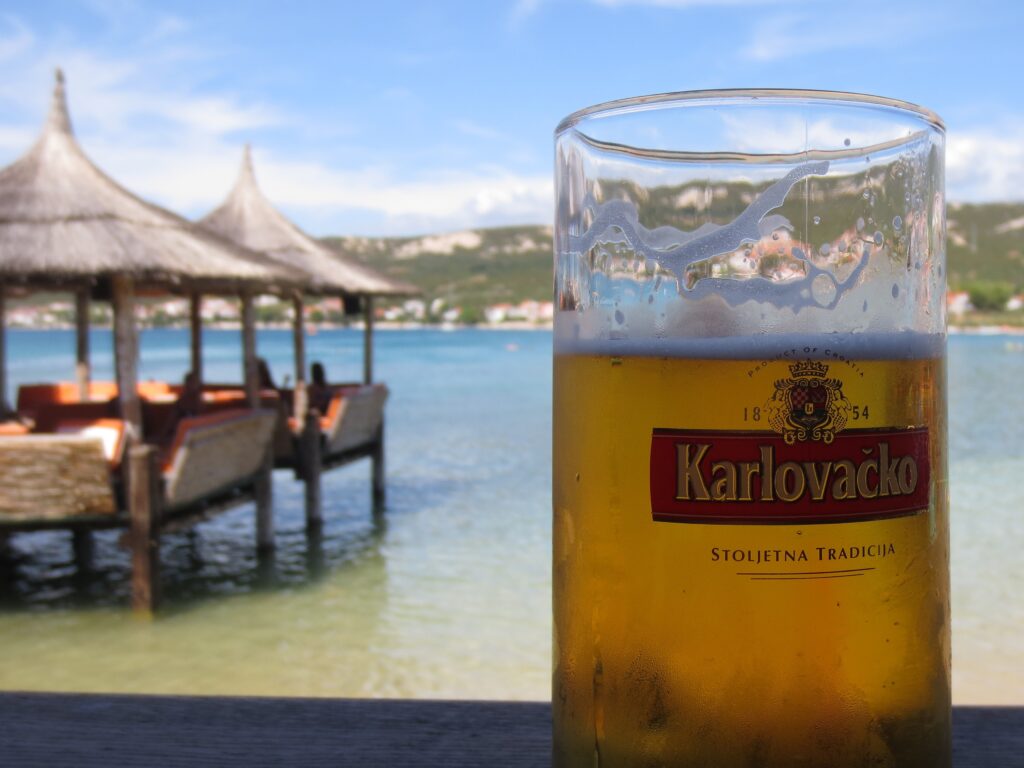
For countless generations, alcohol played a central role in Croatian social culture. Coffee bars, night cafes, weddings, football gatherings and family celebrations were all closely tied to drinking culture, whether through beer, wine or homemade rakija.
Looking at modern Croatia, younger people increasingly appear to be approaching alcohol differently. A more prominent health and fitness culture, all sorts of wellness trends, mental health awareness and changing nightlife habits are all influencing consumption patterns, particularly in larger cities such as Zagreb, Split and Rijeka.
Croatian cafes and bars are also gradually expanding their popular alcohol-free options, including non-alcoholic cocktails and beers, reflecting changing demand among younger customers.
Importantly, Croatia’s globally known cafe culture is far from disappearing. People still spend hours socialising over one cup of coffee, especially compared to many northern European countries. However, the role alcohol plays within those social routines seems to be slowly but surely evolving. Younger people are more likely to moderate their drinking or avoid excessive alcohol consumption altogether, especially during the working week.
In many urban circles, heavy drinking no longer automatically carries the same social status it once did.
One major factor behind the shift is lifestyle change. Younger people are more exposed to a global fitness and health culture, various other more specific health content and social media trends emphasising exercise, rest, self care, productivity and personal well-being.
This mirrors broader European patterns where alcohol consumption among younger adults has declined quite markedly in several countries over the past decade or so.
do economic woes play a part here?

Rising living costs of living may also be influencing old habits. As prices for nightlife, bars and restaurants continue increasing, younger consumers are becoming more selective about spending their hard-earned cash on alcohol and entertainment. There is a sense of growing frustration about prices in cafes, bars, clubs and coastal nightlife venues, especially since the coronavirus pandemic and adoption of the euro as Croatia’s official currency.
For some younger people, moderation may now be partly financial as well as cultural. Despite these shifts, Croatia remains a country with strong alcohol-related traditions. Wine production, rakija culture and social drinking remain important parts of regional identity, especially in Dalmatia, Slavonia and inland rural areas.
Older generations still tend to view alcohol as a normal and very expected part of social life, family gatherings and hospitality. This creates an interesting generational contrast now becoming more visible across Croatian society.
It’s important to note that these changes, while absolutely evident, are gradual rather than dramatic. Croatia is not suddenly becoming a non-drinking society. Bars typically always remain full, terraces remain crowded and cafe culture remains central to daily life. However, underneath that familiar image, habits may slowly be evolving. In a country where social identity has long been closely connected to food, drink and hospitality, even subtle changes in alcohol culture reveal something larger about how Croatian society itself is changing.