
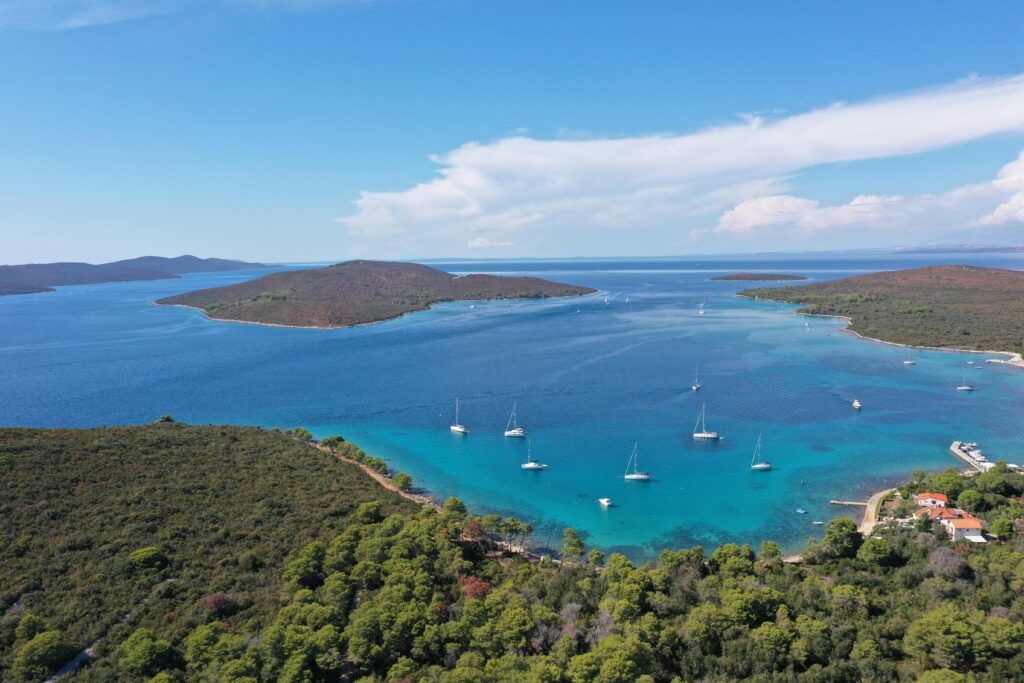
May the 16th, 2026 – Record tourism numbers and increasing masses of people are beginning to put serious strain on often fragile Croatian island infrastructure.
Broken records, high numbers and plenty of global attention across the board have become Croatia’s norm, but behind the strong arrival numbers, another conversation is brewing. That conversation concerns whether or not parts of the Adriatic coastline are approaching infrastructure limits during peak summer season.
One of the biggest concerns is water supply, particularly on the islands. As millions of tourists prepare to arrive along the coast and islands over the coming months, local authorities and utility companies are once again warning the public about pressure on ageing infrastructure systems that are already heavily stretched during summer.
huge population shifts from one season to the next

During the colder winter months, many Croatian islands and smaller coastal towns operate with relatively small permanent populations. When July and August roll around, however, those numbers can multiply dramatically as tourists, seasonal workers and second-home owners arrive in their droves. In some destinations, peak-season populations increase dramatically within just a few weeks.
That sudden surge places enormous pressure on water networks, sewage systems, waste collection and electricity infrastructure, especially in older island settlements originally designed for much, much smaller communities.
Concerns about water shortages and consumption spikes during heatwaves and high tourism periods have become as normal to the islands as the population shifts have. Some local authorities have already begun urging residents and businesses to use water responsibly ahead of the busiest part of the summer season, particularly on islands where supply systems are more vulnerable.
Climate conditions are adding another layer of uncertainty. Longer dry, hot periods and higher summer temperatures increase water demand at the same time infrastructure is already under maximum strain. It seems that wild success and high tourism numbers are causing Croatian island infrastructure serious problems.
This pressing issue reflects a broader challenge facing Croatian tourism. Visitor numbers continue growing, but infrastructure investment often struggles to keep pace, especially outside major urban centres. Roads, ports, ferries and airports usually receive the most public attention, but utility systems are increasingly becoming the hidden pressure point beneath Croatia’s tourism success story.
For many smaller municipalities, upgrading infrastructure fast enough is financially and logistically difficult, particularly given the short but extremely intense nature of the tourism season.
Local officials and tourism analysts increasingly argue that Croatia’s long-term competitiveness depends not only on attracting visitors, but on maintaining livability for residents and sustainability for destinations themselves. That means infrastructure is no longer just a technical issue, it’s becoming more and more central to the country’s overarching tourism strategy.
Croatia has spent countless years successfully marketing the Adriatic as a clean, natural and high-quality destination. But maintaining that image becomes harder if systems face repeated seasonal overload.
tourism numbers and island infrastructure – a balancing act that can easily go wrong
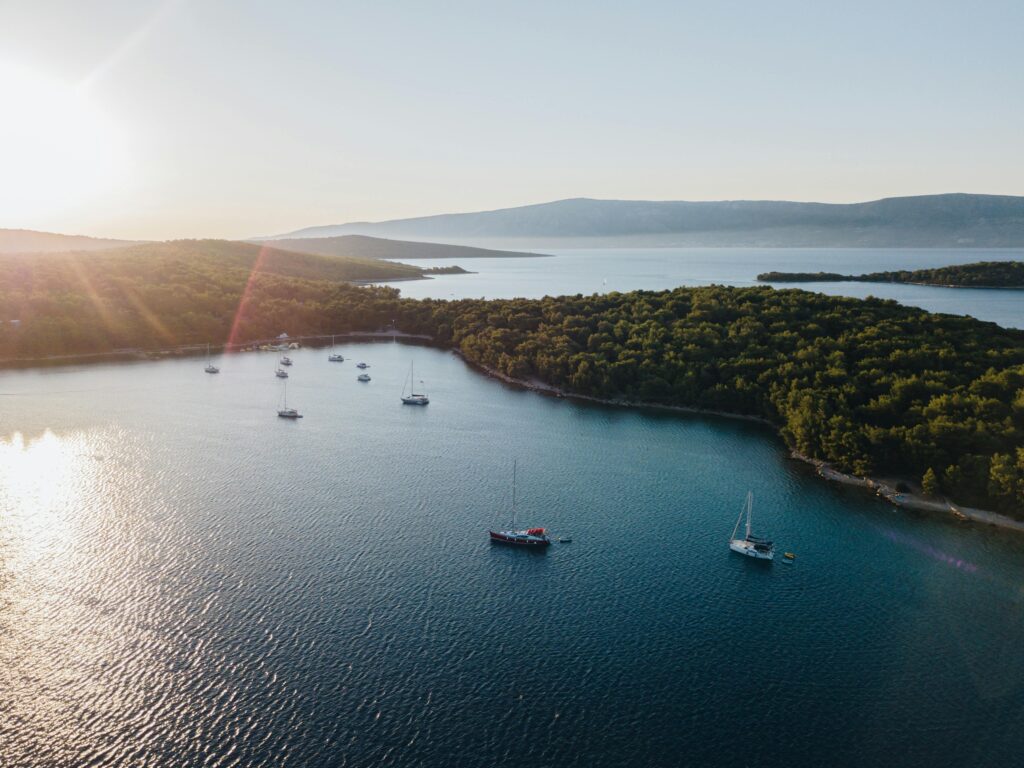
The challenge is especially complicated because tourism remains economically essential for many coastal regions. Limiting growth is politically difficult when tourism revenues support local businesses, employment and municipal budgets. At the same time, residents in some areas increasingly express frustration about overcrowding, rising costs and pressure on everyday services during summer months.
This creates a growing tension between economic growth and quality of life, one that many Mediterranean destinations are now facing.