
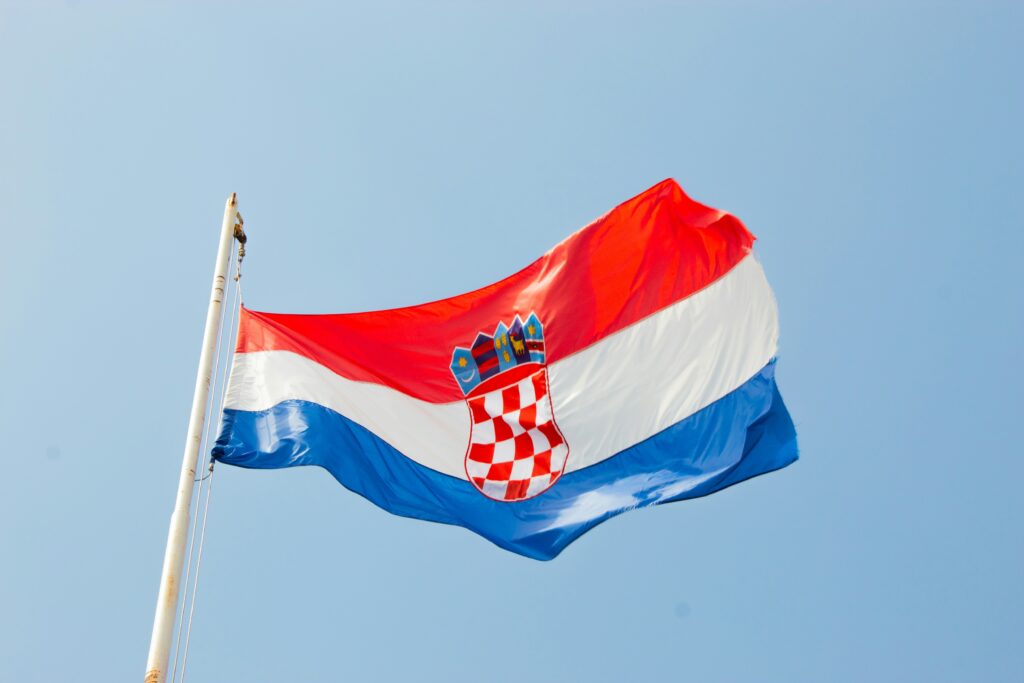
June the 6th, 2026 – Croatia has an enormous diaspora, with more ethnic Croats living outside of the country’s borders than within them, but just how undervalued is the Croatian diaspora?
For very many decades, discussions about the massive Croatian diaspora have tended to focus on one question: why so many Croatians originally left, and continue leaving in droves. On the other side of the same coin, there’s a growing number of policymakers, business leaders, and community organisations asking a somewhat different question: how can Croatia better engage with the millions of people of Croatian origin living abroad?
From Germany and Austria to Australia, Canada, the United States, and South America, Croatia’s global diaspora represents one of the country’s largest untapped resources. While exact figures vary depending on definitions, the number of people with Croatian roots living outside the country significantly exceeds Croatia’s current domestic population.
Traditionally, the relationship has centred on remittances, family ties, and summer visits. However, changing economic realities are prompting a broader conversation about how the diaspora can contribute through investment, entrepreneurship, knowledge transfer, and international business connections.
Many Croatian companies already rely on diaspora networks when entering foreign markets. Others see growing potential in attracting highly skilled professionals back to Croatia, either permanently or through remote work arrangements.
The rise of digital technology has made those connections easier than ever. Professionals with Croatian roots can now work with Croatian companies, invest in local projects, or participate in business initiatives without relocating.
At the same time, challenges remain. Administrative complexity, investment barriers, and concerns about bureaucracy are frequently cited as obstacles by members of the diaspora interested in deeper engagement with Croatia.
As demographic pressures continue and competition for talent intensifies across Europe, the question facing Croatia is becoming increasingly important. Rather than viewing emigration solely as a loss, policymakers are beginning to explore how global Croatian communities can become part of the country’s long-term development strategy.
Whether those efforts produce meaningful results remains to be seen. What is clear is that Croatia’s relationship with its diaspora is evolving from one focused primarily on heritage and identity toward one increasingly centred on economic opportunity and international connectivity.