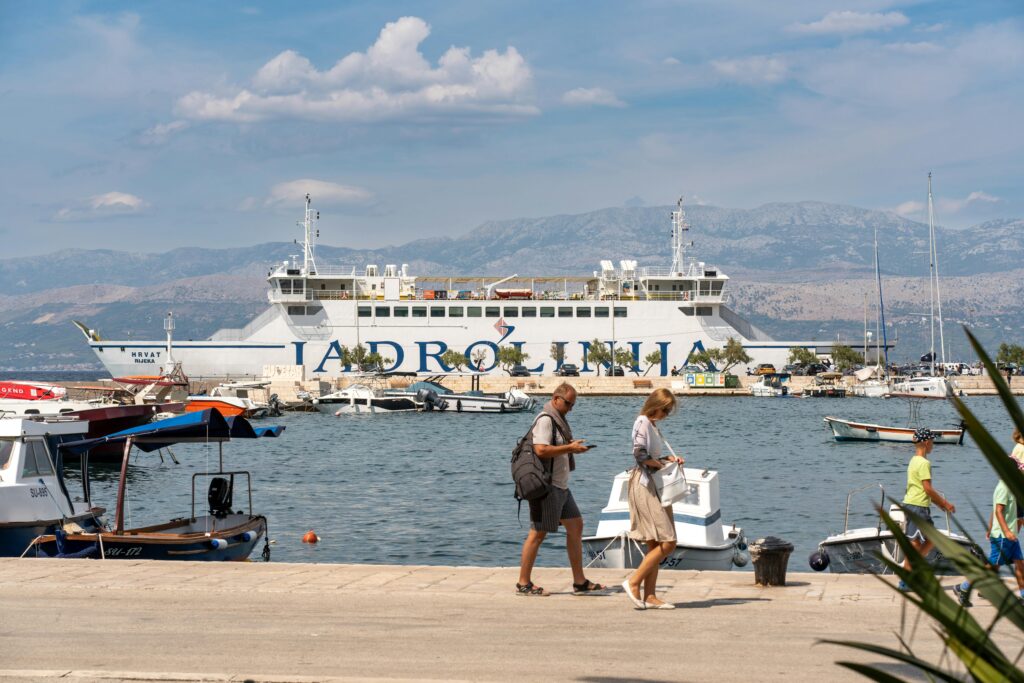
May the 17th, 2026 – Croatia’s ferry service Jadrolinija is finding itself facing increasing pressure as summer rapidly approaches.
Croatia’s islands remain one of the country’s biggest tourism advantages, but as Index reports, behind the sunny postcard images and summer travel campaigns carried out at home and abroad, another issue is becoming increasingly visible every year, and that’s Jadrolinija having more and more pressure piled on it.
As Croatia prepares for another record tourism season that is now rapidly approaching, those cyclical and somewhat traditional concerns about overcrowding, delays and growing strain on Adriatic’s maritime transport infrastructure are on the up.
For tourists, ferries are part of the holiday experience. For island residents, they’re basic infrastructure that is needed for life to run as normal.
Thousands of people across the Adriatic depend on ferry connections for work, school, access to healthcare, supplies and everyday mobility. During summer, however, those same routes suddenly become flooded with tourist traffic. Cars line up for hours at major ports, waiting times increase and schedules become heavily pressured during peak summer weekends and holiday periods, and this has become the norm.
tourism growth is outpacing itself

Croatia’s tourism industry has expanded rapidly over the past decade, especially along the coast and islands. However, many residents and local officials argue that ferry infrastructure has not modernised at the same pace.
Croatia’s multiple busy ports, somewhat outdated boarding systems and route capacities are increasingly being tested by record passenger numbers during the peak, scorching months of July and August. Scenes of congestion in Split, Zadar and island ferry ports throughout the summer season are commonplace, particularly during turnover days when tourists arrive and depart simultaneously.
island residents fear being forgotten entirely when tourists descend on their homes
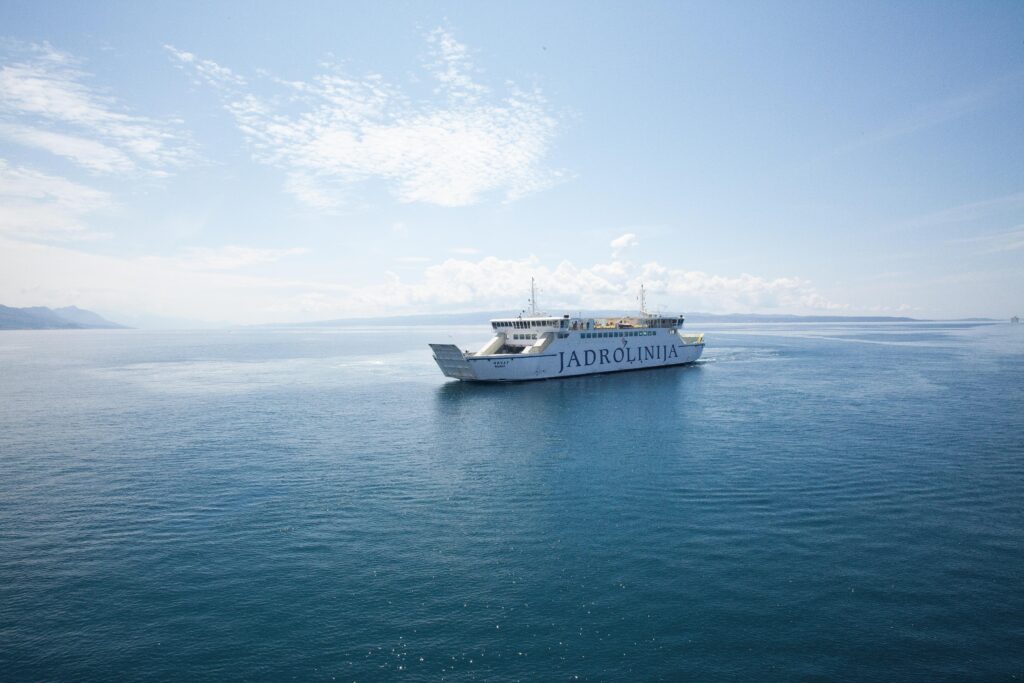
One recurring frustration among island communities is that locals sometimes struggle to access services during the busiest tourism periods. Residents living on the islands complain frequently about severely overcrowded ferries, limited vehicle space and seasonal traffic pressure making everyday life more difficult precisely when tourism activity is highest.
Some islanders increasingly argue that transport systems are being managed primarily around tourism demand rather than the needs of permanent populations. That tension has become a recurring theme in Croatian coastal discussions.
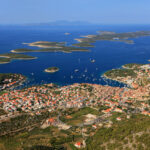
The issue matters because islands are one of Croatia’s strongest international tourism assets. Destinations such as Hvar, Brač, Korčula and Vis play a major role in Croatia’s global image as an Adriatic destination. Reliable ferry access is therefore not only a local infrastructure issue, it directly affects actual tourism quality, the general visitor experience and the broader coastal economy and everything it encompasses. As tourist arrivals continue rising, pressure on maritime transport becomes harder to ignore.
climate change affects this aspect of tourism and life as well
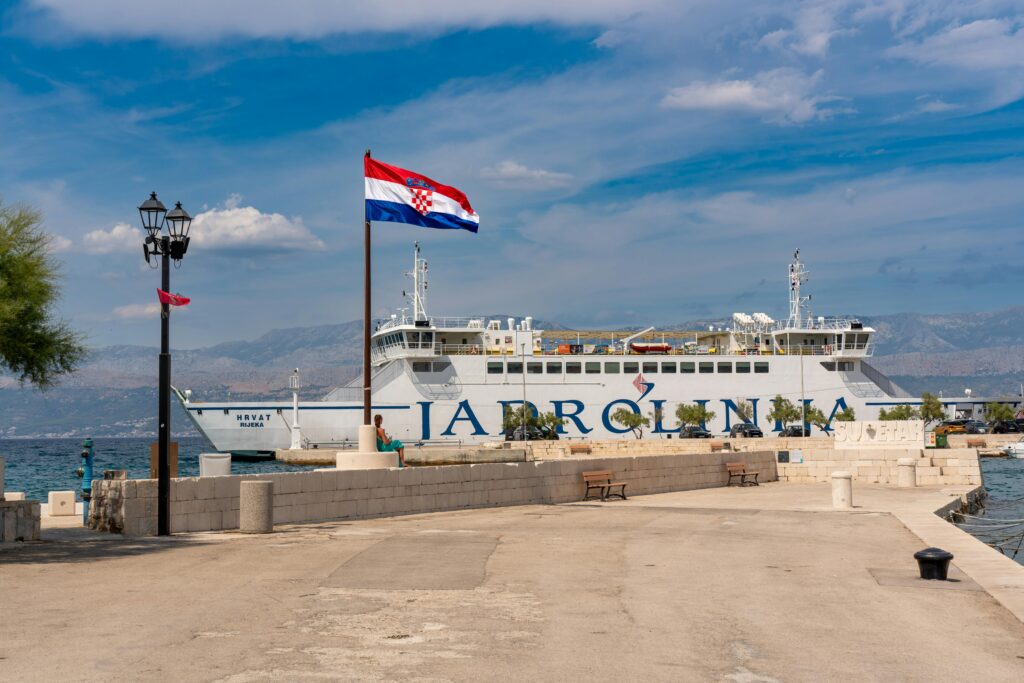
Weather conditions add another layer of uncertainty, and they’re becoming increasingly difficult to predict.
Dalmatia’s very strong winds and rough seas can already disrupt Adriatic ferry schedules even under normal circumstances. During the peak of the hot summer season, when maritime routes are operating at near total capacity, disruptions quickly create wider logistical problems that result in a chain reaction.
Missed connections, delayed supplies and traffic congestion can spread rapidly through coastal transport networks. This has increased discussion around whether Croatia needs more resilient and flexible island transport systems in the future.
For years, Croatia’s tourism strategy focused primarily on attracting visitors, nowadays, the bigger question may be whether infrastructure can sustainably support continued growth. Roads, airports, water systems and ferry networks are all facing increasing pressure from record tourism seasons. Unlike fancy looking foreign marketing campaigns or massive hotel development, infrastructure problems are much harder to solve quickly, particularly given the age of most of the country’s most popular coastal and island destinations.
island residents and island visitors – a balancing act

The challenge facing Croatia is ultimately the same one affecting many Mediterranean destinations:
how to maintain successful tourism growth without overwhelming the systems local communities rely on every day.
For now, Croatia’s islands remain one of the country’s greatest attractions. However, as another busy summer approaches once again, Jadrolinija being put under immediate pressure, heavy coastal congestion and all that implies is becoming a reminder that unprecedented tourism success also creates pressure, and that managing that pressure may become one of Croatia’s biggest long-term coastal challenges.