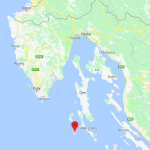
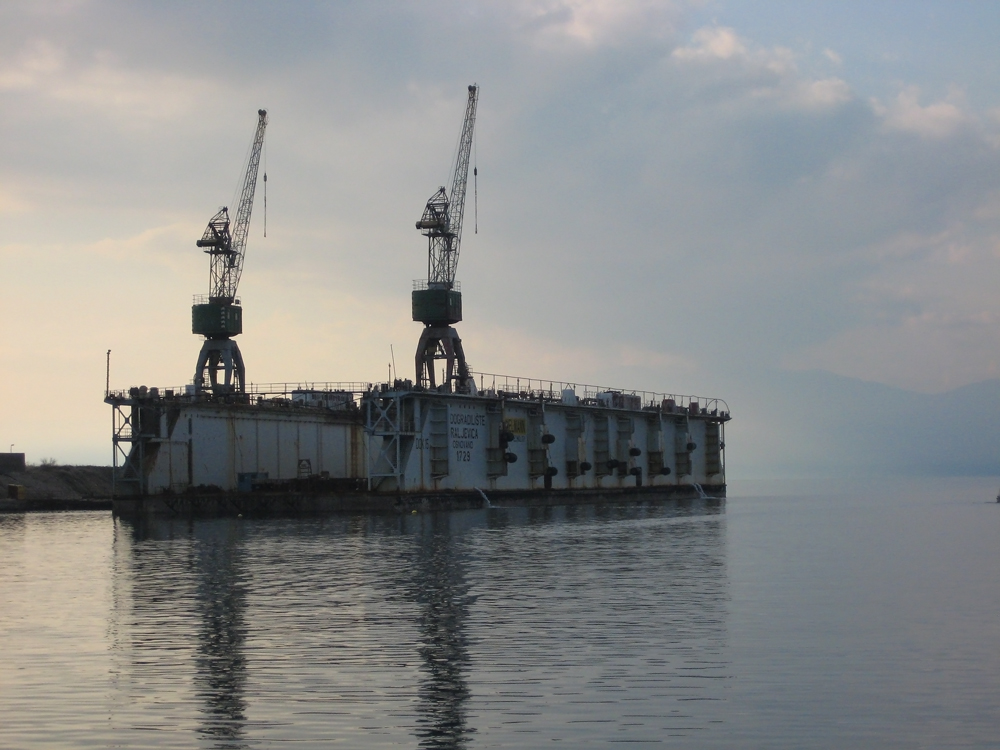
June the 29th, 2026 – The oldest shipyard in Croatia was once known globally, it built warships for the world and even fired the eternally controversial Josip Broz Tito.
Kraljevica has been a symbol of shipbuilding on the Adriatic for centuries. Although Kraljevica is no longer a single large shipyard today, the tradition lives on. The bankruptcy of the shipyard back in 2012 changed the face of the town. The current concessionaire operates with ten times fewer workers than in the era of large ship construction and now builds smaller vessels and performs refits. Before the bankruptcy, ships larger than houses were built on the local quay.
turning the clock back to the 18th century
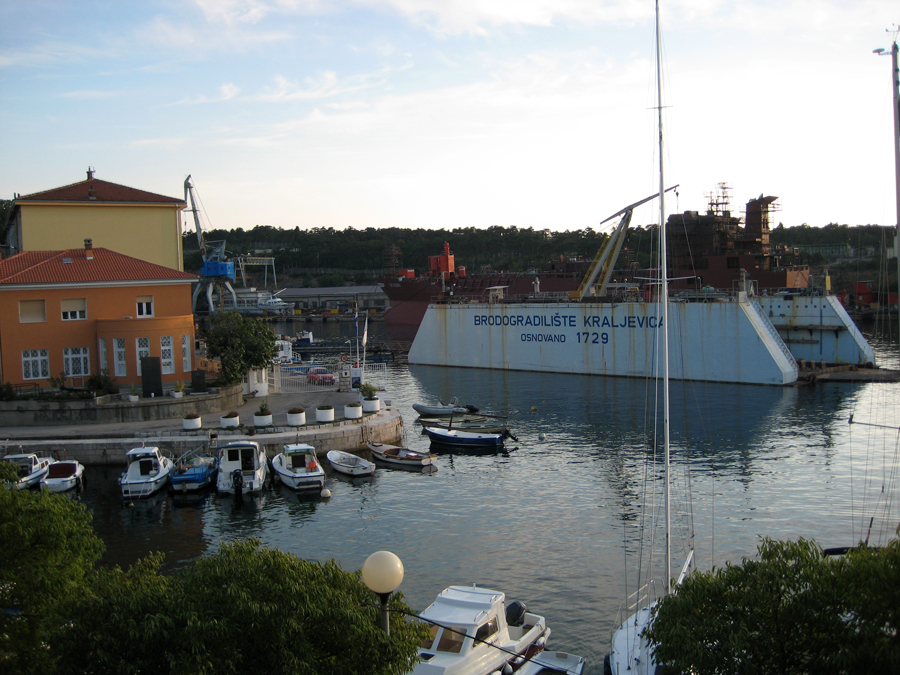
The shipbuilding tradition in Kraljevica began in the 18th century. Nikša Mendeš, museum advisor at the Maritime and Historical Museum of the Croatian Littoral (Primorje) in Rijeka, told Index: “The development of the town, or rather its shipyard, is most closely linked to Habsburg Emperor Charles VI, who in 1723 appointed Ernest Deichmann to prepare the construction of a port in Kraljevica. Although Deichmann also considered Bakar a suitable location, he chose Kraljevica.”
“The Emperor arrived in Trieste in 1728, and on the 17th of September 1728, he visited Rijeka and Kraljevica, where he issued a resolution on the construction of a shipyard in Kraljevica.”
The shipyard opened in 1729. An important role was played by Charles’s successor, Maria Theresa, who declared Kraljevica a war port where two warships (frigates) were built between 1749 and 1760. In the 19th century, the shipyard was taken over by English owners, the Pritchard brothers, who constructed 15 vessels with a total tonnage of 5,311 register tons by 1847. The first steamships were also built here; one of the most famous, launched in 1836, was the paddle steamer Maria Ana.
from sail to steam
During the mid-19th century, ownership passed to Vatroslav Ignacije Arćanin, who built sailing ships. His notable vessels included Grad Karlovac, Grad Zagreb, Josip Juraj Strossmayer, Tri sina, Tri brata, and Trojednica. These ships were built for the shipowner and merchant Vjekoslav Turković from Karlovac, who was originally from Kraljevica.
“Over the last two decades of the 19th century, significant changes were introduced to shipbuilding activities in Kraljevica, and efforts were made to resolve the issue of a dry dock. However, the Maritime Government in Trieste gave preference to a floating dock. At the beginning of the 20th century, the shipyard came under the management of Rijeka’s Danubius. Until the end of the First World War, it remained under Rijeka’s Ganz and Danubius,” notes Mendeš.
“Following the end of the First World War, the shipyard became part of the newly formed Kingdom of Serbs, Croats and Slovenes and belonged to Jadranska brodogradilišta d.d. In the interwar period, the shipyard mainly carried out steamship repairs. One of the most famous ships repaired there was the training ship Vila Velebita.”
the most (in)famous employee was josip broz tito – and the oldest shipyard in croatia fired him

The most (in)famous worker in the Kraljevica shipyard (which employed up to 1,000 people during the Austro-Hungarian period and 1,500 in the Yugoslav era) was Josip Broz Tito. He was employed there as a metalworker in 1925/26 and led a strike over unpaid wages as a union representative. For this, he was fired.
“After the Second World War and reconstruction, the most productive period of the Kraljevica shipyard followed. In terms of the number of vessels built and repairs carried out, from the early 1950s the Kraljevica shipyard was extremely productive, not only in building vessels for foreign and domestic clients, but also employing many workers in traditional trades such as caulkers, riggers, shipwrights, and carpenters,” explains Nikša Mendeš.
“During socialist Yugoslavia, the shipyard also organized so-called ‘special production’ of warships such as patrol boats, gunboats, and frigates. All types of passenger ships were built, and not just for local operators like Jugolinija, Jadrolinija, and Lošinjska plovidba, but also for foreign clients. In addition to passenger and warships, the shipyard built tugs and smaller tankers.”
the oldest shipyard in croatia begins dealing with warships
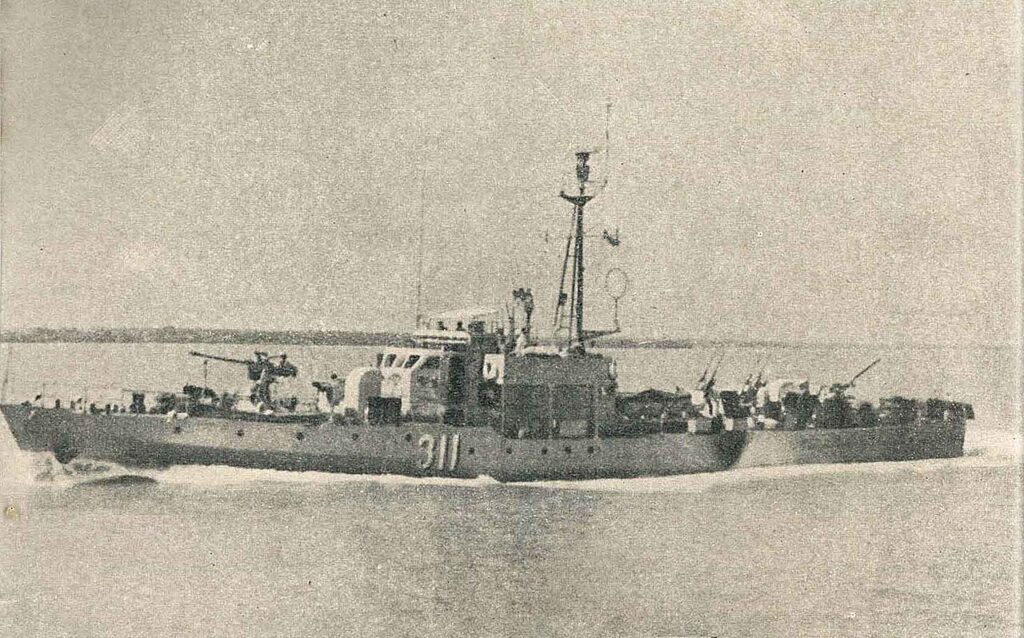
From 1946 onwards, the company was called Titovo brodogradilište Kraljevica (Tito’s Shipyard Kraljevica). It excelled in the production of warships and submarines that were exported around the world. In 1958, “submarine hunters” were exported to Indonesia. In the 1950s and 1960s, seven S-31 class landing assault boats, 24 Kraljevica-class patrol boats, and eleven newer-class patrol boats were built for the navy. During the 1970s and 1980s, another thirty or so warships were constructed.
Ferries were also built, including the Vladimir Nazor, along with other large vessels. Around thirty ships were built for Sudoimport from the Soviet Union between 1969 and 1989.
The shipyard was transformed into a joint-stock company in the early 1990s. During the Homeland War, only the missile gunboat Kralj Petar Krešimir IV was built in 1992, followed by several ships for European and Canadian customers. Restructuring was carried out, but the shipyard operated at a loss. The last major warship, the gunboat Dmitar Zvonimir, was completed in 2001. Kraljevica Shipyard d.d. went into bankruptcy in 2012 in order to comply with European Union rules on state aid and competition, as Croatia was about to formally join the EU.
dalmont keeps the traditions alive today
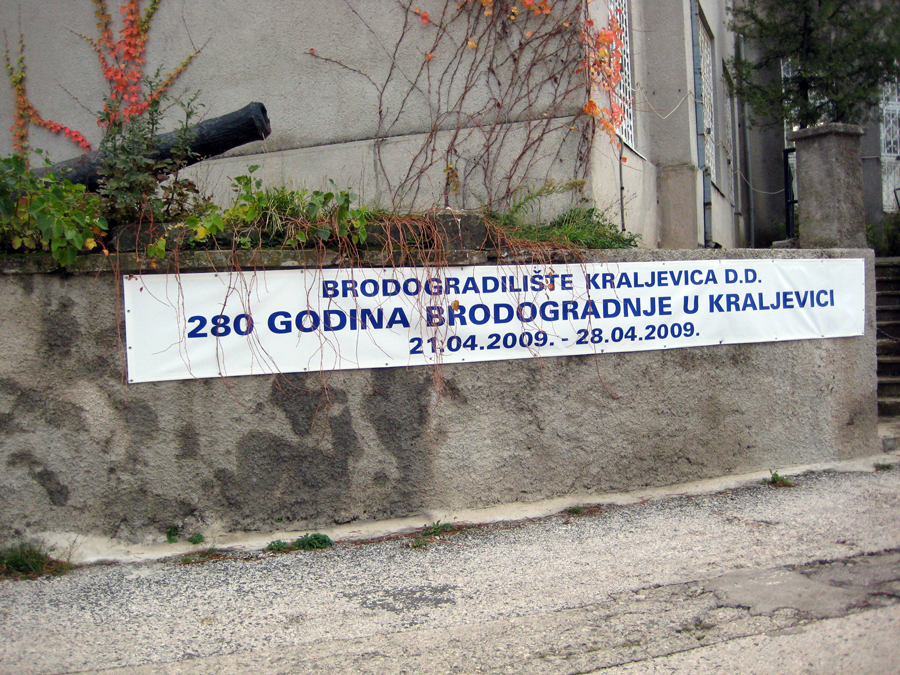
The concession for the use of maritime domain and continuation of shipbuilding in Kraljevica was awarded to the company Dalmont, whose activities include the construction and assembly of facilities, plants, and ships, as well as domestic and foreign trade.
“Dalmont Shipyard Kraljevica continues stable and successful operations, confirming its important role in Croatian shipbuilding and the economy of Primorje-Gorski Kotar County. As the concessionaire of the special-purpose shipyard port in Kraljevica, Dalmont continuously develops repair, maintenance, conversion, and shipbuilding activities, investing in the modernization of infrastructure and increasing competitiveness on the domestic and international market,” stated Dalmont’s director, Robert Miletić. The company currently employs over 130 people and, according to available business data, operates stably with continuous revenue growth and the proper and timely settlement of all obligations.
“We’re particularly proud of the fact that the centuries-old shipbuilding tradition of Kraljevica, one of the oldest shipyards in all of Europe, has been preserved. Through the expertise of our employees, investments in technology, and a focus on quality, we continue to build trust with clients and develop projects that contribute to the sustainability and development of the maritime industry,” concluded the director of Dalmont.