
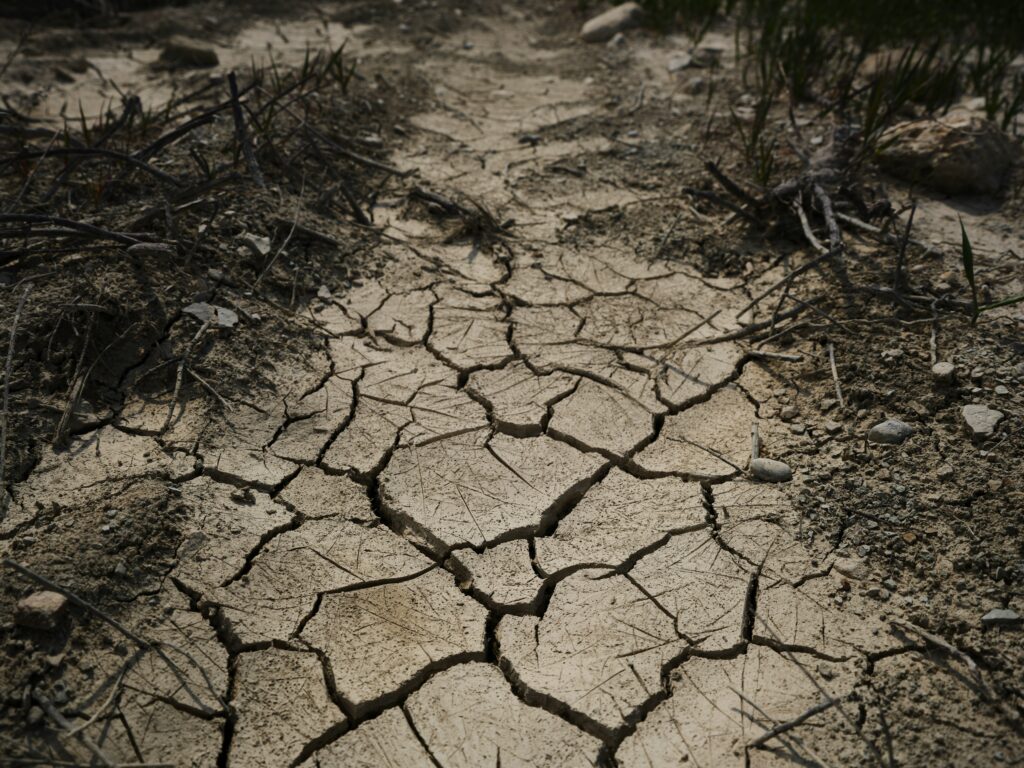
August the 6th, 2026 – Prolonged drought, the absence of heavier rainfall and high temperatures have seriously affected Croatian rivers, springs and pumping stations. Will Croatia actually have enough electricity and water?
As Domagoj Puljizovic reports for Poslovni, the Danube and Drava have dropped to record low levels, inflows on the coast and islands have decreased significantly, and electricity production in hydropower plants has weakened.
Despite the challenges, the director-general of Croatian Waters (Hrvatske vode), Zoran Đuroković, says that the water supply for the population is not currently under threat. The water level of the Sava has fallen to –298 cm, while historical minima have been broken on the Danube and Drava. Due to unfavourable hydrological and meteorological conditions on the Sava, the Krško Nuclear Power Plant (NEK) will gradually reduce reactor power to 80 percent during the night of 6 August.
This is a planned measure to ensure that the average daily temperature of the Sava does not exceed 28 °C and that the average daily temperature rise remains within three degrees. NEK has been operating continuously for 280 days since its overhaul in November 2025; if conditions worsen, power will be reduced further. The last time NEK operated at reduced power because of Sava temperature and flow was in 2003.
recovery won’t happen quickly

“There is no doubt that Croatia will have enough electricity,” Prime Minister Andrej Plenković said on Tuesday, adding that there is “no threat whatsoever” regarding NEK. Turning back to water supply:
“The situation is quite serious. This is already a prolonged low-water period,” Đuroković told HRT, warning that a rapid recovery cannot be expected. The Danube at Batina has fallen to –144 cm, surpassing the minimum recorded as far back as 1909. A historically low level has also been measured on the Drava, where the previous record of –172 cm has been exceeded with a drop to –192 cm. High water temperatures are also a problem.
The situation is even more sensitive on the coast, islands and karst areas. The long period without rain has reduced the yield of springs and pumping stations, prompting many water utilities to call on citizens and businesses to use water rationally.
“Inflows there are already greatly reduced, so capacities are being cut,” Đuroković said. In some areas pressure drops in the network are being recorded, but water supply remains stable. Conservation measures are being introduced and the use of water for irrigation, filling swimming pools and other non-essential purposes is being restricted, but the basic needs of the population are not currently threatened.
In Lika the situation is relatively stable, although the yield of some springs has decreased, particularly in the Brinje area. Đuroković warned that the disappearance of the snow cover has eliminated an important natural water-storage source for Lika watercourses.
Continental Croatia is currently in a more favourable position thanks to groundwater and large river systems. “There will be no shortages on the continent. The situation is quite good,” he said. Zagreb’s Water Supply and Sewerage company (ViO) also says there is no cause for concern, stating that water extraction in the city area is proceeding without difficulty.
“In the City of Zagreb, water extraction is taking place smoothly and there are currently no indications of possible disruptions in water supply,” ViO emphasised. The city company stresses that it continuously invests in the new network and maintenance of existing infrastructure and is implementing an action plan to reduce water losses, which last year amounted to 55 percent. They add that their water inspection service checks cases of illegal connections, and citizens can report suspicions of unauthorised water use to vodno.redarstvo@zgh.hr.
Croatian Waters has intensified monitoring and sent water-warden services into the field. Special attention is focused on smaller watercourses, which become sensitive to pollution due to low flow and high temperatures.
“Any inflow of pollution into these small rivers can cause ecological incidents,” Đuroković warned, calling on cities, municipal companies and economic entities to carefully treat wastewater. Recovery of water levels is not expected in the next five to seven days. The drought is already affecting hydropower plants, especially those on the Drava, where production has been reduced due to weaker inflows.
Croatian Waters and HEP are coordinating the use of available water so as not to endanger the biological minimum in the rivers. In Istria the key role is played by the Butoniga reservoir, which is currently sufficiently full. Larger restrictions are not expected there, but citizens are still being urged to use water rationally.
no reductions… for now, anyway
Istrian Water Supply and Sewerage Buzet has warned users in the areas of Vižinada, Kaštelir-Labinci, Višnjan, Tinjan and parts of Poreč and Kanfanar to immediately limit irrigation of green areas and washing of yards, and that if consumption is not reduced the first degree of restriction could be introduced. Vodovod Pula-Labin, which supplies the Pula and Labin areas and part of central Istria, says that water supply is regular and that reductions are not currently planned.
HEP: We’ll secure electricity from our own sources and by purchasing
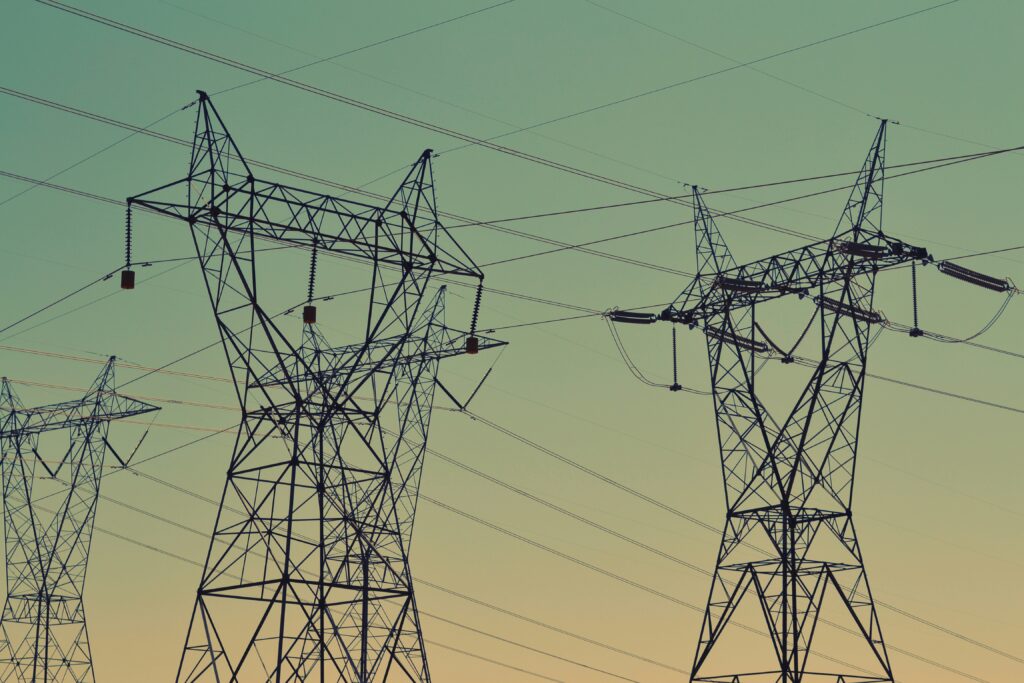
In the event of a halt in production from the Krško Nuclear Power Plant (NEK), Hrvatska elektroprivreda (HEP) would secure the necessary quantities of electricity through production from its own available generation sources and by purchasing the remaining quantities on the wholesale market, HEP told Hina on Wednesday.
“In the event of a halt in production from NE Krško, HEP would secure the necessary quantities of electricity by engaging production from other available own generation sources and by purchasing the remaining quantities of electricity on the wholesale market,” HEP stated.
The Ministry of Economy, responsible for energy, says that the Croatian and Slovenian governments are taking all necessary activities to ensure that the Krško Nuclear Power Plant continues to operate stably and safely even under conditions of high Sava River temperatures.
“We are in constant communication with the Slovenian side and jointly monitoring the development of the situation, with the aim of preserving the security of electricity production and supply,” the ministry told Hina. NEK reported on Wednesday that due to the continuation of exceptional hydrological and meteorological conditions on the Sava, it will begin operating at 80 percent reactor power during the night of Thursday, 6 August 2026, and will announce a return to full power when conditions allow.
“Due to the continuation of exceptional hydrological and meteorological conditions on the Sava River, NEK will, as announced, begin a gradual reduction of reactor power during the night of Thursday, 6 August 2026. In the first step, power will be reduced to 80 percent,” NEK reported on Wednesday.
This is a planned and controlled temporary measure necessary to ensure compliance with the provisions of the Environmental Consent (OVS), according to which the daily average temperature of the Sava River at the point of complete mixing downstream of the Brežice Hydropower Plant must not exceed 28 degrees Celsius, and the average daily temperature rise must not be greater than three degrees.