

November the 11th, 2026 – The last masters of Zagreb’s old trades keep the door to simpler times open, all while exposing the soul of the Croatian capital in an increasingly fast-paced world.
If you happen to take a stroll down Zagreb’s old main artery, Ilica, or into one of the (many) historic courtyards of Lower Town (Donji grad), you’ll notice a distinct shift in the bustling city’s rhythm. Beyond the hum of modern life, endless coffee shops and modern boutiques, lies a quieter Zagreb. I’d say the real Zagreb. Situated behind modest, easily overlooked and century-old wooden storefronts, a dedicated group of local master artisans is keeping the Croatian capital’s medieval guild traditions alive and well. In the face of modernity, which is frankly becoming more and more concerning in many ways, these artisans do far more than just preserve tradition.
For many centuries, Zagreb’s economy and civic identity were built and constantly maintained by its obrtnici the master craftsmen. Today, in an era of mass production, fast fashion and people insisting on robots doing absolutely everything for them, these last surviving workshops are grounding for very many people. They’re living, working museums of intangible cultural heritage, offering visitors a rare chance to witness authentic, slow-crafted artistry firsthand. If this is up your street, let’s take a peel inside the workshops of Zagreb’s fascinating master umbrella makers, hatters, and cobblers, as all of them shape the capital’s true artisanal soul.
the crimson canopy of the Šestine umbrella
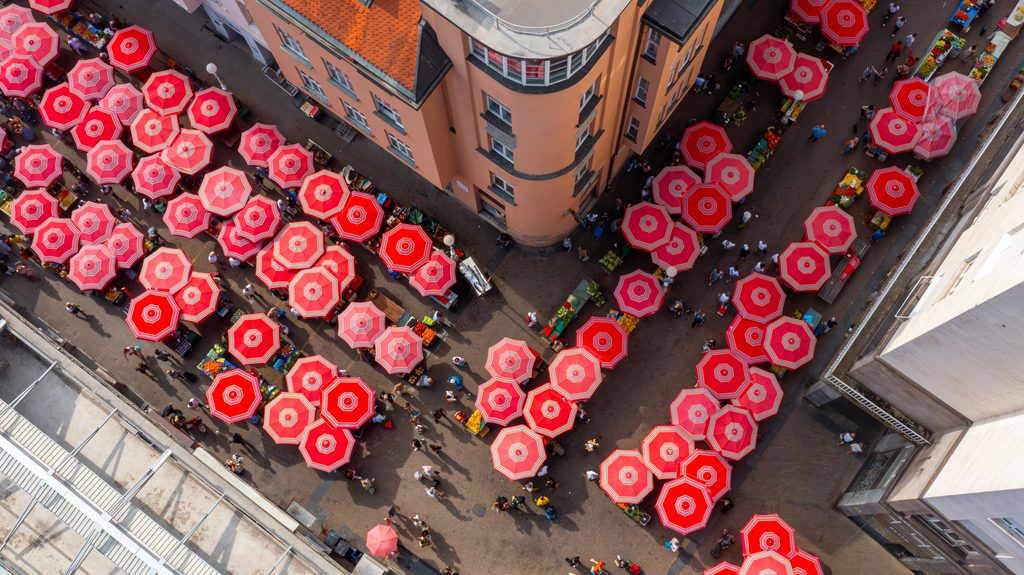
No visit to Zagreb is complete without seeing the iconic Šestine umbrella (Šestinski kišobran, if you want to go local). Towering in vibrant crimson over the stalls of the busy Dolac Market, this striking parasol with its multicoloured horizontal stripes and natural chestnut handle is the city’s most recognisable visual symbol. What many travellers fail to realise is that every single authentic Šestine umbrella is still handcrafted in one single location – the Cerovečki Umbrella Workshop. You’ll find it on Ilica. Founded back in 1912 and now led by the fourth generation of the Cerovečki family, this is the last remaining umbrella-making workshop out of the eight that once operated across the capital. Recognising its profound historical value, the Croatian Ministry of Culture inscribed the traditional craft of making the Šestine umbrella on the List of Intangible Cultural Heritage of the Republic of Croatia. Stepping inside the shop, you’ll immediately be struck by the aroma of steamed chestnut wood and fine cotton. It’s an instant sensory reminder that a true souvenir isn’t always a magnet or a keyring that will fall to bits quickly, it can still be something built to weather decades of rain.
zagreb’s hatters – crowning the capital
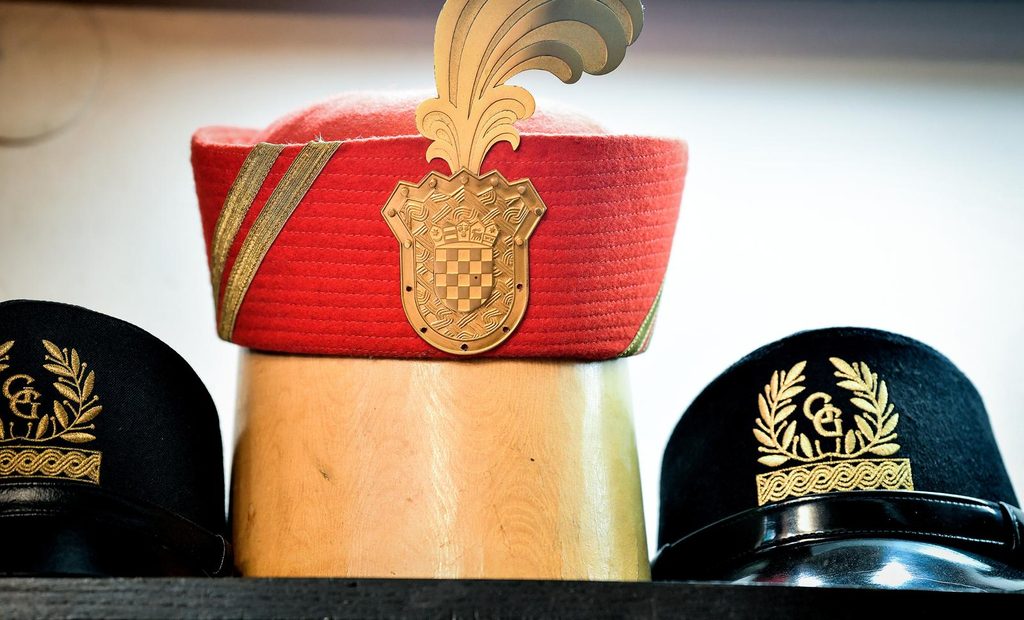
The word “hatter” is often associated with the term “mad hatter” and little else anymore, and while we can’t 100% guarantee you won’t run into a mad hatter in Zagreb, we can guarantee you’ll be impressed by what they do. If you turn the clock back to the early 20th century, however, a refined gentleman or lady living in Zagreb would never dream of stepping out onto Ban Jelačić Square without donning a proper hat. Today, that bygone Central European elegance survives in the workshops of the city’s historic milliners and hatters (known as klobučari).
Tucked into the historic Octagon passage (Oktogon) and along Ilica, old institutions like Kobali Hat Shop and Salon Šešira Cahun continue to block, steam, and stitch headwear using century-old wooden molds. Whether crafting traditional wool felt fedoras, bespoke bridal fascinators, or the classic caps worn by very many regional folk ensembles, Zagreb’s hatters bridge the gap of time, linking historical preservation and contemporary high fashion. Visitors are welcomed directly into spaces lined floor-to-ceiling with what seems like endless hatboxes, where a master artisan will measure your head and fit a piece tailored specifically to your silhouette. You don’t get that in Primark.
the bespoke cobblers who aid life spent walking the city’s cobbles
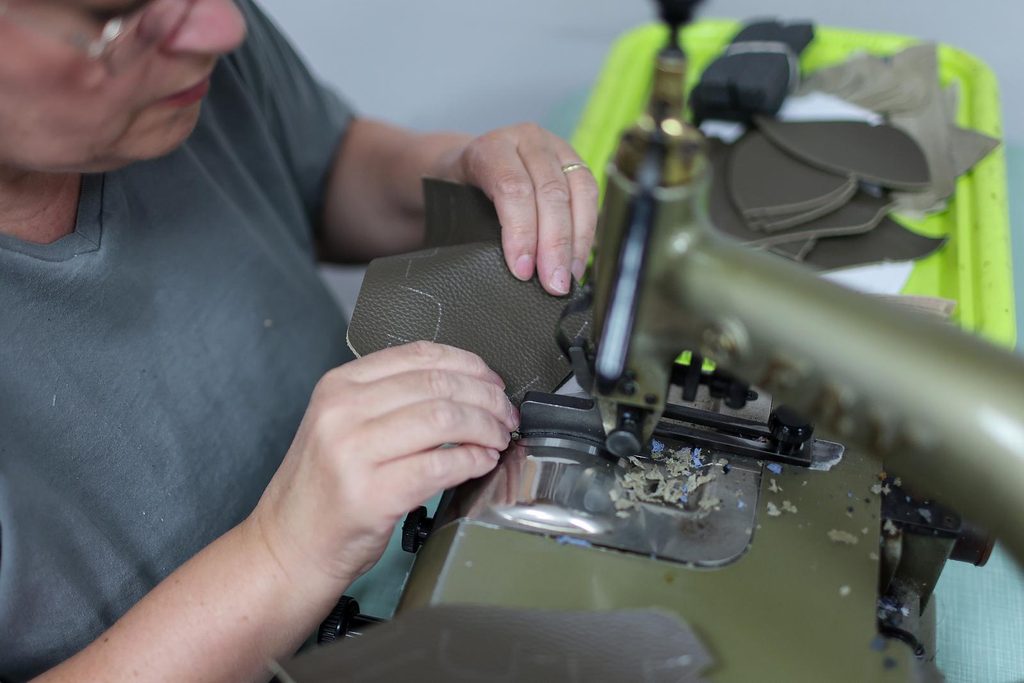
Before industrial footwear flooded the market, Zagreb’s shoemakers (postolari) and bootmakers (čizmari) were among the most respected tradespeople in the entire city. While many have since transitioned into repair shops, a handful of master cobblers still practice the careful, painstaking art of bespoke shoemaking from scratch.
Along Ilica, workshops like Postolar Bočak continue to maintain the rigorous standards of traditional Central European leatherwork. Creating a single pair of handmade shoes requires dozens of individual steps, from carving custom wooden lasts (kalupi) to hand-stitching supple calfskin uppers and natural leather soles. For those seeking sustainable, buy-it-for-life luxury, commissioning a pair of shoes or leather goods in Zagreb connects you directly to generations of ergonomic mastery. These people know that wandering the cobbled streets of the much older parts of the city, such as Upper Town, can take quite the toll on the ankle without the right footwear. So, if you plan to get your steps in while wandering all over Zagreb, this might be the best place to start!
preserving zagreb’s soul in a world full of confusion
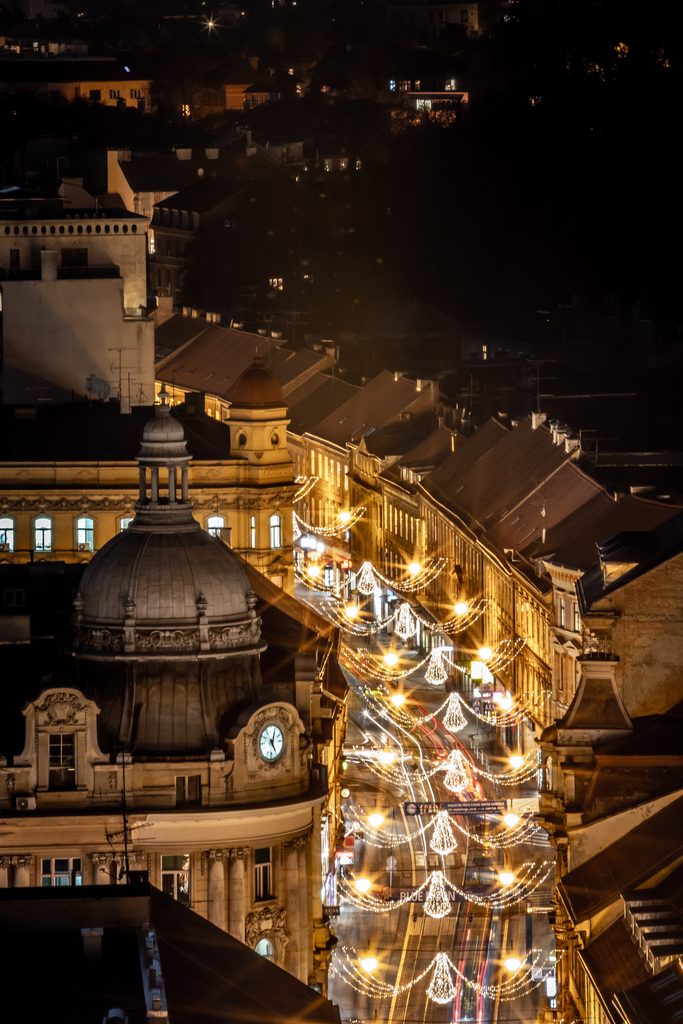
We currently live in a world dominated by rapidly evolving tech, uncertainty and a lot of worries we wouldn’t have had a clue about even a decade ago. Most of us feel that insecurity and desire something to ground us to the good old days. That’s exactly why these workshops matter so deeply to modern Zagreb. They take us back to simpler times, all while anchoring the city’s identity. Through dedicated cultural preservation initiatives championed by the Zagreb Tourist Board and the Croatian Chamber of Trades and Crafts, these fantastic traditional businesses are actively protected as vital cultural assets. Many carry the prestigious “Tradicijski obrt” (Traditional craft) designation. This is a mark of authenticity guaranteeing that the techniques used inside have been passed down through many generations.
For visitors looking to trade mass-produced trinkets (and especially umbrellas and shoes that fall to bits after a few weeks) for genuine stories and something made to go the distance, exploring Zagreb’s old trades is an unforgettable way to spend an afternoon. In an uncertain world moving faster than we can keep up with every single day, Zagreb’s last master craftsmen remind us that the finest things in life, much like the many hidden gems dotted around the Croatian capital itself, are best appreciated slowly.