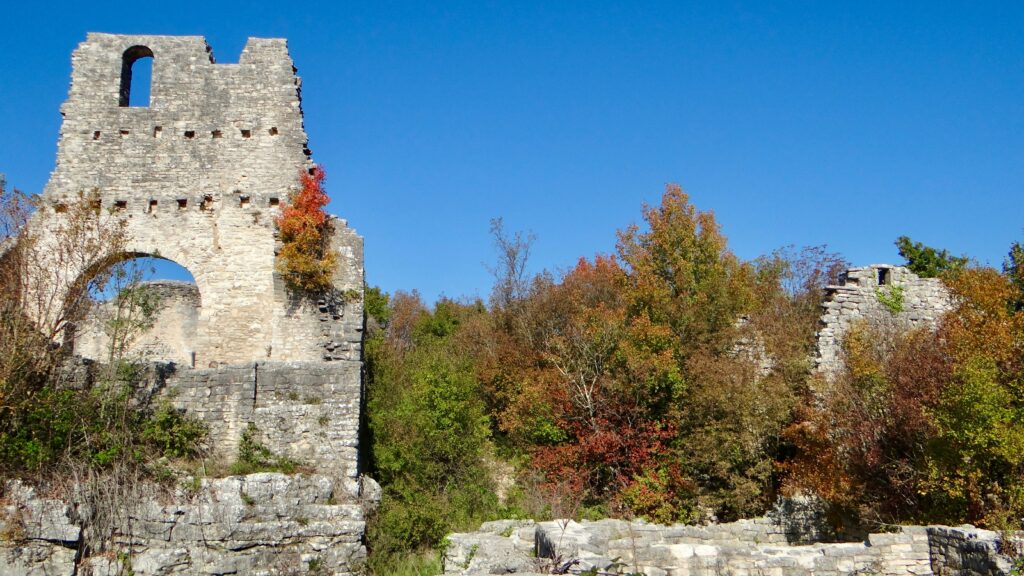
April the 14th, 2026 – Kanfanar isn’t on many people’s radars, but it’s one of the Istrian interior’s hidden gems and even has its very own fjord…
As Putni kofer/Ivana Vasarevic writes, Istria, a beautiful peninsula where Mediterranean nature, rich history and excellent food merge with a mix of Croatian and Italian culture, has been known for decades as one of the most desirable Croatian destinations of all. While many people first think of the dramatic coast and romantic old towns on hill tops, the true heart of Terra Magica lies in its interior. At the point where the green and blue of Istria meet, between Žminj and Rovinj, lies Kanfanar, known for its boškarin (Istrian ox), and one of the most impressive medieval ruins in the entire region.
The municipality of Kanfanar is located in the west of Istria, between the coast and the interior of the country’s largest peninsula. Thanks to this location, you will find a unique combination of rural atmosphere, preserved nature and interesting cultural and historical heritage. The mild Mediterranean climate with around 2,300 hours of sunshine per year makes this area pleasant to visit throughout the year.
In winter, lovers of hunting come there, while spring, summer and autumn are ideal for exploring the endless nature, whether on foot or by bike. A network of excellently maintained trails leads through its densely forested areas and fertile valleys. Kanfanar, however, is also known as a place that carefully preserves ancient Istrian traditions, especially the ones associated with boškarin and fuži (a type of local Istrian pasta).
meet istria’s native ox and taste its local pasta
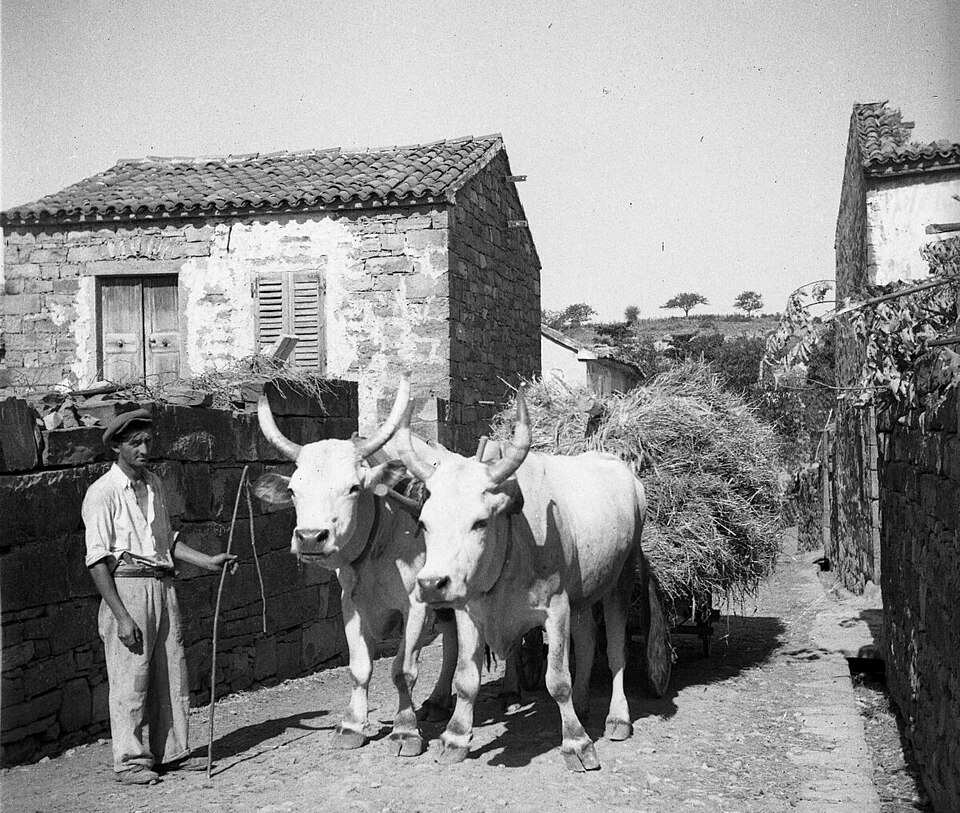
The mighty boškarin, the indigenous Istrian ox, was once indispensable in the life of any Istrian villager. These impressive and large animals, often weighing more than a tonne, are a firm symbol of Istrian identity and the pride of the entire peninsula. It’s precisely in Kanfanar that every last Saturday in July, a unique boškarin festival is held. It is the central event of the largest folk festival of Jakovlje.
After the ceremonial procession, the most beautiful, heaviest and tamest oxen are chosen, and visitors can also watch traditional ploughing as was once always practised across Istria’s fertile fields. In addition to seeing the imposing boškarin, there are also the famous fuži, an Istrian hand-shaped pasta that has become an indispensable part of every holiday table across the region since ancient times. The popular Fužijada is dedicated to it, a gastro show where chefs and hosts present their visitors with a wide variety of dishes featuring this local delicacy.
the settlement destroyed by the black death…
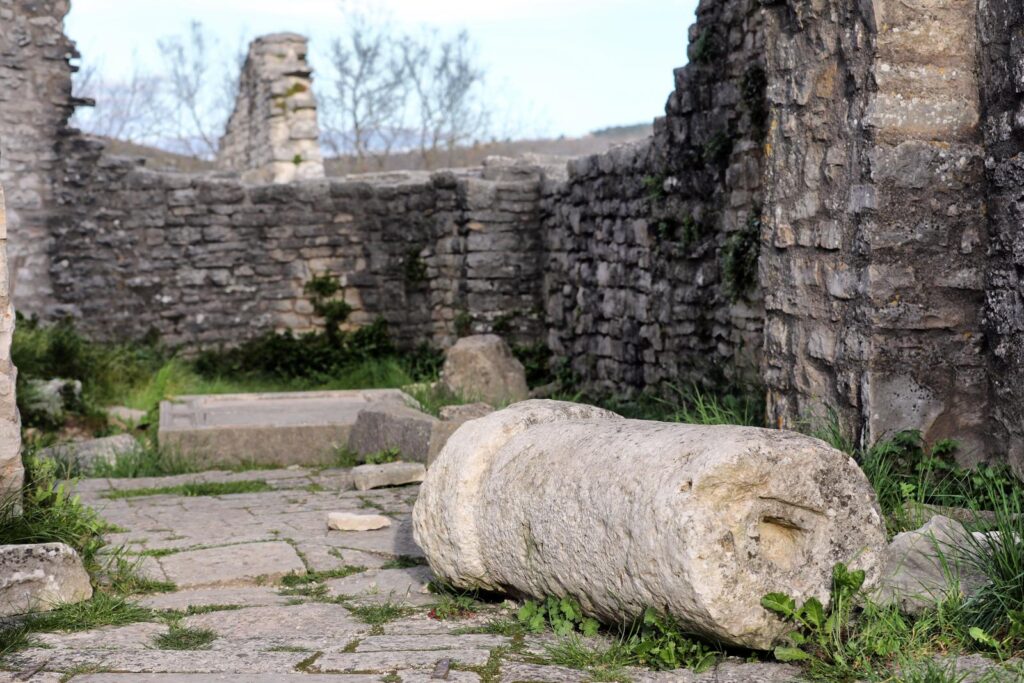
Located in the picturesque Limska draga, which is an exceptionally deep valley that stretches from the Lim Channel all the way to Pazin, deserted Dvigrad was not destroyed by wars, but by infamous black death and malaria epidemics that ravaged Istria throughout the 17th century.
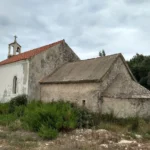
When Dvigrad began to decline, its inhabitants moved to nearby Kanfanar, which had previously been a settlement made up more or less entirely of farmers and shepherds. In the very centre of this Istrian town, the parish church of St. Sylvester stands proudly, built way back in 1696 on the foundations of an older church from the 13th century. Its interior is home to valuable pieces of church furniture from Dvigrad, including a beautiful stone pulpit from the 13th century.
Of particular interest is a copy of the Shroud of Turin, which Catholics around the world consider one of the most important pieces of “evidence” of Jesus’ resurrection. The aforementioned copy is the only certified copy in all of Croatia, and since 2012 it has been stored in this Kanfanar church.
croatia’s own fjord!
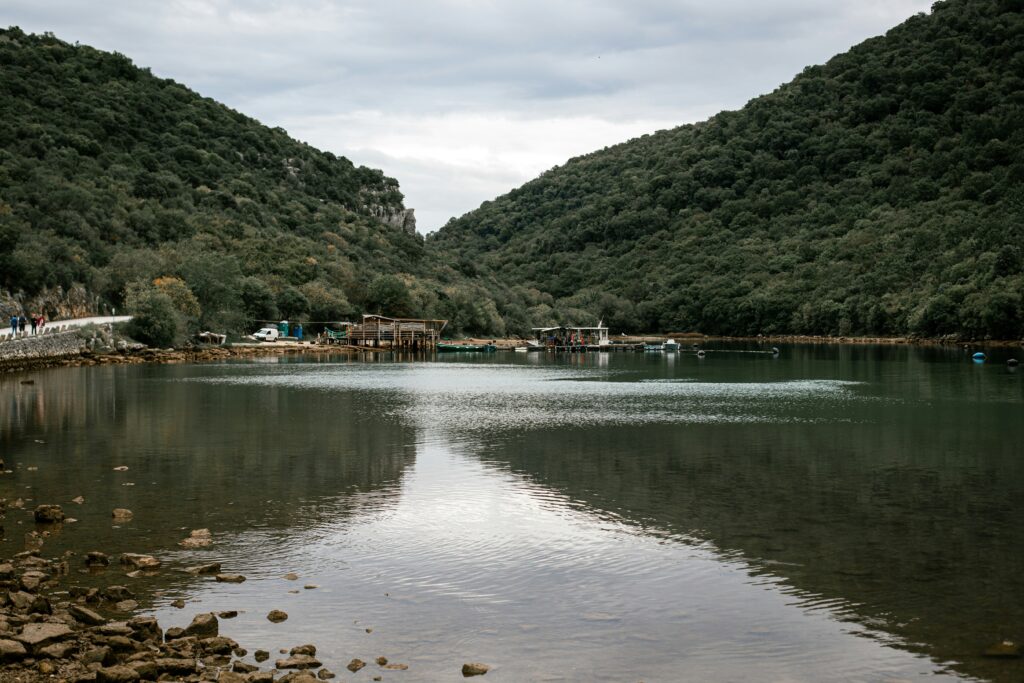
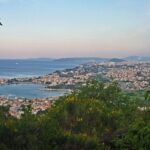
Be sure to visit the Lim Bay (channel), one of the most beautiful natural areas in Istria, known as Croatia’s very own fjord of sorts. It is a submerged canyon valley about ten kilometres long, with impressive (and frightening) steep banks that rise up to 150 metres. Due to the special sea conditions within this concentrated area, mussels and oysters have been grown there for decades, and you can taste them in most restaurants dotted along the gorgeous Istrian coastline.
Lim Bay also served as a film set. Back in 1964, the adventure-action Viking film “The Long Ships” was filmed right there. A real small Viking settlement was constructed, after which the entire bay was affectionately nicknamed the Lim Fjord.