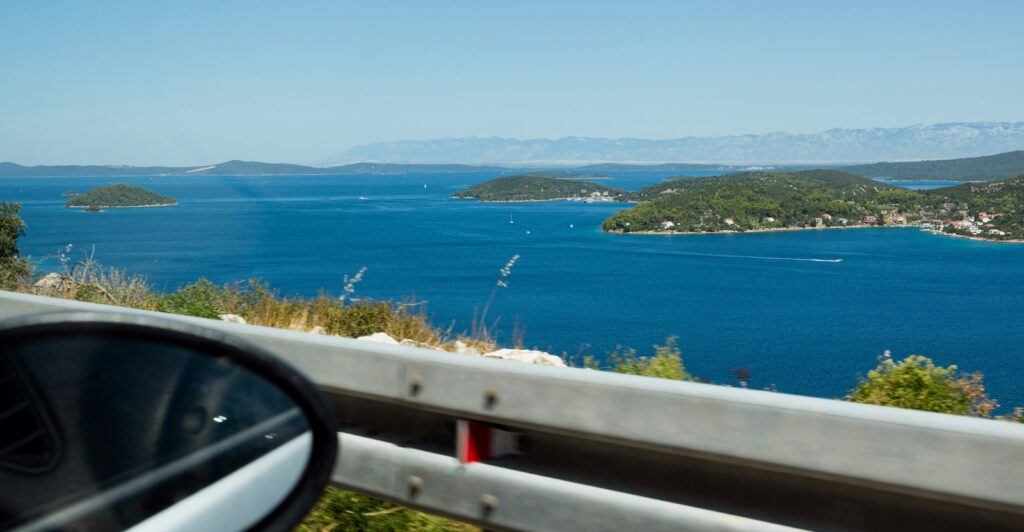
May the 28th, 2026 – Croatia’s infamous old summer border traffic problem has returned. Despite Schengen accession, this is one of the most predictable trends each year.
There are already plenty of reports on early signs of increased congestion at key land entry points, particularly along routes connecting Central Europe to the Adriatic coast. With rising tourist numbers expected again this year, waiting times at borders with Slovenia and Bosnia and Herzegovina could once again become a major frustration for summer travellers.
Even before the height of summer, traffic volumes on Croatia’s main motorway corridors begin to increase noticeably. Routes feeding into coastal destinations such as Split and Zadar typically experience the earliest pressure, especially on weekends. Friday afternoons and Saturday mornings are always the most intense periods, when holidaymakers from Austria, Germany, Slovenia and Hungary begin their journeys south.
slovenia – a key bottleneck despite schengen

For a large share of European tourists driving to Croatia, Slovenia is the main transit corridor. This makes border crossings between Slovenia and Croatia particularly sensitive during peak season. Even small disruptions, increased holiday traffic, accidents or lane restrictions, can quickly result in significant delays stretching back several kilometres. As summer intensifies, these crossings frequently become the first major bottleneck of the Adriatic travel experience.
non-eu, non schengen bosnia and herzegovina remains a big issue
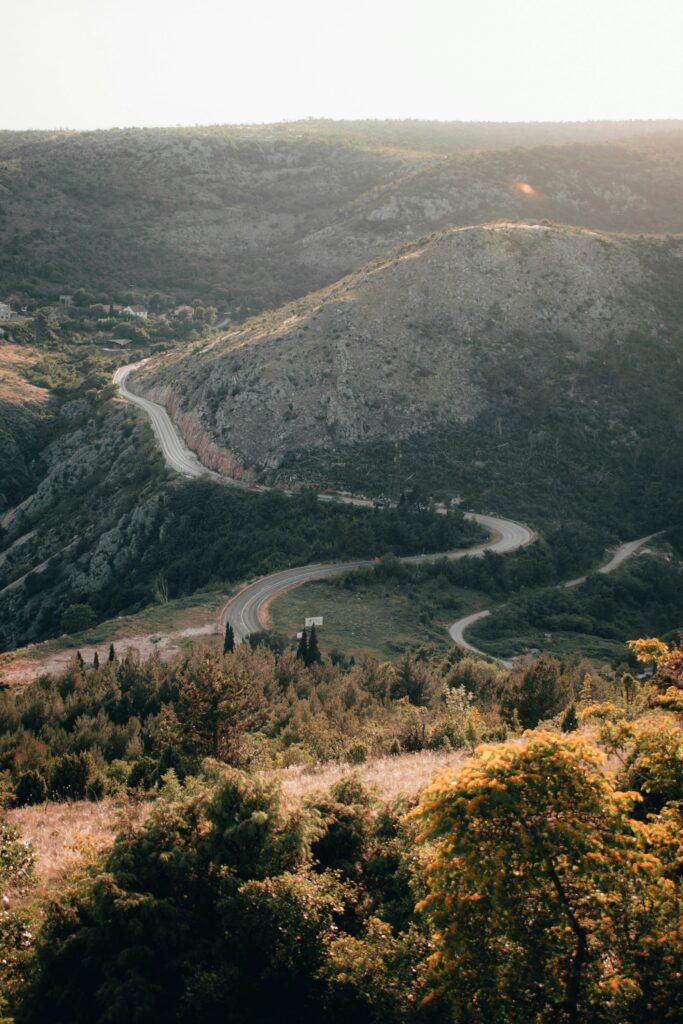
Croatia’s southern border crossings with Bosnia and Herzegovina also experience heavy seasonal movement. These routes are especially important for regional traffic and diaspora travel, adding further volume to already busy systems during peak holiday periods. Multiple travel flows tend to converge at the same time, creating layered congestion patterns.
One of the most consistent patterns in Croatian border traffic is the weekend surge. Many tourists travel in tightly concentrated time windows, typically late Friday departures and early Saturday arrivals. This creates sharp peaks in demand that far exceed normal weekday levels. As a result, border infrastructure can appear overwhelmed even if average daily traffic remains manageable.
Croatia and neighbouring countries have invested in improving motorway networks, border facilities and electronic monitoring systems over the past decade. These upgrades have improved overall flow and reduced delays in many cases. However, it’s worth noting that no infrastructure system can fully eliminate congestion when millions of vehicles converge during the same narrow seasonal window.
The border issue is closely tied to Croatia’s strong dependence on car-based tourism. A large proportion of visitors still arrive by road, particularly from neighbouring European countries. This creates intense seasonal spikes that are difficult to smooth out without changing broader travel patterns. Unlike air travel, road tourism is highly concentrated around specific departure days and times.
the problem with croatia’s image being defined first by delays and long lines
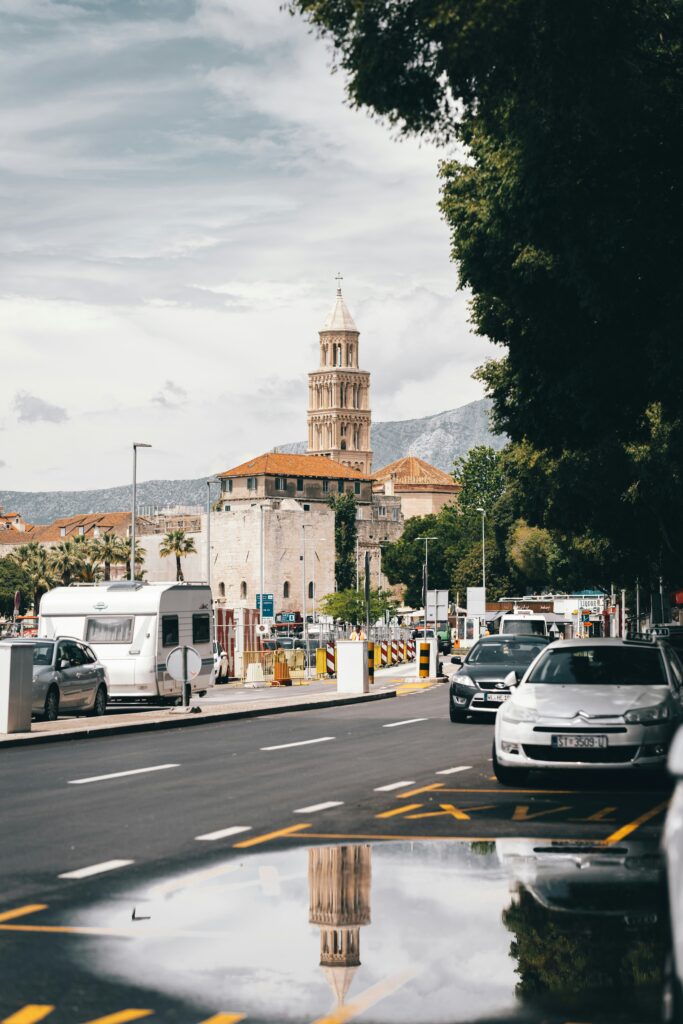
For many visitors, border crossing delays are the first experience of their holiday. Long queues, waiting times and uncertainty can affect traveller perception before they even reach the coast. This is made an even more insufferable experience in the scorching summer sun. Croatian tourism stakeholders increasingly recognise that transport efficiency plays a role in overall visitor satisfaction.
During peak months, border police and transport authorities typically increase staffing and coordinate lane management to improve flow. Additional checkpoints and dynamic traffic control measures are often introduced during the busiest weekends. However, effectiveness varies depending on traffic intensity and external conditions.
a recurring summer problem that shows no sign of vanishing

Despite improvements in infrastructure and coordination, border congestion remains a consistent feature of Croatian summers. As tourism continues to grow, the intensity of these seasonal peaks shows little sign of easing. Once again this year, the journey to the Adriatic may be just as memorable for many visitors as the destination itself, for better or for worse.