
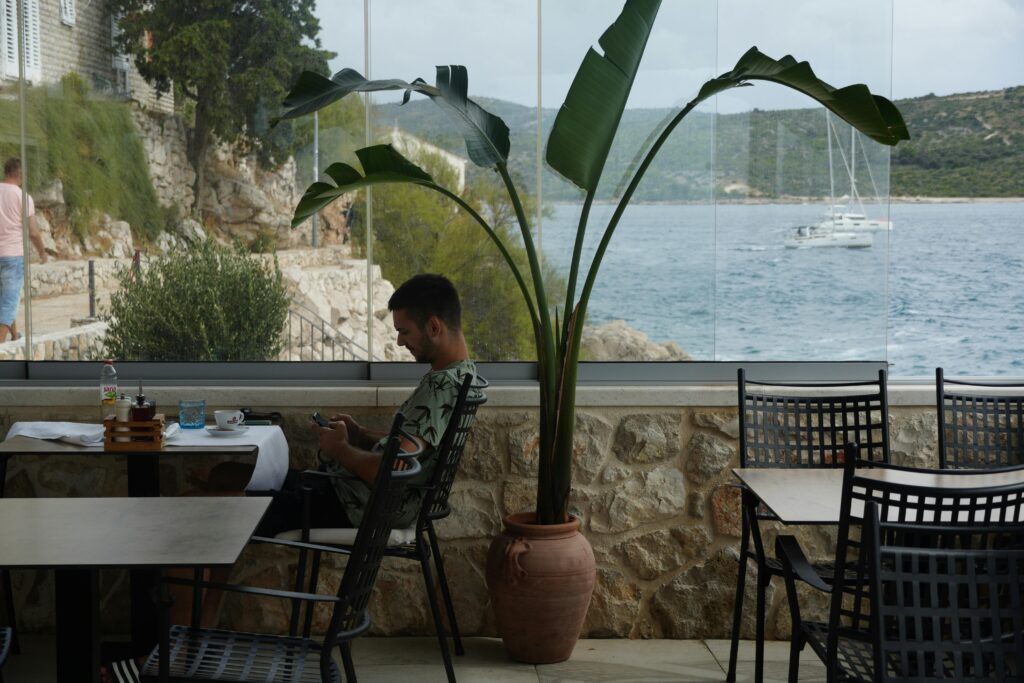
May the 28th, 2026 – Fewer and fewer young Croatians are interested in getting summer tourism jobs, with all of the labour gaps being stopped up by foreign workers.
Hotels, restaurants, cafes and beach bars continue struggling to recruit domestic staff, forcing businesses to rely more heavily on foreign labour ahead of the summer rush. For Croatia’s tourism industry, the issue is becoming more than just a temporary staffing problem.
Tourism remains one of Croatia’s most important industries, especially along the Adriatic coast. Every summer, businesses require enormous numbers of temporary workers for hospitality, accommodation, retail and transport services. For decades, seasonal tourism jobs provided income opportunities for students and younger workers across Croatia. But that relationship is now changing.
young croatians are steering clear of summer tourism jobs
Many younger Croatians view seasonal hospitality work as physically demanding, stressful and financially less attractive than before. Long working hours, temporary contracts and rising living costs in coastal areas are often cited as major reasons why fewer domestic workers are entering the sector. Some younger workers increasingly prefer year-round employment, remote work or opportunities abroad instead.
One of the biggest structural problems is accommodation. In many tourism-heavy coastal destinations, rental prices rise sharply during summer due to visitor demand. This makes it difficult for seasonal workers to find affordable housing close to workplaces. Employers increasingly need to provide accommodation themselves in order to attract staff. Without housing support, some positions become financially unrealistic for younger workers.
imported labour makes up the numbers across the board

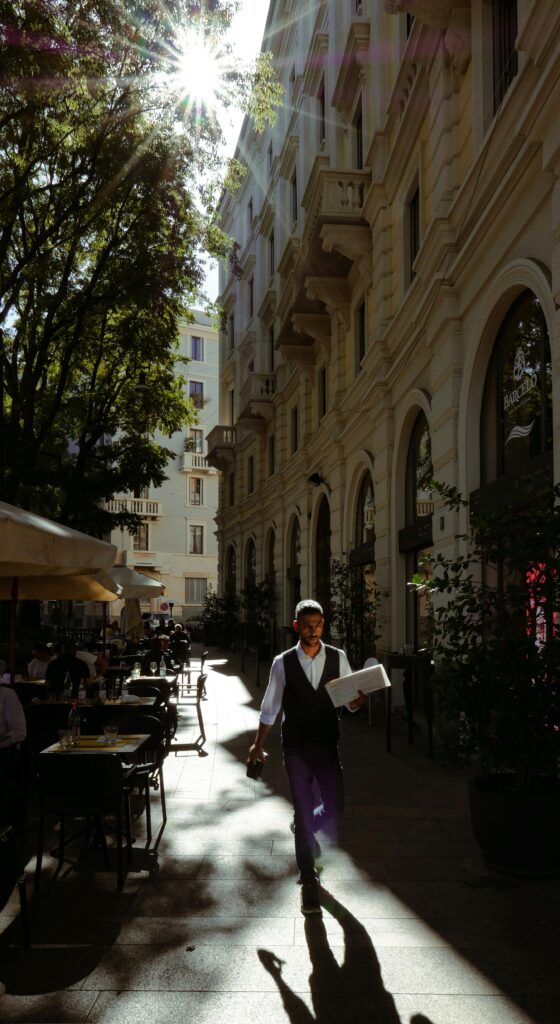
As domestic recruitment becomes harder, Croatian employers are increasingly turning toward international labour markets. Workers from countries such as the Philippines, Nepal, India and Bangladesh now play a major role in Croatia’s tourism workforce. In some coastal areas, foreign workers are becoming essential to maintaining normal summer operations. This change is being increasingly framed as a long-term structural shift rather than a temporary solution.
The issue also reflects broader generational changes. Younger workers across Europe increasingly prioritise work-life balance, stability and predictable schedules. Traditional seasonal tourism jobs, often involving long hours during intense summer peaks, no longer appeal in the same way they once did. Croatia is now experiencing that wider European labour trend more and more.
The irony is that Croatia’s tourism success is partly causing the problem. As visitor numbers continue rising, businesses need more workers than ever before. However, serious competition for labour is also intensifying, especially in destinations where hundreds of employers simultaneously recruit for summer operations. This creates upward pressure on wages and staffing costs.
In response, some Croatian tourism companies are improving working conditions, increasing salaries and investing more heavily in employee accommodation. Others are extending recruitment internationally or trying to retain workers year-round instead of seasonally. The labour market is gradually forcing adaptation.
the trend exposes the vulnerability of smaller destinations

Large hotel groups and established tourism operators often have more resources to attract staff. Smaller restaurants, cafes and family-run businesses, however, can struggle far more with seasonal recruitment. In some destinations, staffing shortages are already affecting opening hours and service quality during peak season.
Behind the tourism staffing issue lies a much larger demographic challenge. Croatia has experienced years of emigration and population decline, especially among younger age groups. This means there are simply fewer domestic workers available overall compared to previous generations. The tourism labour shortage therefore reflects wider national demographic pressures.
For Croatia’s tourism industry, solving the labour issue is becoming increasingly urgent. The Adriatic continues attracting huge visitor numbers, but maintaining service quality requires stable staffing systems. As another summer approaches, there is a strong suggestion that the future success of Croatian tourism may depend not only on attracting tourists, but on whether there are enough people willing to work through the season once they arrive