July the 14th, 2026 – Croatia is beginning its battle for every visitor, according to the Croatian National Tourist Board chief. Pricing and competitiveness remain key issues as we head into the very peak of the season.
Croatia welcomed an incredible 7.6 million tourist arrivals and recorded 29.5 million overnight stays during the first six months of 2026. That sum matched the record figures achieved during the same period last year, according to data from the national eVisitor tourism registration system. Index reports that the aforementioned figures cover commercial and non-commercial accommodation, as well as nautical charter tourism.
27.1 million overnight stays on the adriatic coast
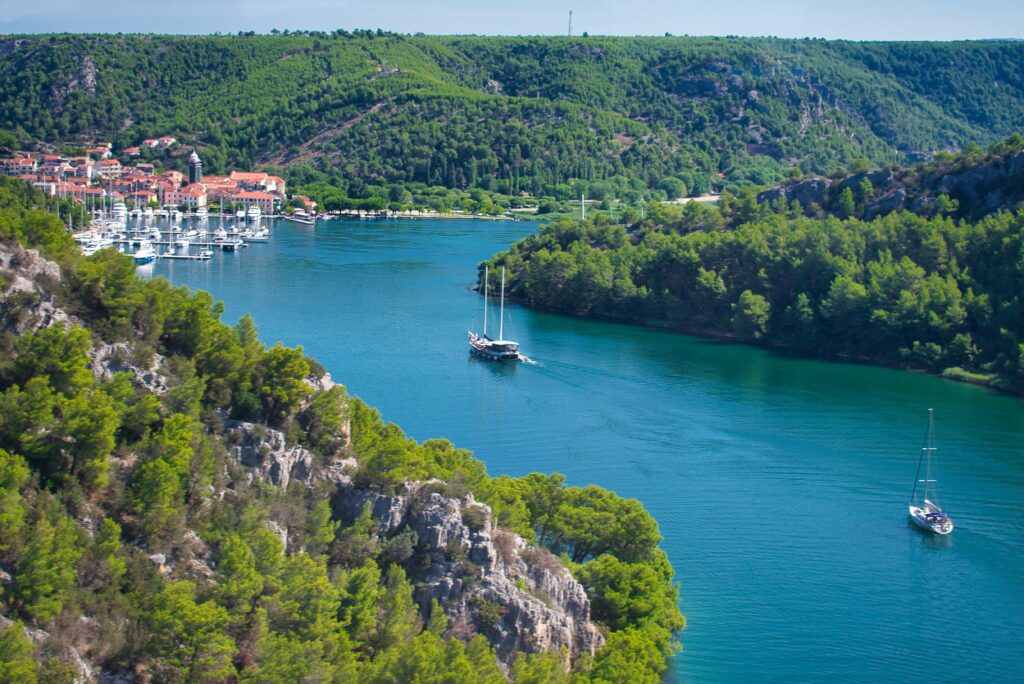
The Adriatic coast accounted for 27.1 million overnight stays, maintaining last year’s level, while continental Croatia, including Zagreb, recorded 2.4 million overnight stays, representing a one percent increase. Early, unofficial figures also indicate a positive start to the peak summer season, with tourist arrivals during the first nine days of July up around two percent compared with the same period in 2025.
Germany remained Croatia’s largest source market with 5.6 million overnight stays, followed by domestic travellers (4.2 million), Slovenia (2.9 million), Austria (2.5 million), Poland (1.6 million), the United Kingdom (1.4 million), the Czech Republic (1.1 million), and the United States with one million overnight stays. Hotels continue to outperform other accommodation types, accounting for 47 percent of tourist arrivals despite representing only 14 percent of commercial accommodation capacity. Private accommodation, which makes up more than half of Croatia’s commercial capacity, generated 27 percent of arrivals.
a weaker june caused no issues

Despite weaker results in June compared with last year, Croatian National Tourist Board (HTZ) Director Kristjan Staničić said there was no cause for concern. He attributed the softer month to differences in the timing of public holidays and school vacations across Croatia’s key tourism markets, particularly Germany and Austria.
“When we look at the cumulative figures, which are the most important indicator, we have matched last year’s pre-season results, and that pre-season was a record one. There’s no reason for concern, only satisfaction,” Staničić said.
should croatia be judged solely on its prices?
Addressing concerns over Croatia’s prices, Staničić argued that the country should not be judged solely on cost.
“Croatia is neither too expensive nor cheap. The key issue is value for money, whether visitors receive the quality they expect for the price they pay,” he said, adding that much of the tourism sector had responded to calls to adjust prices in line with demand. He also noted that last-minute bookings have become increasingly common this year, with price playing a decisive role in travellers’ destination choices.
Staničić acknowledged that many visitors staying in private accommodation regularly compare supermarket prices in Croatia with those in their home countries, often finding some products to be more expensive.
flexibility is needed

“Everyone involved in tourism must remain flexible when setting prices,” he said, stressing that competitiveness extends beyond accommodation rates to the overall visitor experience and everyday costs.
Looking ahead to the height of the summer season, the HTZ chief said booking trends remain encouraging but warned that competition between Mediterranean destinations is intensifying.
“Bookings are good, but according to information from the field, the battle for every guest lies ahead during the peak of the season. I believe we will respond successfully to all the challenges and ultimately have another strong tourism year,” Staničić concluded.