May the 28th, 2026 – The country is home to plenty of world famous beaches, but Croatia’s hidden beaches, coves and bays are trending on TikTok once again.
Within weeks, and sometimes days, that same idyllic location can suddenly become crowded with visitors carrying phones, drones and beach umbrellas. According to growing Croatian-language tourism and lifestyle reporting, social media platforms such as TikTok and Instagram are increasingly reshaping how tourists discover, visit and experience the Adriatic coast. In some cases, viral exposure is transforming previously unknown beaches into major seasonal hotspots almost overnight.
Hidden beaches are becoming harder to keep hidden

For years, Croatia’s tourism appeal partly relied on discovery. Travellers searched for isolated coves, quiet swimming spots and lesser-known islands away from major tourism centres. Now, however, social media algorithms are accelerating visibility at unprecedented speed. A single viral post can expose previously local or relatively unknown locations to millions of viewers globally. There are now trending videos about beaches that were once considered “hidden gems”, which no longer are.
TikTok’s algorithm gods reward visually dramatic locations

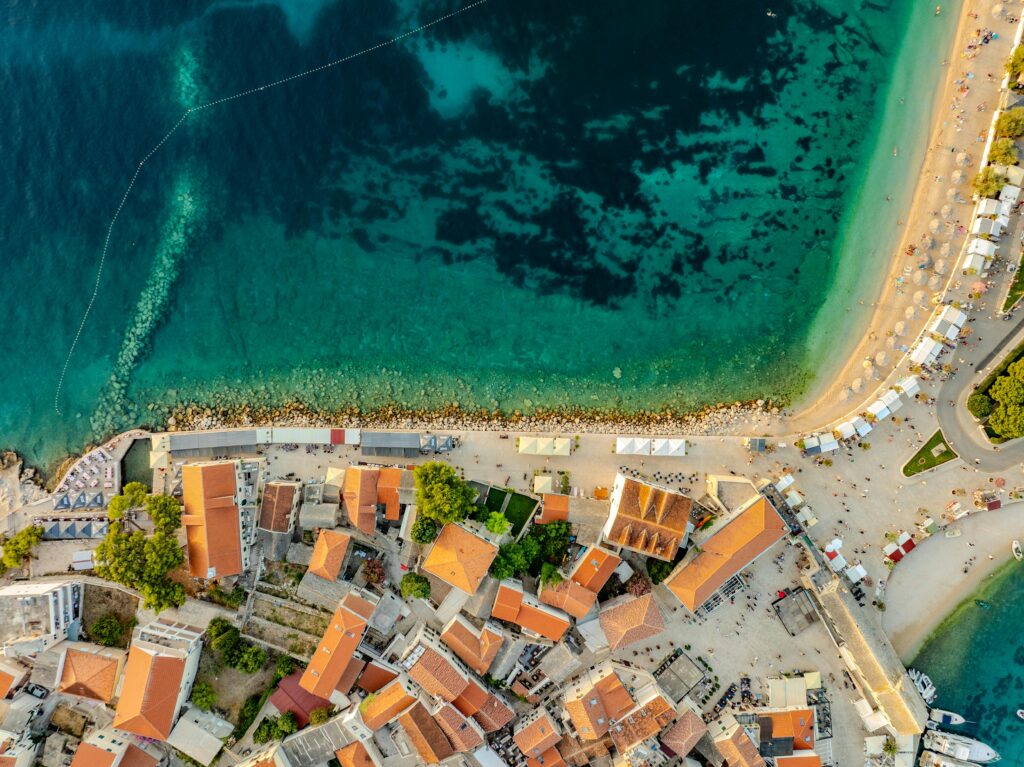
Croatia is particularly vulnerable to this trend because its coastline is extremely photogenic. Turquoise water, cliffs, stone villages and compact beaches create ideal short-form visual content for platforms built around fast, eye-catching imagery. As a result, many Adriatic locations perform exceptionally well online. The problem is that visually perfect beaches are often physically small and environmentally sensitive.
When a location goes viral, local infrastructure often cannot adapt quickly. Parking shortages, waste problems, traffic congestion and overcrowding can appear within a single season. There are plenty of cases where small beaches or island areas suddenly receive far more visitors than originally intended. In some destinations, locals say social media exposure changed the atmosphere completely.
the age of influencer tourism

Tourism businesses increasingly understand the commercial value of viral exposure. Restaurants, bars, beach clubs and accommodation providers now actively design spaces with “Instagrammability” in mind. A location that performs well visually online can generate enormous tourism visibility without traditional advertising. This has changed how parts of the Adriatic tourism industry market themselves.
Younger travellers especially now rely heavily on TikTok, Instagram Reels and creator content instead of traditional travel guides. Rather than searching broadly for destinations, many visitors arrive with highly specific viral locations already saved on their phones. This concentrates tourist movement toward a smaller number of visually recognisable spots.
The upside is clear, and that’s that social media continues dramatically increasing Croatia’s international tourism exposure. Locations that once depended mainly on regional European tourism are now reaching global audiences instantly. For smaller destinations, viral attention can generate significant economic benefits and international recognition.
At the same time, there are concerns as to whether viral tourism changes the very places people originally found attractive. Quiet beaches become crowded. Small villages become content backdrops. Natural spaces become filming locations. Some locals worry that constant online exposure encourages fast, surface-level tourism rather than slower engagement with destinations.
environmental pressures are only growing

The environmental consequences are also attracting attention. Fragile coastal ecosystems, cliffs and protected areas can struggle with sudden visitor surges, especially when infrastructure was never designed for mass tourism. Authorities in some European destinations have already introduced restrictions linked directly to viral tourism exposure. Croatia may increasingly face similar conversations.
Ultimately, TikTok is not creating Croatia’s popularity, it is accelerating and concentrating it. The Adriatic remains one of Europe’s most visually powerful coastlines, and modern social media is designed to amplify exactly that kind of scenery. However, the result is a tourism landscape that moves faster, changes faster and becomes crowded faster than ever before.
In the past, Croatia’s hidden beaches spread slowly through word of mouth. Now they spread globally through algorithms. As another summer begins, it seems that some of the Adriatic’s biggest tourism trends may no longer be shaped only by travel agencies or guidebooks, but internet virality.