
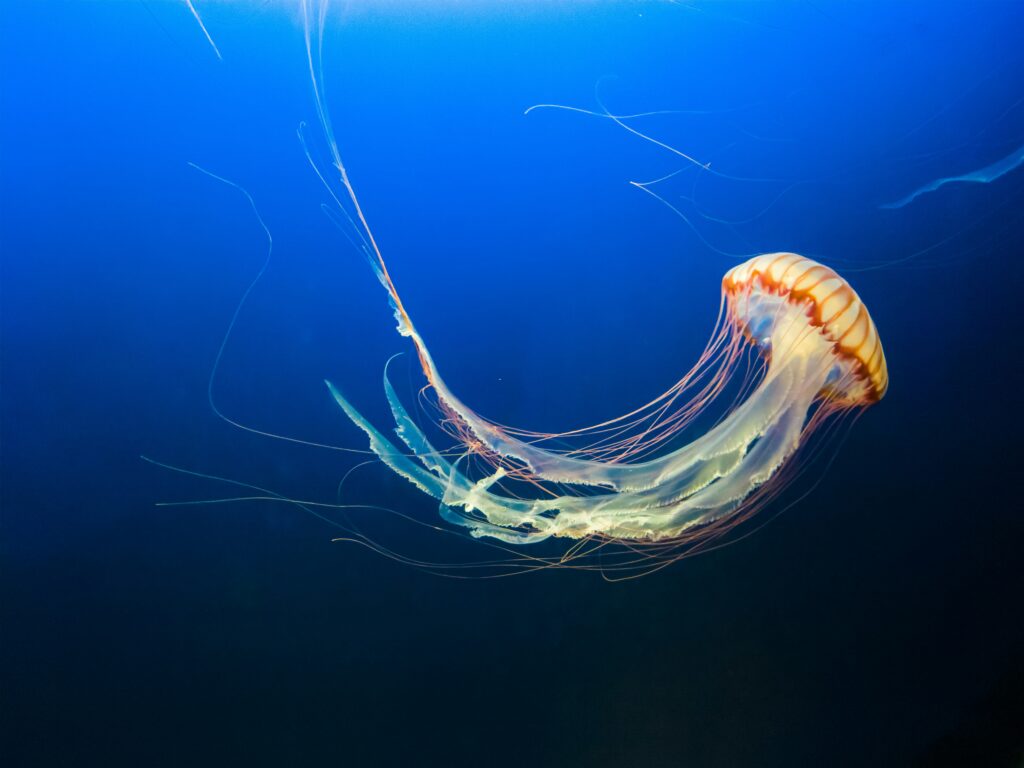
July the 15th, 2026 – Croatian scientists from Rovinj have managed to turn jellyfish into sustainable fertiliser, transforming a common summer nuisance into something incredibly useful.
What many swimmers see as an unwelcome summer issue packed with a painful sting could soon become a valuable agricultural resource. Index reports that Croatian scientists working at the Ruđer Bošković Institute’s Centre for Marine Research in Rovinj are developing an environmentally friendly fertiliser made from jellyfish, transforming one of the Adriatic’s growing ecological challenges into a highly useful product.
This fascinating project focuses on converting jellyfish biomass into organic fertiliser that could be used in agriculture instead of being treated as mere waste. Jellyfish are extremely rich in organic compounds and nutrients, making them a promising raw material for sustainable fertiliser production while also helping to reduce the environmental impact of increasingly frequent jellyfish blooms.
Researchers say climate change and rising sea temperatures are contributing to larger, problematic jellyfish populations across parts of the Mediterranean, including the Adriatic Sea. Instead of simply removing the animals from the sea, the team is exploring ways to incorporate them into a circular economy, where biological material is reused rather than discarded.
The fertiliser is currently being tested to assess its effectiveness on different crops and to ensure it meets environmental and agricultural safety standards. If successful, the research could provide a dual benefit—helping manage jellyfish blooms while creating a sustainable alternative to conventional fertilisers.
Scientists believe the project demonstrates how marine research can turn environmental challenges into practical solutions, offering new opportunities for both coastal ecosystem management and greener agriculture.