May the 20th, 2026 – Croatia’s gorgeous Opatija in Kvarner is often referred to as Vienna by the sea, and it’s the very birthplace of organised Adriatic tourism.
Opatija is widely known as one of Croatia’s most elegant coastal towns, Putni kofer writes that this Kvarner gem is a destination teeming with grand Austro-Hungarian villas, long, romantic seaside promenades and plenty of historic hotels. Behind its polished image lies a far older and more layered history, stretching from medieval religious roots to its transformation into one of Europe’s earliest seaside resort destinations.
opatija, abbazia, or the abbey
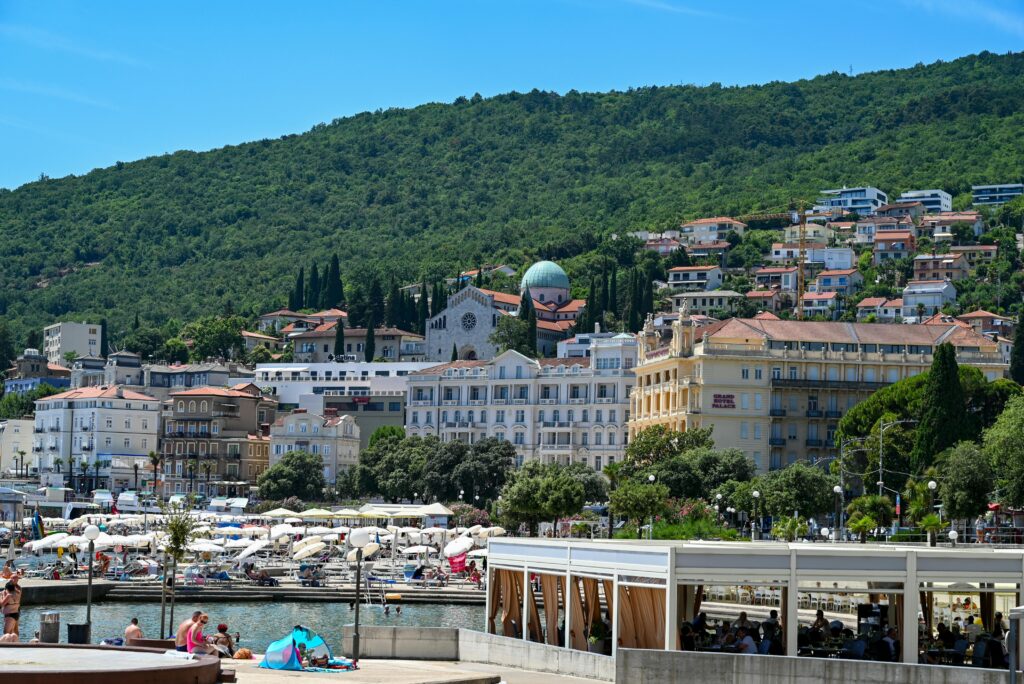
The very name Opatija comes from the Croatian word for “abbey”, a direct reference to the Benedictine monastery dedicated to Saint James that once stood in the area. In Italian, it’s called Abbazia, showcasing the very literal translation and use of the name. The early settlement grew around this religious complex, which is considered the symbolic and historical origin of the town. Even today, the Church of St. James remains one of Opatija’s most important landmarks.
from a little fishing settlement to a seaside escape for the elite
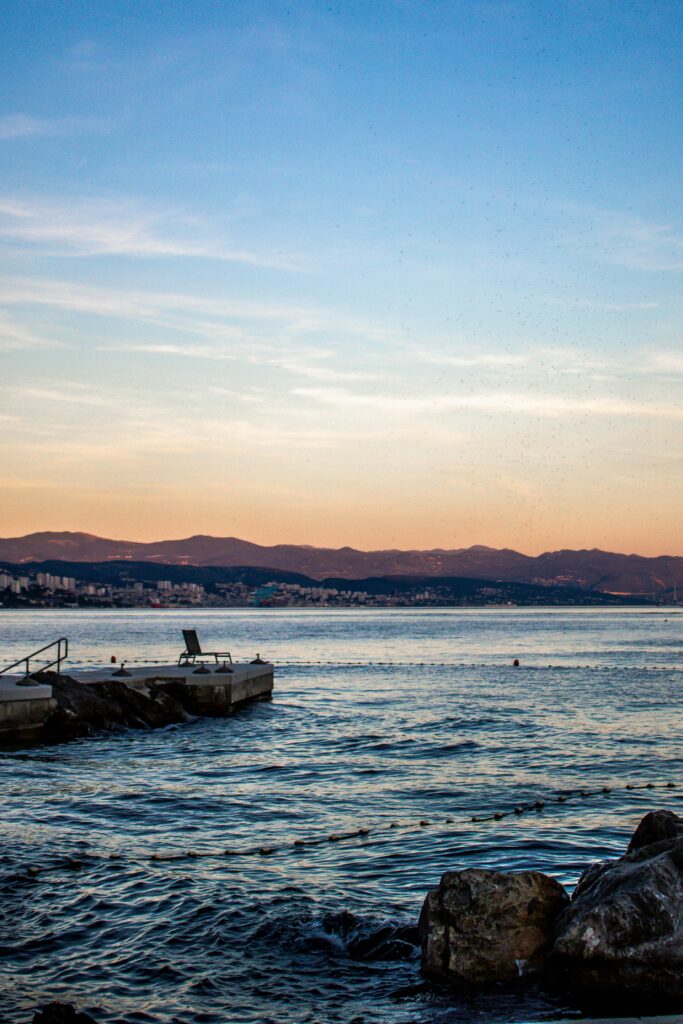
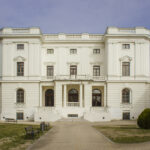
For centuries, Opatija remained a small coastal settlement, largely focused on fishing and local life, as was the case for all of Croatia’s heavily indented coastline. Fish and agriculture were the area’s bread and butter, with little else remotely as important economically. That all began to change (and rather drastically) back during the mid-19th century when wealthy individuals from nearby Rijeka started constructing very fancy, large summer residences in the wider Opatija area. One of the most important early developments was Villa Angiolina, constructed in 1844. The building is often considered the starting point of Opatija’s modern tourism history.
Its surrounding park, landscaping and seaside location quickly attracted attention from the Austro-Hungarian elite, setting the stage for a much larger transformation. The real turning point came with improved transport connections in the late 19th century.
When the Southern Railway line linked the region more directly with Vienna and Central Europe, Opatija became significantly more accessible to aristocratic visitors seeking a mild coastal climate. Soon after, grand hotels and infrastructure began to appear, including early luxury developments that would define the town’s architectural identity for many decades to follow.
official recognition as a health resort

A decisive moment in Opatija’s rise came in the year 1889, when it was officially declared a health resort (Kurort) by the Austro-Hungarian authorities. This recognition confirmed what was already happening in practice: Opatija had become one of the empire’s most fashionable seaside destinations, attracting visitors from across Europe in search of health, relaxation and status. By the late 19th century, it was firmly established as one of the leading coastal resorts of the then Austro-Hungarian Riviera.
As tourism expanded, Opatija gained a reputation as a sophisticated retreat for Europe’s elite. Writers, aristocrats, artists and even members of imperial families visited the town, drawn by its combination of mild climate, landscaped parks and elegant architecture. It became part of a wider cultural phenomenon along the Adriatic coast, where seaside health tourism and aristocratic leisure defined a new kind of travel culture.
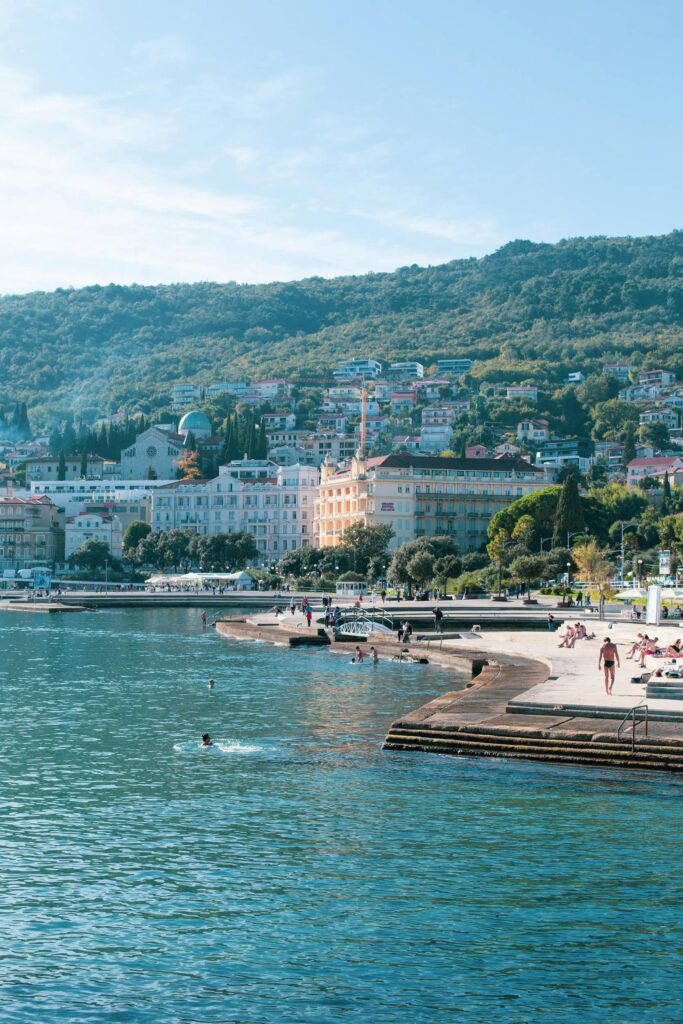
Despite very turbulent political and historical changes that unfolding over the course of the tumultuous 20th century, much of Opatija’s Austro-Hungarian heritage remains intact to this very day. Stunning historic hotels, grand villas, coastal promenades and landscaped parks continue to shape the town’s identity, making it one of the Adriatic’s most distinctive urban environments.
Today, Opatija is both a living resort and an open-air historical archive. It’s a place where medieval religious origins and imperial-era tourism development still sit side by side. From a small monastic settlement to a fishing village, and later to one of Europe’s earliest organised seaside resorts, Opatija’s history is defined by transformation. Even now, over a century after its initial tourism boom began, the town continues to evolve, balancing heritage, tourism and modern Adriatic identity in one of Croatia’s most recognisable coastal destinations.