April the 29th, 2026 – If the word “Zagorje” still conjures up associations with old dilapidated houses and sour wine – it’s high time you head to this fabulous destination and see just how outdated those old associations are. The Zagorje hills are now well and truly on the wine map – and with very good reason.
The beautiful, rolling Zagorje hills are clearly progressing and becoming an unmissable tourist destination in continental Croatia. Indigenous gastronomy and incredible locally produced wine play a major role in this, among which sparkling wines and indigenous varieties stand out in particular.
the pioneers of zagorje wine tourism
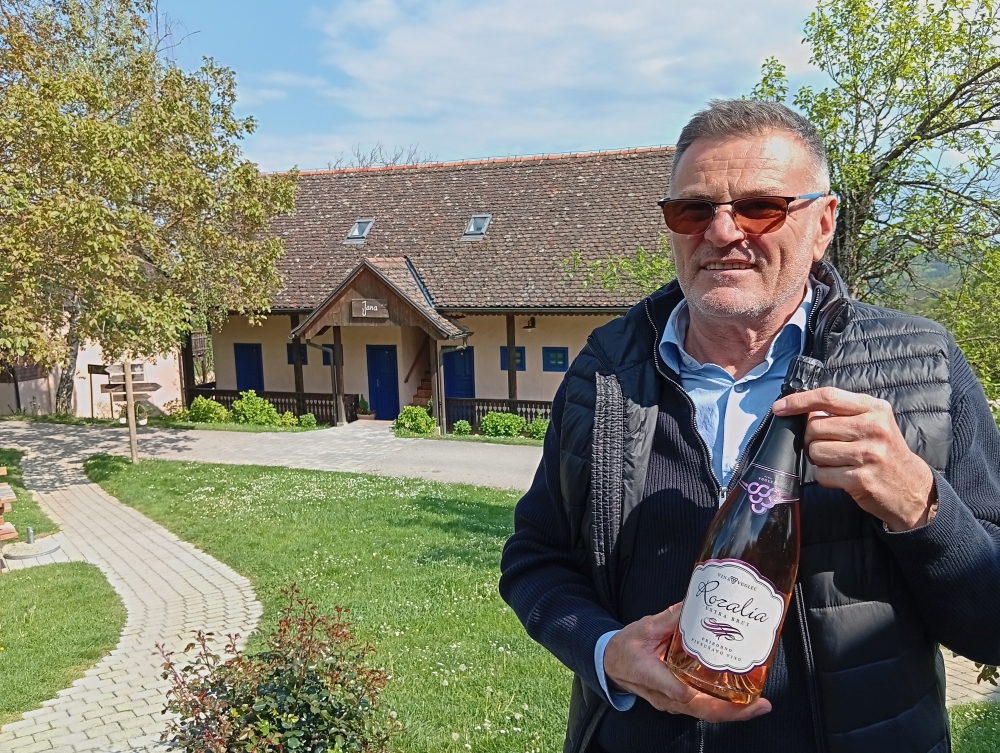
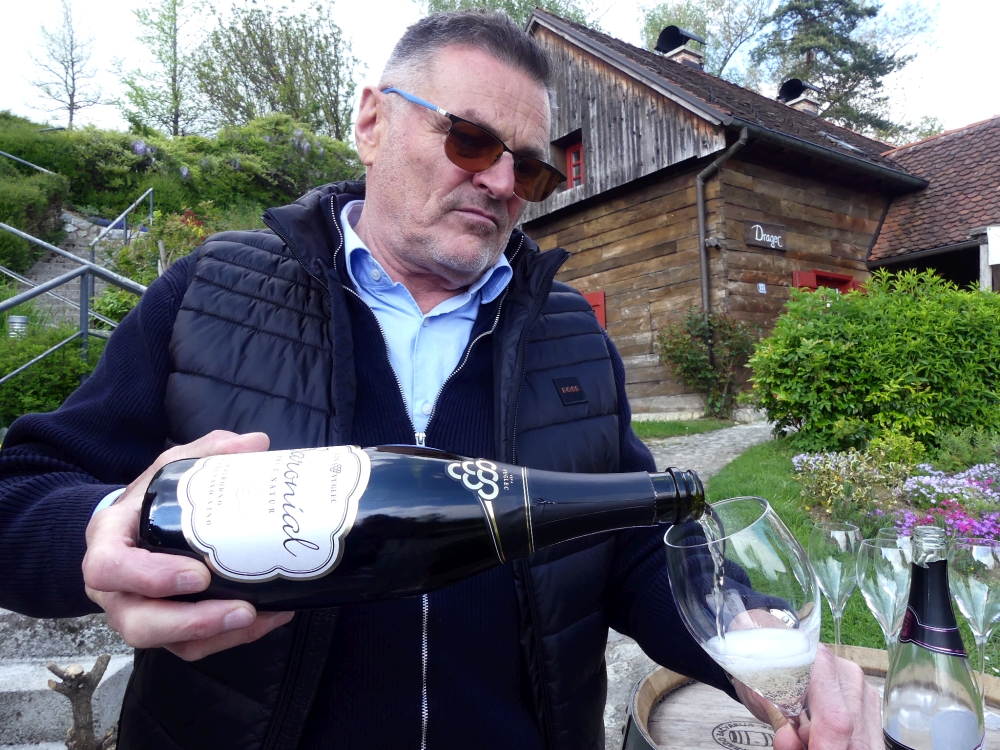
Two wine giants from this gorgeous part of Croatia can take a great deal of credit for the development of wine tourism in this region – Boris Vuglec and Tomislav Bolfan. Unlike many of his peers who left their native Zagorje back during the early 2000s and sought better opportunities for themselves in Zagreb and elsewhere, Boris made a brave decision – to build an “empire” on his family estate in the village of Vugleci. It wasn’t easy at all at first, because just buying up the fragmented land took two years, but today he is the proud owner of the most well known Zagorje resort.
The vineyards, which produce fantastic sparkling and still wines, span an area of 12 hectares, while the houses and cellars have been converted to accommodate guests. The old farm building houses a restaurant with delicious, traditional food, as well as a meeting room where business events are often held. There are also sports fields, a heated outdoor pool and a sunbathing area with the most beautiful view you could picture.
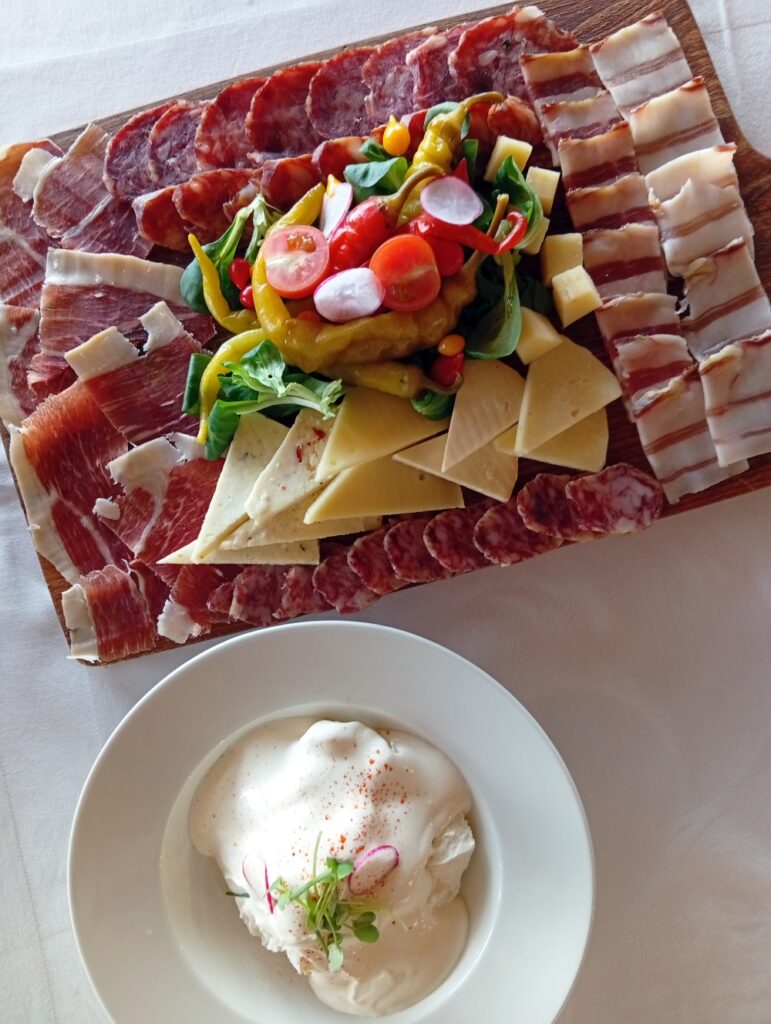
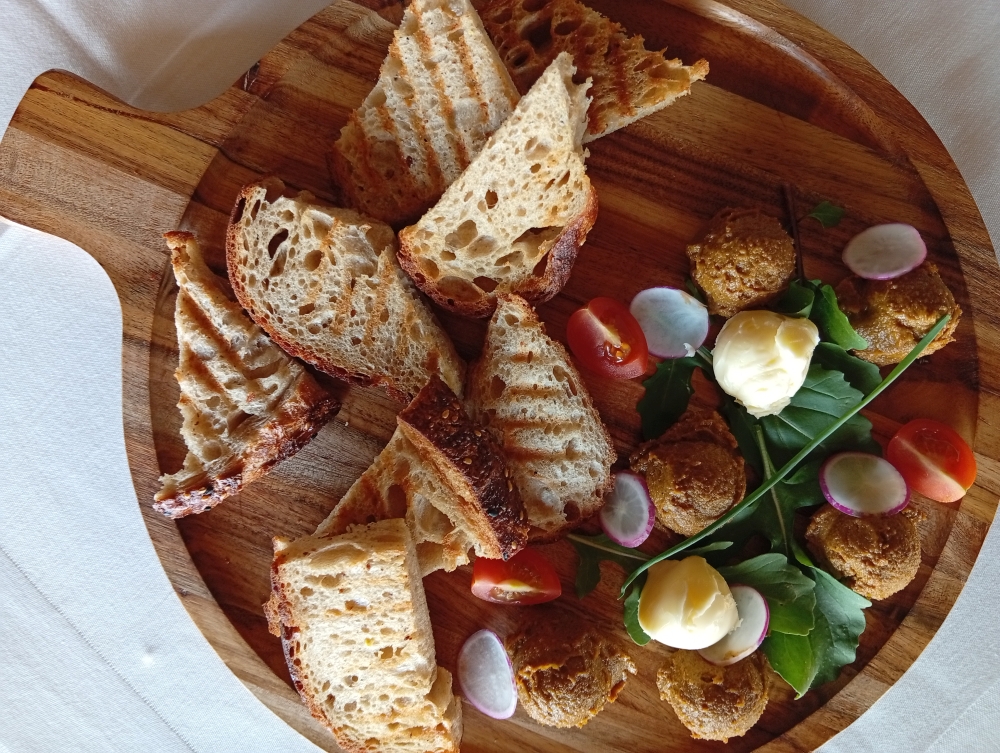
If you decide to spend a weekend at Vuglec Breg, be sure to come hungry. This is because it’s simply impossible to decide on trying out just one dish. Homemade duck liver pâté, turkey or duck with mlinci, veal peka, homemade salad, štrukli, strudel… they’re all just a small part of the offer, but enough to make your mouth start watering at the very thought.
Food aside (for a second, anyway), lets get to the other thing Zagorje does best – wine. The only question here is where one starts! The house’s signature is its amazing sparkling wines, which come in as many as six labels, in varieties from brut nature to demi sec. There are also still wines, including Sauvignon Blanc, Rhine Riesling, Graševina, Chardonnay, Pinot Noir and Cabernet Sauvignon. The stylistic signature of all Vuglec wines is the work of Jasminka Šaško, one of the best oenologists in all of Zagorje.
On the other side of Zagorje lies Bolfan vinski vrh, a place where the coexistence of man and nature is nurtured. Tomislav Bolfan, a successful entrepreneur and electrical materials trader, felt that the area should be the focal point of his new start, and from the very beginning, he opted for an ecological production method and a low intervention model. With a production of around 100,000 bottles per year, he quickly positioned himself as one of the most important winemakers in Bregovita Hrvatska, and his drinkable, affordable, but expertly made wines were all more than well received by the audience.
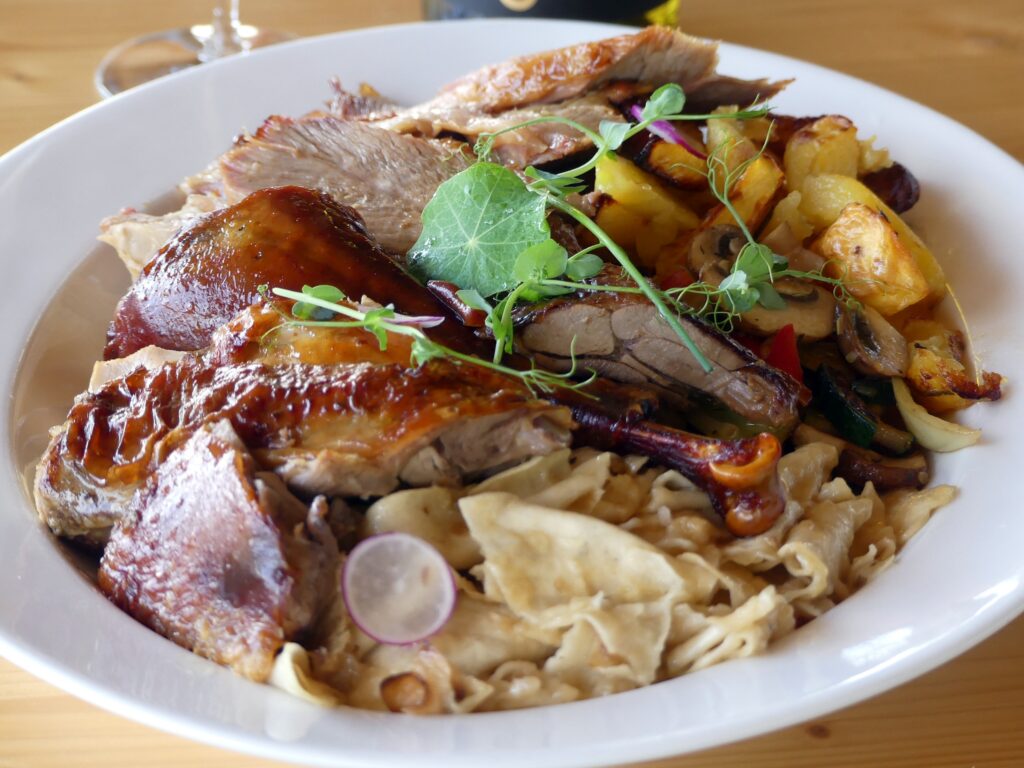
Bolfan vinski vrh offers refined cuisine in which the aesthetics of the plate and the quality of the ingredients are equally cherished. It’s therefore best to indulge in a guided tasting through five (and sometimes ten) courses of food and wine. The food changes seasonally, so if you want to try the spring menu – which includes, for example, bruschetta with dry smoked meat spread, salad, pickled vegetables and pumpkin oil mayonnaise, homemade beef soup, pork fillet with barley and mushroom sauce with buttered vegetables, rib-eye steak with baked potatoes and cheese croquettes and homemade cheesecake – then definitely head to Zagorje this weekend! More recently, Bolfan vinski vrh has also offered a seminar room with a capacity of up to 70 people, which is located – no less – above the cellar where the sparkling wines are aged. If you don’t do business there, well… we can say with some confidence that you’ll hardly manage it anywhere else.
New tasting rooms, old varieties
Robert Kopjar, whose new winery is located in the small town of Pece, on the border of Krapina-Zagorje and Varaždin counties, has also decided on an ecological approach. The Kopjar winery immediately attracted attention upon its arrival on the market with the exceptional quality of its Rhine Riesling and Sauvignon Blanc. The persistence of this quality today, a whole decade later, has been well and truly confirmed by the gold and silver medals won at the prestigious international competition Concours Mondial de Bruxelles Sauvignon Selection 2026, in which more than 1,000 samples participated.
In addition to Sauvignon Blanc and Riesling, the Kopjar vineyards also grow green Silvaner, Graševina, Yellow Muscat, Chardonnay, Manzoni, Cabernet Sauvignon and Pinot Noir. Soon, they will also include Starohrvatska Belina, an indigenous Zagorje variety which underwent an intense revitalisation process back in 2006. Today, it is planted in several renowned Zagorje wineries with the aim of commercialisation.

The greatest credit for the revitalisation of the Old Croatian White goes to the Vitus winery, located in Sveti Križ Začretje, which, in cooperation with the Faculty of Agriculture in Zagreb and with the support of Krapina-Zagorje County, entered this extremely important project. The Old Croatian White is called Casanova among varieties, because it has been proven that it is the parent of 80 significant world grape varieties, including Chardonnay, Riesling and Frankovka. Back at the very beginning of the 21st century, it was on the verge of extinction and was saved precisely thanks to this project.
In addition to the old Croatian white wine, the revitalisation project also included other indigenous varieties that hail from Zagorje, such as Volovina reda, Kosovina blue, Belina svetokriška, Dišeča ranina, etc. You can currently order wines and sparkling wines from these varieties online. However, Darko Bratković – the owner of the winery and chief enologist Mladen Kantoci – has now announced the imminent opening of a tasting room in the renovated manor house in Sv. Križ Začretje, which is expected at the end of June.
“Various indigenous varieties from Hrvatsko Zagorje have been unjustly neglected, and today we can get wines from them that are exactly what the market is seeking. Old Croatian white wine gives excellent results in sparkling wines thanks to its acidic properties. Their share in the total wine production globally is continuously increasing,” emphasised Professor Edi Maletić, head of the revitalisation project.
Zagorje hills – paying homage to tradition
Old Croatian white wine is also included in the portfolio of some smaller wineries, including the Grozaj winery. Their wines and excellent Zweigelt liqueur – which the author jokingly calls Zagorje teranin – was tasted at the Hiža vinove loze in Radoboj. It was in this small, beautiful Zagorje settlement that the oldest grapevine fossil in Europe was found, between 12 and 14 million years old. This is just one of the indicators that wine in this region has always been inseparable from the economy and local people’s everyday lives.
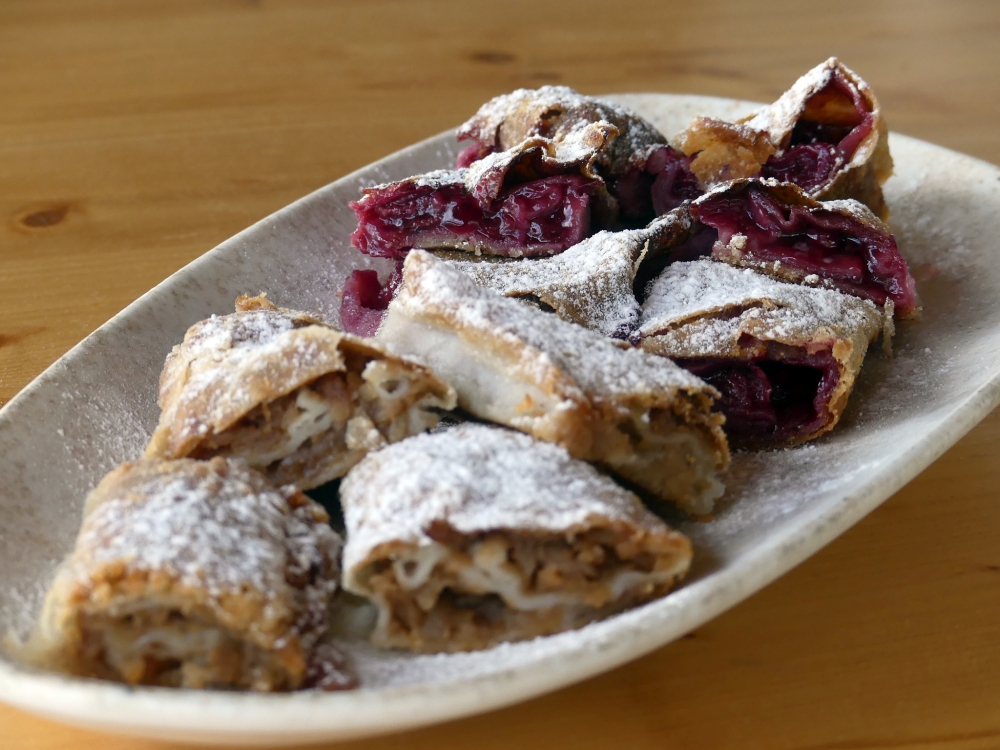
Radoboj is also home to Hiža štruklji, a restaurant that, in addition to its regular menu of traditional food, offers a wide selection of this Zagorje speciality. Alongside acacia honey and turkey with mlinci, this dish is protected at the EU level. You can try classic štruklji baked in cream there, as well as baked štruklji, fruit varieties with sour cherries, apples and blueberries. They pair perfectly with JasWin wines, signed by oenologist Jasminka Šaško, current president of the Vino Zagorje association. There is a masterfully vinified semi-dry rosé, a blend of Cabernet Sauvignon, Blaufränkisch, Kavčina and Zweigelt, as well as the Zagorski Bregi blend, which can also be found in the portfolio of other Zagorje winemakers.
“The idea was to produce a drinkable, young wine that is a so-called field blend – made from everything that can traditionally be found in a small Zagorje vineyard. There are usually Graševina, Sauvignon, Riesling and Silvaner, as well as indigenous varieties such as various whites, Šipona and Kraljevina. Through this joint label at the association level, we wanted to encourage smaller producers to actively get involved in the wine scene and start working on the quality of their wines, as well as to pay tribute to tradition, given that wines have always been made in this way in Zagorje,” explained Šaško.
History aside, wine in Zagorje cannot be separated from its geography. The entire area is a magical landscape made up of green, rolling hills covered with dense forests. On almost every one of them, you’ll come across a vineyard and a cellar. If you’re looking for that authentic wine-geographic experience, it would be best to head to the small (but mighty) Prekratić winery, where you can taste a field blend sparkling wine, as well as a still Sauvignon, Graševina, Rhine Riesling and Frankovka. With a little luck (and enough toasts) you will even get to hear Miljenko Prekratić sing to you!
Sparkling wine in honour of the marshal and award-winning predicates
If you thought you now know everything about the local varieties grown in Zagorje, trust us when we tell you there are more than you’ll realise. Sokol is, in fact, a local variety closely linked to the Klanjec area, and it was saved from extinction with literally 20 vines found in a monastery near Klanjec. Today, this variety is very successfully handled by the TRS Sever winery, and anyone who has tasted it has been pleasantly surprised by its full body and deliciousness on the palate.
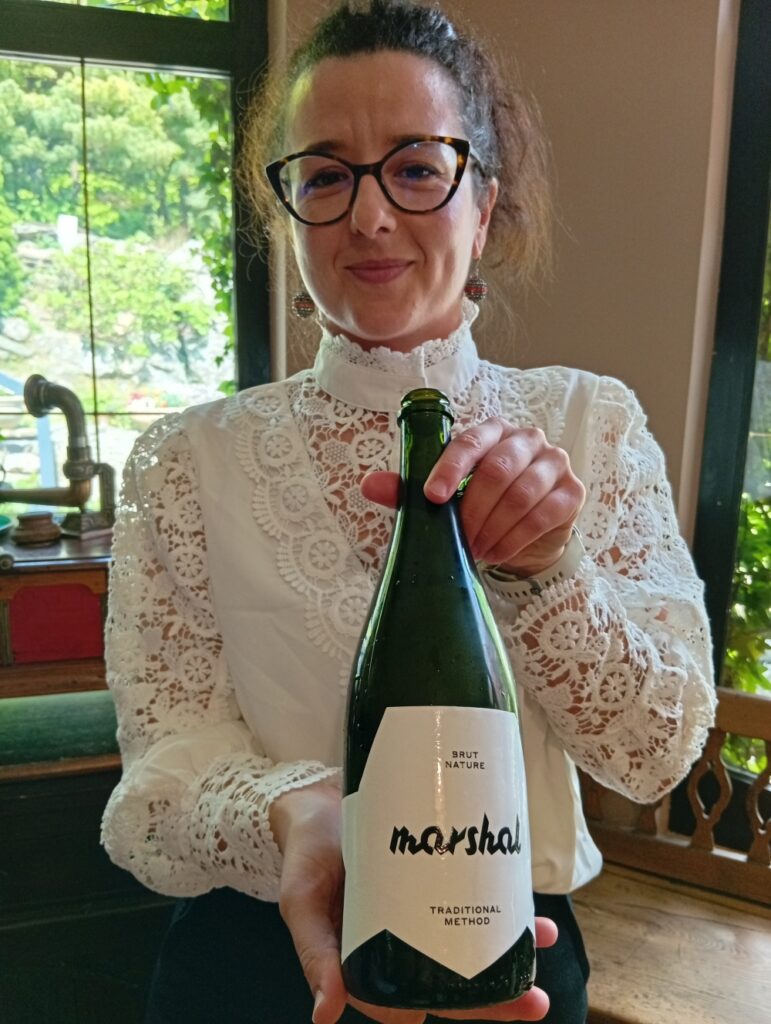
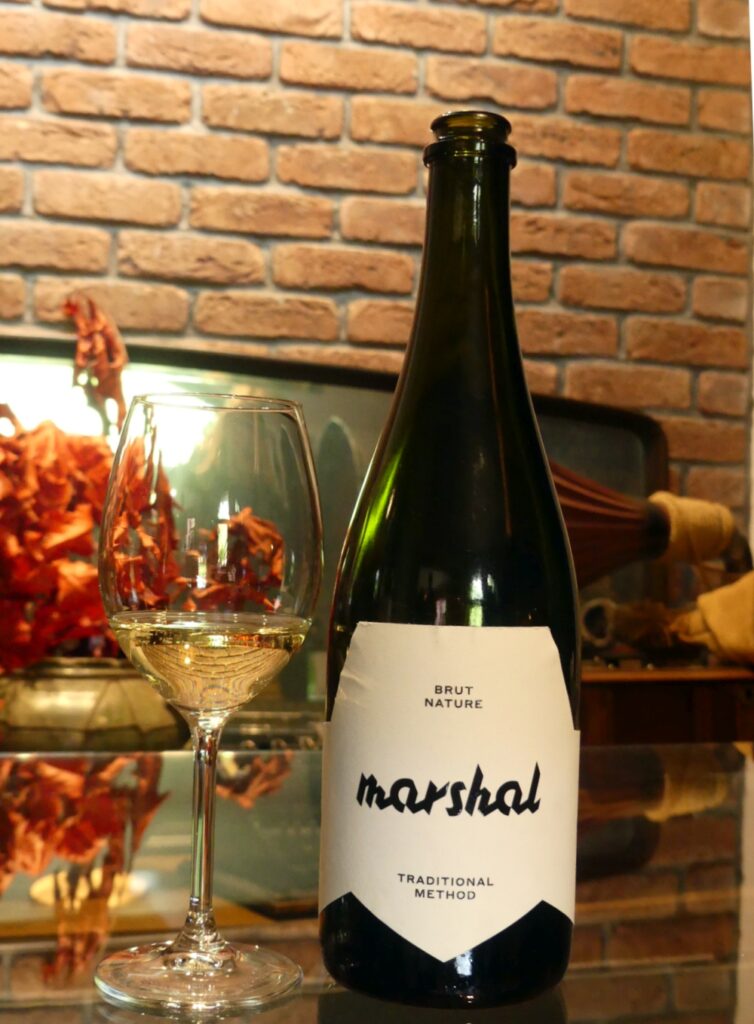
It was tasted (and thoroughly enjoyed) in the magical interior of the Zelenjak-Ventek restaurant, located near Kumrovec. Creative owner Dora Greblički Kos has recently received a family reinforcement in the form of Mara Miošić, who has (literally) translated her exceptional knowledge into three wine labels. Among them is the sparkling wine Marshal, made from Chardonnay and Šipon. This wine dared to do what no other sparkling wine from Zagorje has ever done – use Josip Broz Tito as a “brand” and as a basis for wine marketing.
In Zelenjak, there was also a tasting of wines made by the most awarded Croatian winemaker – Boris Drenški, owner of the Bodren winery, which specialises in the production of predicate wines. Given the climate change we’ve been witnessing in recent decades, this has become an extremely difficult wine “discipline”, but Boris still manages to create great predicates from Sauvignon, Rhine Riesling, Riesling and Traminac year after year.
Recognising the micro-climatic potential that guarantees high acidity levels in grapes, the skilled Boris used it as an advantage for the production of predicates in which the acidity breaks up the sweetness and reduces the impression of heaviness. We were also very impressed by the Kupilek fruit wines, made from blackberries and raspberries. They are extremely good for human health, given that blackberries are medicinal from root to fruit, protecting the consumer against anaemia and providing us with sufficient amounts of vitamin C. We cannot think of a better way to combine pleasure with utility.
Zagorje’s very own Bordeaux
Last but not least – if you’re planning a wine trip to Zagorje, the Petrač winery is a stop you don’t want to miss. The vineyards located on the picturesque Hršak breg, beautifully convey emotions in each of the 200,000 top-quality bottles produced each year under the direction of oenologist Igor Horvat. Unlike other wineries, 75% of the plantations here are made up of red varieties, dominated by Cabernet Sauvignon, Merlot and Cabernet Franc. Of the white varieties, there’s the globally beloved Chardonnay, which serves as the base for the top-quality sparkling wines Bregh and (naturally), the one and only Graševina.
Expressions like “impressive” and “magnificent” seem inadequate when we try to describe Petrač’s wine cellar, and we were equally impressed by the tasting room where, in addition to the wines, you can also taste cured meat delicacies from the complex’s own production. We all know that it isn’t ever a good idea to drink and drive, especially not when traversing through the winding roads of the Zagorje hills. Our recommendation is therefore not to limit your visit to Zagorje to just a single day. Instead, set aside at least one extended weekend – like the upcoming May Day weekend. In addition to Vuglec or Bolfan, you can find accommodation in one of the 10 hotels or among the more than two hundred luxury holiday homes that Zagorje is extremely proud of.