August the 23rd, 2026 – Župa dubrovačka, or the Parish of Dubrovnik, is an area located between Dubrovnik and Konavle, known for its beaches, peace and distinctly less hustle and bustle.
In the extreme south of Dalmatia lies an area that is often overshadowed by its famous, world-renowned neighbour. Yet no matter how powerful the shadow of Dubrovnik may be, this region stubbornly continues to tell its own (much more relaxed) story. Putni kofer writes that that story is made up of a series of “chapters” written by the local, very old villages.
ONE OF THE MOST BEAUTIFUL PARTS OF THE DUBROVNIK RIVIERA
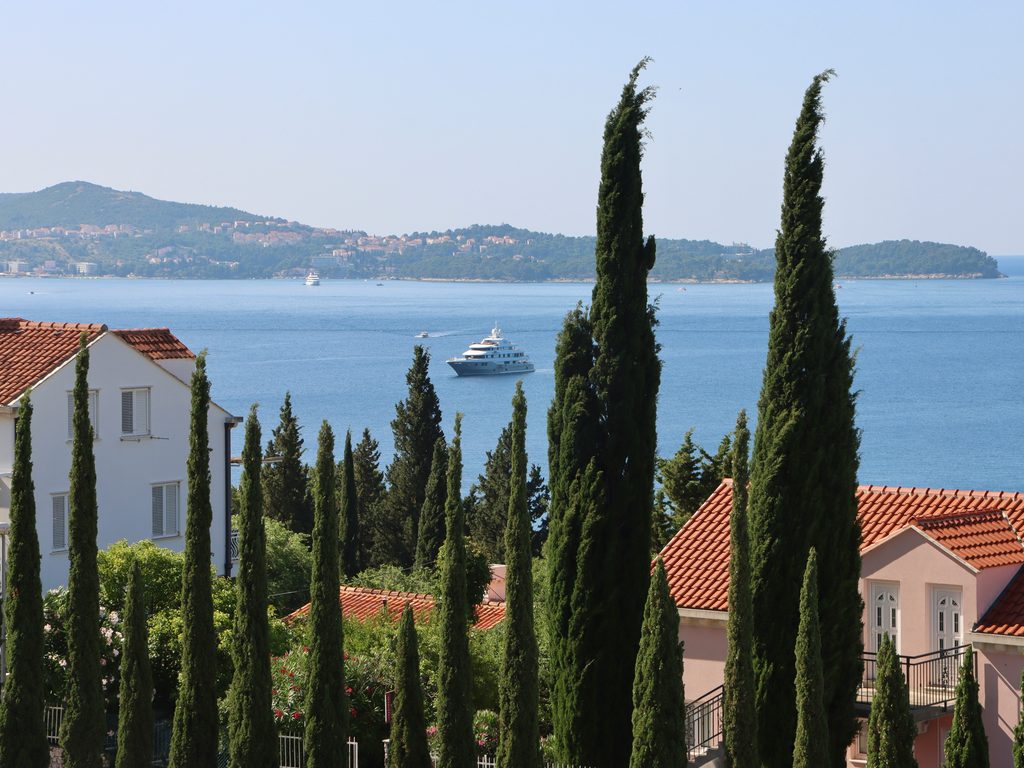
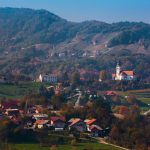
First, let’s get better acquainted with a few basic facts. Župa dubrovačka is located between Dubrovnik and Konavle, with the border towards the latter marked by Duboka Ljuta – a place where, according to legend, fairies used to sing noisily at night to scare away newcomers and keep all the beauty just for themselves. It spans an area of around 2,300 hectares and has about six thousand inhabitants. It’s separated from the very centre of Dubrovnik by just six kilometres and sits in a firm embrace of rolling hills on one side and the sea on the other. Župa dubrovačka is called one of the most beautiful parts of the Dubrovnik Riviera.
Its history is long and dates back to around 6000–4000 BC. One of the pieces of evidence from that time – a stone tongue-shaped chisel – is still kept in the Dubrovnik Museum. Illyrians once lived here, Greeks passed through the area, and later the Romans eventually ruled it. In the 7th century, however, Župa dubrovačka came under Dubrovnik’s control. Its natural beauty had long caught the eye of the Dubrovnik nobility, who built their summer residences there.
KUPARI – THE OLDEST TOURIST RESORT
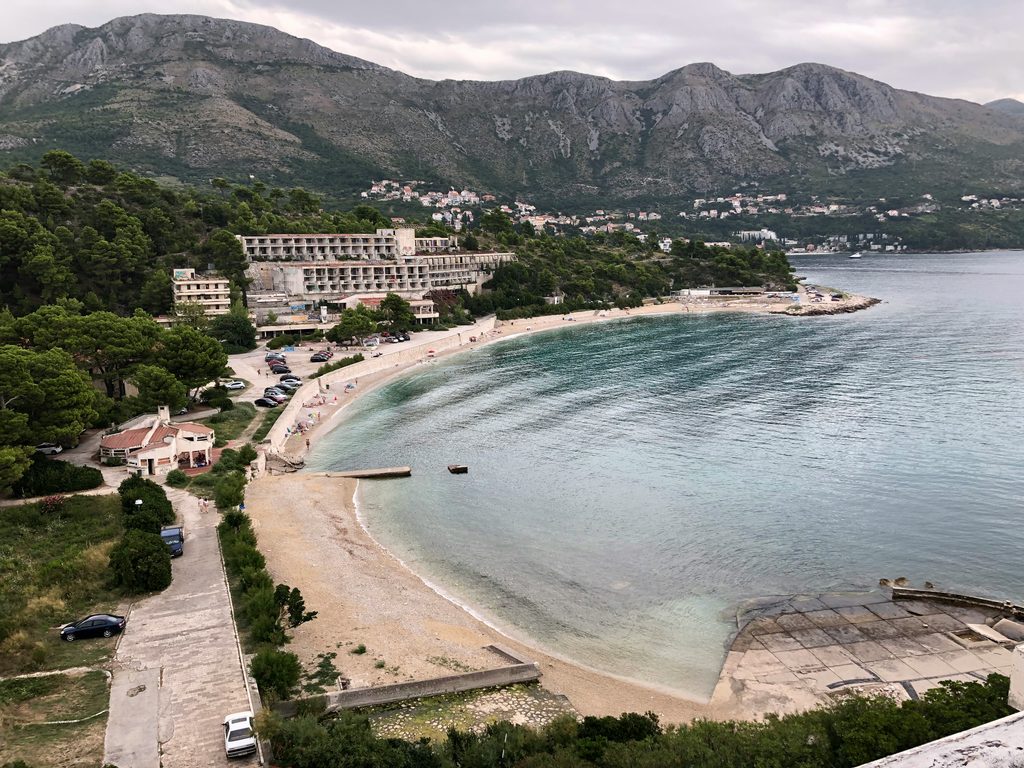
Over time, Župa dubrovačka also grew in tourism terms, attracting visitors slowly but surely. Tourism began to develop there after the First World War and experienced a boom in the 1960s and 1970s, when a series of hotels were built in the area.
In this “tourism” sense, Kupari must be mentioned. This place is cited as the oldest tourist resort in Župa dubrovačka, and the first hotel was built there in 1920. The place got its name from the Kuparica tile factory, which operated as early as the 13th century. It is also known for one of the most famous beaches near Dubrovnik, as well as for a hotel complex that stood abandoned for a long time and has now been demolished. A new hotel is supposed to rise in its place. The only thing in the complex that was not demolished is the first hotel in the history of Župa – Hotel Grand – which is protected. It is due to be restored.
SREBRENO aND MLINI
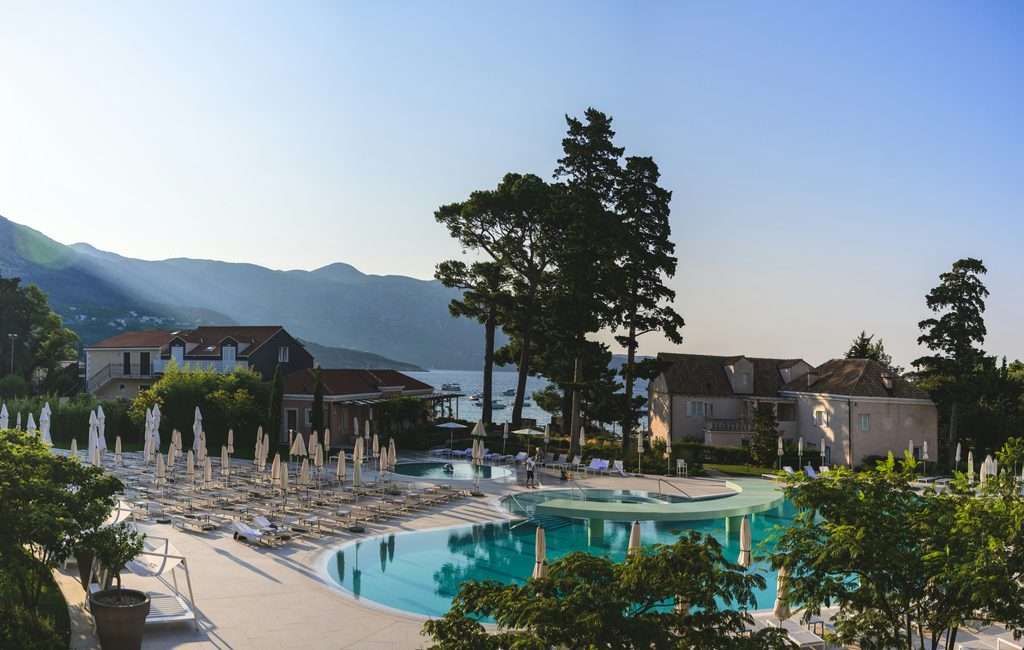
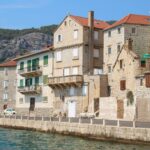
East of Kupari lies Srebreno. This ancient fishing village, which was popular among Dubrovnik nobles who built villas there, is mentioned as early as the 13th century and is today the administrative centre of the municipality. It is also considered one of the best-known bathing spots in the area, along with Soline. That settlement got its name from the salt pans. One of the most recognisable places in Župa dubrovačka, however, is pretty little Mlini. The name was not given without reason. There used to be a series of mills in the village (mlin in Croatian), of which only one has been preserved to this day. Mlini is now widely regarded as one of the best-known tourist destinations in this compact area. It’s often referred to as one of the most beautiful settlements in Župa dubrovačka.
PLAT IS KNOWN FOR ITS BEAUTIFUL COVES
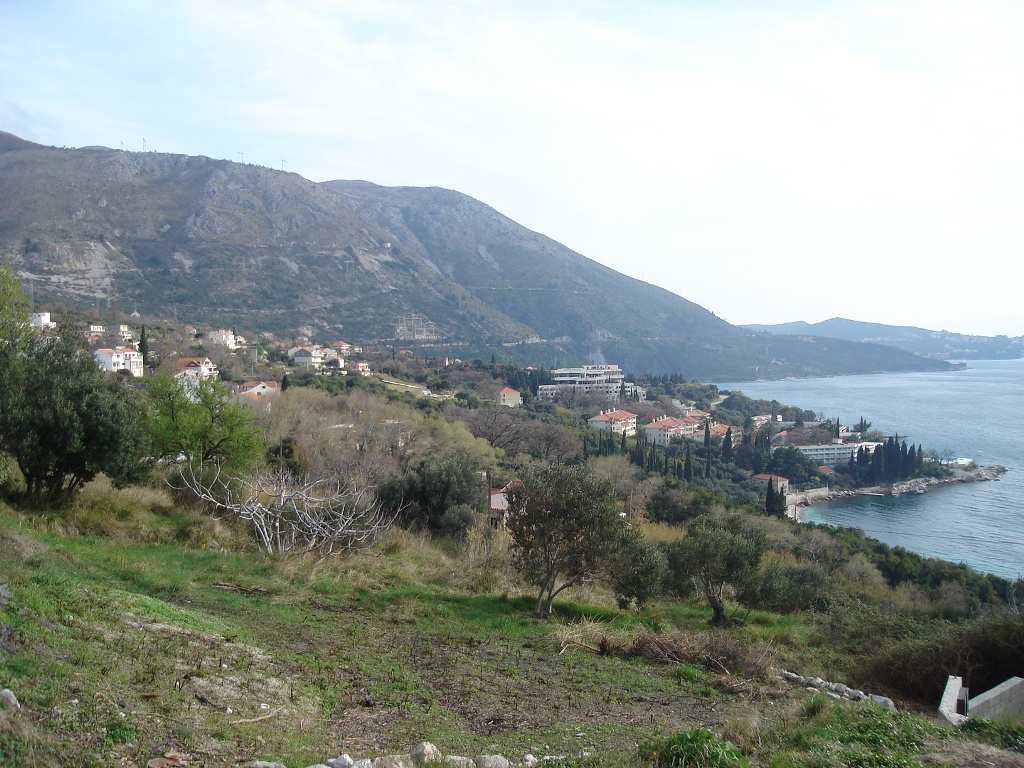
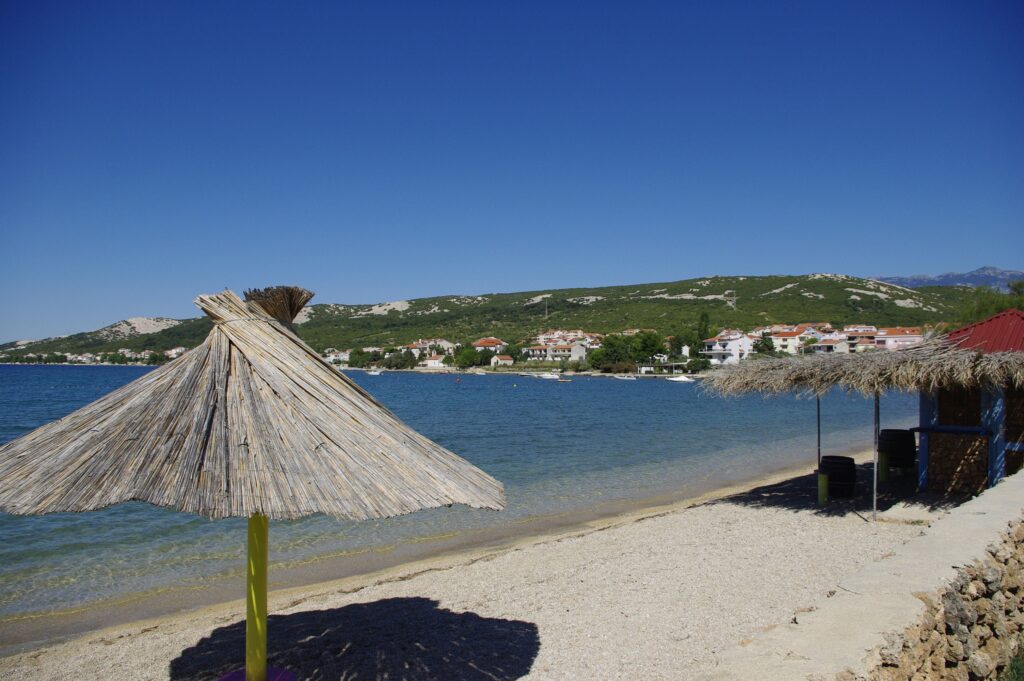
Plat, another place in Župa dubrovačka, lies further south, towards Konavle. It is known for its beautiful coves and beaches, and its name Plat (formerly called Belenum) is first mentioned in 1400. It is home to several interesting little churches, for example the Church of St John, which stands on the hill above the village and where so-called mammoth spruces once grew. The thickest of them had a trunk circumference of more than two metres.
The Church of Our Lady of the Assumption was guarded by huge cypresses about 21 metres tall. The giant cypresses and spruces are gone, but near the latter church there are stećci (medieval tombstones), including one that is said to be the most beautiful in the Dubrovnik area. Finally, it is certainly worth stepping a little away from the coast itself and exploring the hinterland of Župa in general, the old villages, vineyards and olive groves, and the ancient stone houses.