
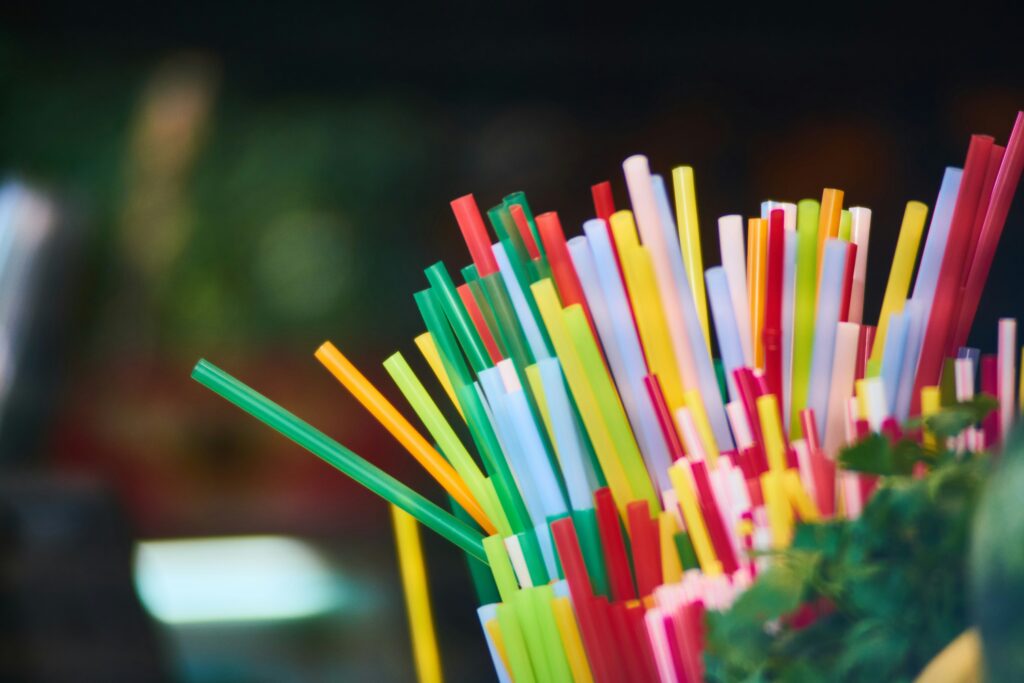
June the 15th, 2026 – Croatia is moving toward an entirely single use plastic-free hospitality industry as the European Union’s new rules approach.
As Index writes, Croatia’s restaurants, cafes, bars, and hotels are preparing for one of the biggest changes to everyday hospitality operations in very many years, as new European rules begin phasing out certain single-use plastic products.
As of August 2026, one of Croatia’s peak summer tourism months, brand new EU packaging rules will begin changing how food and drinks are served across the hospitality sector. This will obviously affect everything from takeaway containers to packaging materials used by businesses and consumers. The goal is to simply reduce the amount of disposable plastic entering Europe’s waste system in as much as is possible.
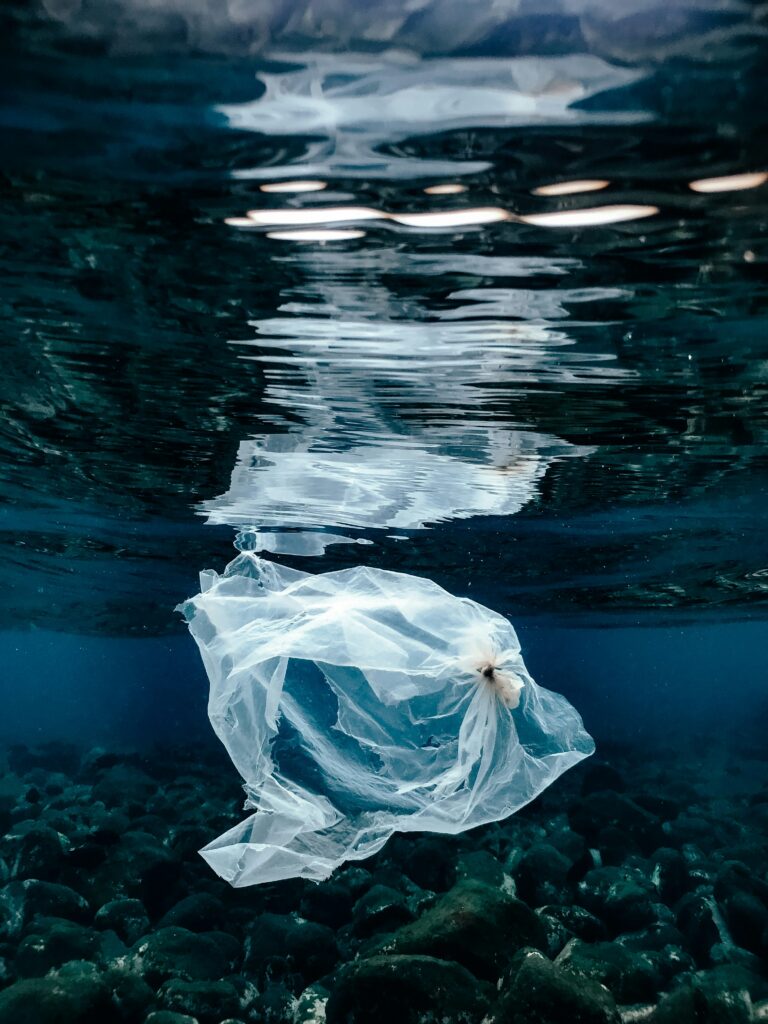
These new regulations are part of a wider European effort to reduce packaging waste, encourage reusable alternatives, and push businesses toward more sustainable practices.
For Croatia, the timing is particularly important. The country’s hospitality industry is preparing for another major tourist season, meaning millions of visitors will be using restaurants, bars, hotels, and takeaway services along the Adriatic coast. That makes the shift away from disposable plastic a major practical challenge.
Businesses will need to adapt almost all of their daily operations, from packaging for takeaway food to serving materials and guest amenities. One of the biggest upcoming changes is that hospitality businesses will need to allow customers to bring their own reusable containers for takeaway food and drinks. Later phases will require more widespread use of reusable options instead of single-use plastic items.
The changes will also affect hotel supplies as small plastic-heavy items such as miniature toiletries and certain single-use packaging formats are expected to face tighter restrictions in the coming years.

Supporters of the move argue that the transition is necessary as plastic waste has become one of Europe’s biggest environmental challenges, with packaging representing a significant share of discarded materials. Reducing unnecessary single-use items is seen as one way to cut pollution and improve recycling rates.
Despite the overwhelming positives for the environment as a whole, the transition will not be without debate. For smaller restaurants and family-run businesses, replacing cheap disposable products with reusable systems may require new investment, additional storage, and changes to everyday routines. The hospitality sector is also likely to face questions from customers.
Will visitors accept reusable systems? Will businesses pass additional costs on? And how quickly can Croatia’s tourism industry adjust?

For a country where tourism and the environment are closely connected, the change carries extra significance. Croatia markets itself through its coastline, islands, and natural landscapes, the same environments most affected by marine plastic pollution. The next few years could therefore mark a major shift in how the country’s tourism industry operates.
The era of the disposable coffee cup, plastic container, and hotel mini-package may be coming to an end, and Croatia’s restaurants and hotels are about to become the testing ground.