May the 15th, 2026 – Are Croatia’s smaller cities and towns finally managing to hold at least somewhat of a candle to Zagreb?
For very many decades, Zagreb dominated almost everything in the entire country; jobs, salaries, schooling, universities, business opportunities and more. If you wanted to embark on any kind of remotely serious career in Croatia, the assumption was simple: eventually, you had to up and move to Zagreb, no matter where in the country you hailed from.
Things are starting to alter. The change is slow but steady.
Cities like Osijek, Varaždin and Zadar are increasingly trying to position themselves as alternatives to the capital, especially for younger workers and remote professionals. Croatian economic data and regional business reporting show these cities performing more strongly than many people expected. Varaždin, for example, ranked among Croatia’s top cities for entrepreneur profits and employment growth according to Fina business analysis.
Osijek is also attracting growing attention as a regional tech and university hub, while Zadar continues to benefit from tourism, infrastructure investment and quality-of-life advantages.
zagreb has become extremely expensive
One of the biggest reasons behind the shift is simple: Zagreb has become significantly more expensive. Housing prices and rents in the capital have risen sharply over the past few years, while traffic congestion and living costs continue to increase. At the same time, many smaller Croatian cities still offer lower housing costs, shorter commutes and a generally calmer lifestyle.
That balance is becoming increasingly attractive to younger people, especially after the growth of remote and hybrid work. Before the coronavirus pandemic, living outside Zagreb often meant fewer professional opportunities. Now, that matters less for a great many industries.
Developers, designers, digital workers and freelancers increasingly have the option to work for companies based in Zagreb, western Europe or even North America while living elsewhere in Croatia.
the rise of osijek
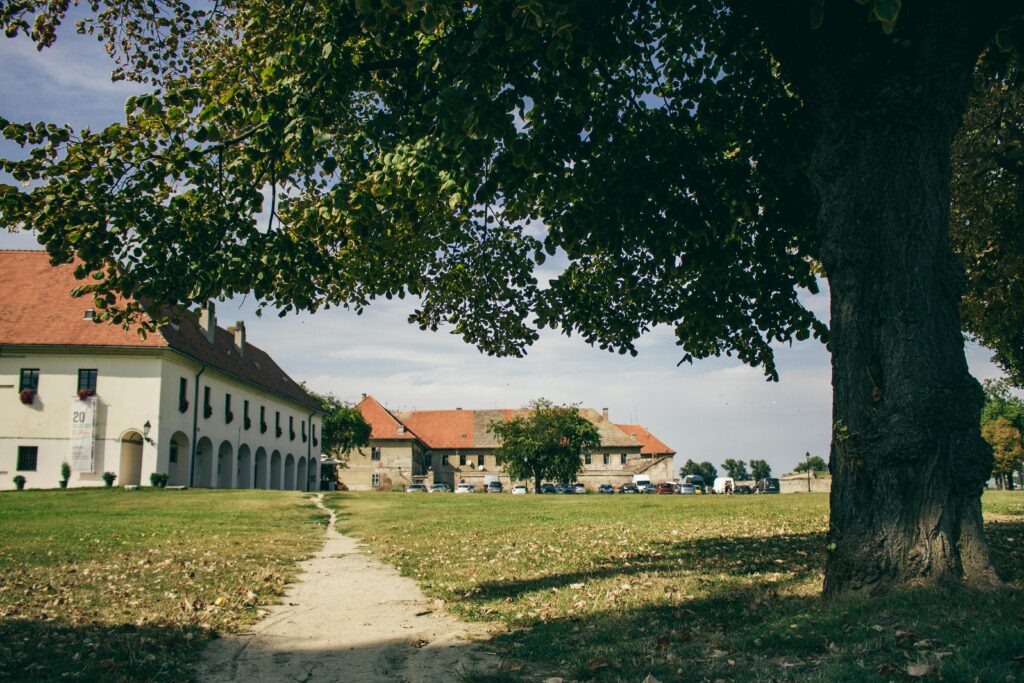
Osijek, in particular, is frequently mentioned in Croatian discussions about regional revival. The city was associated with emigration and economic decline for decades, but perceptions have gradually started changing. Younger residents and people from the diaspora increasingly describe Osijek as affordable, liveable and surprisingly dynamic compared to older, less pleasant stereotypes.
None of this means Zagreb is losing its position as Croatia’s economic centre. The capital naturally still overwhelmingly dominates in terms of population, salaries, universities and business concentration. What may now be changing is the perception that success in Croatia requires living there permanently. That is a major cultural and economic shift for a country that has long struggled with both centralisation and regional depopulation.
a shift in croatia’s demographic story
For years now, Croatia’s biggest demographic story was emigration abroad. Now, a second trend may slowly be appearing underneath it: internal redistribution. Younger people are increasingly weighing quality of life, affordability and flexibility alongside career opportunities. For the first time in a long time, some smaller Croatian cities are beginning to look competitive again