May the 15th, 2026 – Solin is situated near bustling Split. Today, most people simply travel through it or past it, giving it no thought at all. That’s a mistake. Solin is an unassuming Croatian town that was actually once among the Roman Empire’s largest.
Just a few kilometres from Split lies one of the most historically important places in Croatia, yet many tourists heading toward the Adriatic coast barely notice it. Putni kofer writes that the town of Solin, located northeast of Split, was once the site of ancient Salona, the capital of the glorious Roman province of Dalmatia and one of the largest cities in the Roman Empire.
Today, its ancient, weather-beaten ruins remain one of Croatia’s most fascinating but underrated historical sites.
dalmatia’s ancient roman heart
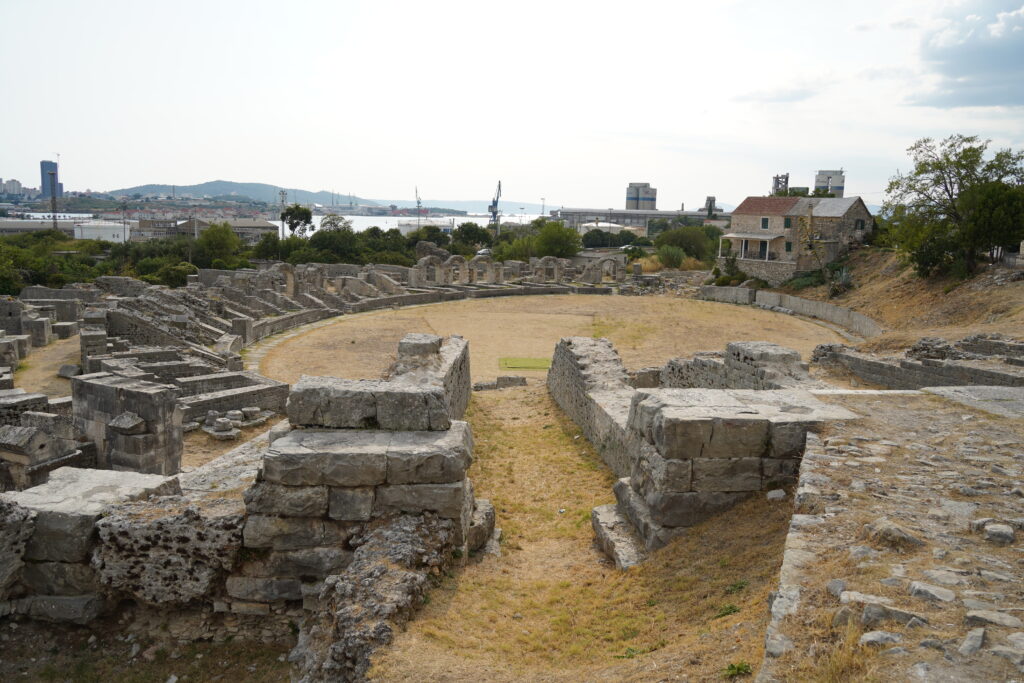
Long before Split became Dalmatia’s dominant city, nearby Salona was the political, administrative and cultural centre of Roman Dalmatia. At its very peak, historians estimate Salona had a population of around 60,000 people, making it one of the largest cities on the eastern Adriatic during the Roman era. Solin, or should we say Salona, developed rapidly after the Roman conquest of Dalmatia and became an important hub connecting the Adriatic coast with the interior.
Roman emperors, merchants and military officials all passed through Salona, while the settlement itself grew into a major urban centre complete with amphitheatres, baths, forums, temples and early Christian basilicas.
where diocletian entered the world
Salona is also closely linked to one of the most famous Roman emperors: Diocletian, the man who built his retirement palace in the heart of Split. It remains the only Roman palace on Earth that is still “alive” today, occupied by homes, businesses and daily life. The emperor, who ruled from 284 to 305 AD, is believed to have been born precisely in what was Salona.
After the fall of Salona during invasions during the 7th century, many refugees fled to Diocletian’s Palace, helping transform it into the medieval city that evolved into modern Split, and it has remained exactly that. Without the formation and eventual unbridled success of Roman Salona, there would be no Split as we know it today.
incredible roman ruins hidden in plain sight

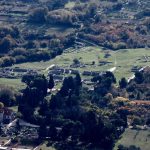
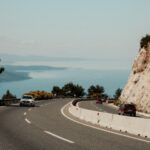
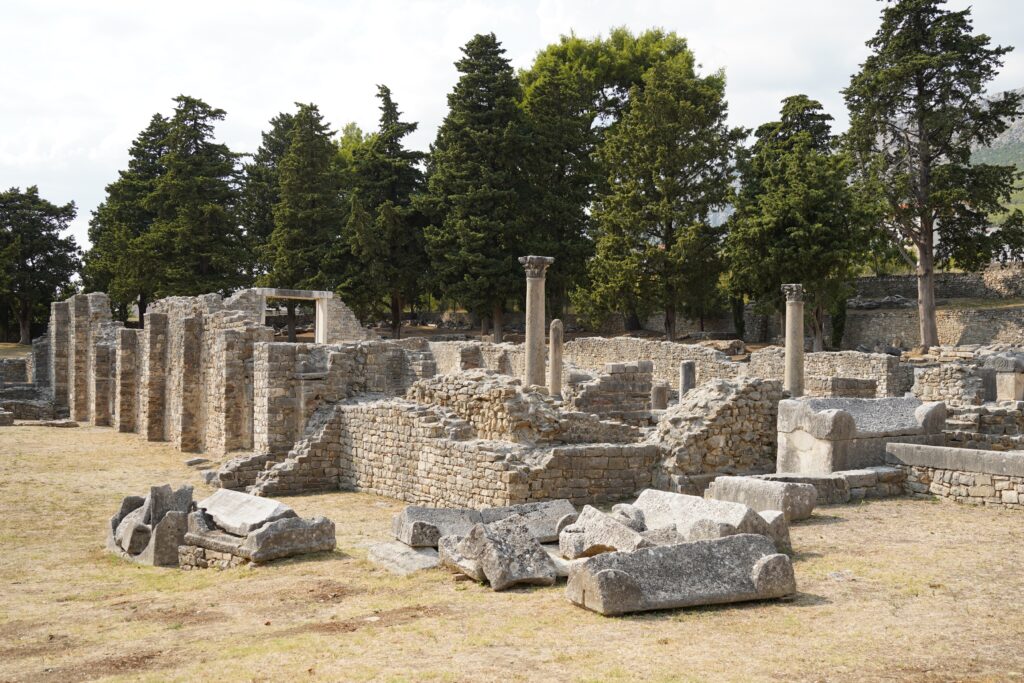
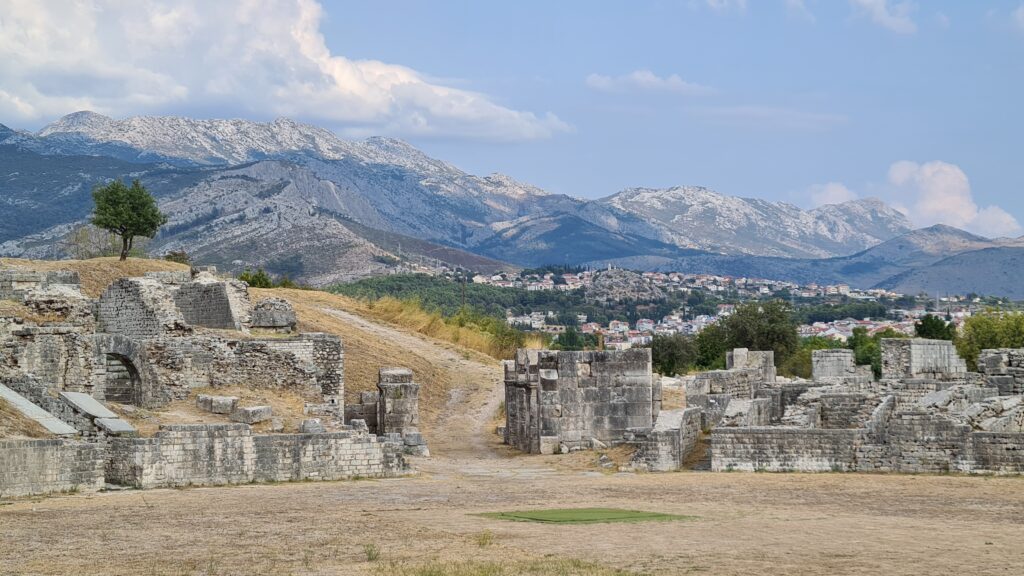
Despite its enormous historical significance, many visitors still overlook Solin while travelling between Split, Kaštela and inland Dalmatia. They simply zoom straight past the truly impressive Roman ruins scattered across the entire area. This extremely significant archaeological site is home some of the most impressive Roman remains ever discovered on Croatian territory.
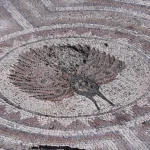
Visitors can freely enter and explore parts of the ancient amphitheatre, city walls, early Christian cemeteries, basilicas and public buildings spread across the area. The ruins of Salona hold particular importance for early Christian history. During late Roman times, Salona became one of the major Christian centres in not only Dalmatia but the wider region, and several important martyrs associated with Dalmatia are directly linked to the site.
Today, Solin is often viewed by most as little else but a suburban extension of Split or a place people pass on the way to the coast and the islands. However, beneath the modern town of Solin lies the story of an ancient settlement that once stood at the centre of Roman Dalmatia and played a major role in shaping the history of the entire eastern Adriatic.