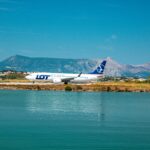
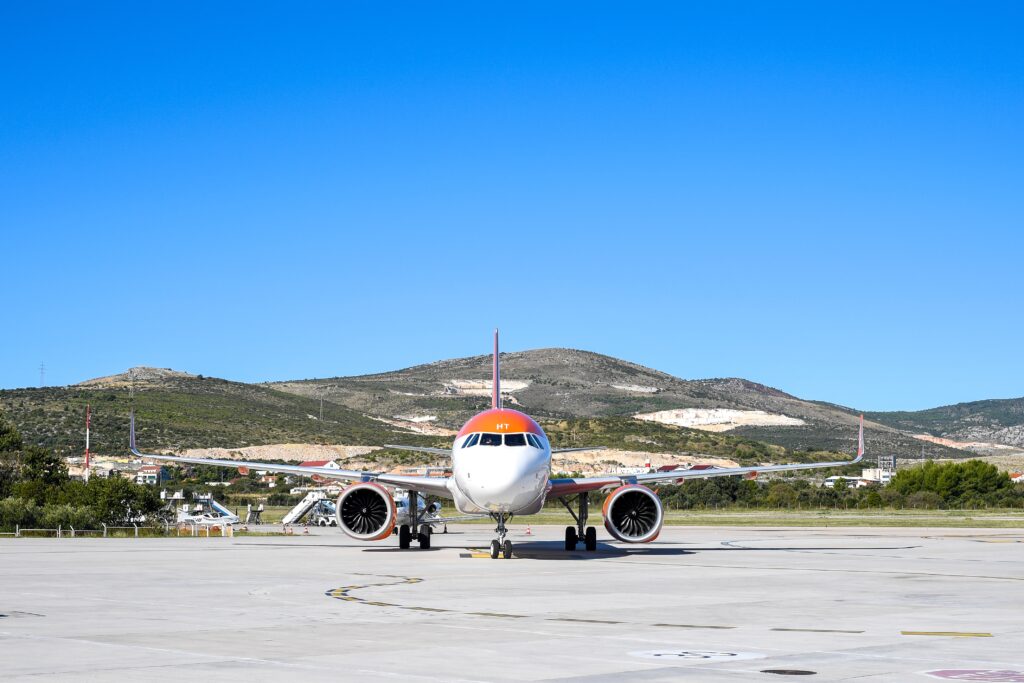
May the 29th, 2026 – Croatian airports are getting ready for another tourism surge as we head into the peak season as strong passenger growth is seen across the board during the very successful pre-season.
From Split to Dubrovnik and Zagreb, Croatian airports are expecting another intense summer as the country continues strengthening its position as one of Europe’s most in-demand Mediterranean destinations.
There has been continued growth in passenger numbers during the early part of the season, particularly on international routes connecting Croatia with major European cities. Airports are seeing strong demand from traditional tourism markets including Germany, the United Kingdom, Austria and Scandinavia, while some destinations are also attracting increasing interest from longer-haul visitors. For Croatia’s tourism industry, airport traffic has become one of the clearest indicators of seasonal momentum.
Among all of the Croatian airports, Split and Dubrovnik typically experience the strongest seasonal intensity. Both airports handle enormous summer passenger surges relative to their local populations, with traffic heavily concentrated between June and September. Peak season operations at these airports are often described as logistical stress tests, especially during weekends when arrivals and departures overlap heavily.
airlines are expanding summer routes and eyeing croatia

One major factor behind the growth is airline expansion. Carriers continue adding seasonal routes linking Croatia with European capitals and regional hubs, reflecting confidence in sustained tourism demand. Low-cost airlines remain particularly influential in shaping Croatia’s tourism accessibility, while traditional carriers also continue strengthening summer schedules. For many visitors, direct flight availability now strongly influences destination choice.
Croatia’s modern tourism economy is increasingly dependent on air connectivity. While road travel remains important, especially from Central Europe, international aviation now drives much of the country’s high-value tourism flow. Croatian airports therefore play a central role not only in transport infrastructure, but also in broader economic performance during summer.
The challenge is that Croatia’s busiest airports operate under extremely uneven annual demand patterns. During winter, traffic levels can be relatively modest. During peak summer weeks, passenger numbers surge dramatically within very short time windows. This creates recurring pressure on staffing, baggage handling, queues, parking and runway scheduling.
breaking free of the chains of summer tourism only presents new challenges
The growth in passenger numbers reflects Croatia’s continued international tourism success. It also creates wider pressures connected to over-tourism, transport congestion and seasonal infrastructure overload. The airport surge is therefore both an economic achievement and a logistical challenge.
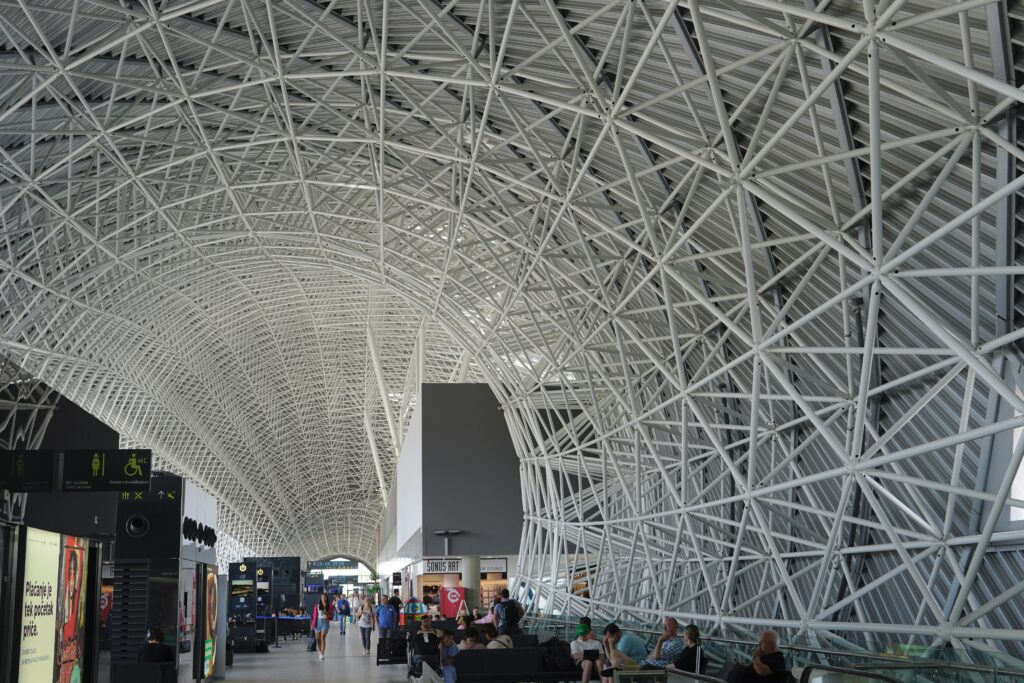
While coastal airports dominate summer traffic, Zagreb is also seeing growing importance as a year-round aviation hub. Particularly since Ryanair’s arrival, the capital’s role in expanding business travel, regional connectivity and non-seasonal international routes. This reflects broader efforts to diversify Croatia’s tourism beyond pure summer coastal dependence.
For many international visitors, airports are the first and last experience of Croatia. Efficiency, connectivity and passenger experience increasingly shape how travellers perceive the country overall. As competition between Mediterranean destinations intensifies, smooth aviation infrastructure is becoming strategically important.
All signs suggest Croatia’s airports are once again heading toward one of their busiest seasons yet. The combination of strong tourism demand, expanding airline networks and global interest in Adriatic travel continues driving passenger growth upward