June the 2nd, 2026 – Croatian families can barely afford to visit their own coast unless they have either their own properties there, or can stay in those belonging to friends and family.
For countless decades, a summer holiday on the Adriatic coast or on an island was a tradition shared by millions of Croats. Families from Zagreb, Slavonia and northern Croatia would all head to the coast for a week or two each year, often staying in apartments, campsites or family accommodation. As another summer season begins, a growing number of Croatians are asking a difficult question: Can ordinary Croatian families still afford to stay on their own coast?
This burning issue has become one of the most discussed topics of late, fuelled by rising accommodation costs, expensive restaurants and growing frustration that some coastal Croatian destinations are increasingly catering to foreign tourists with deeper and deeper pockets rather than domestic visitors.
prices are still a huge issue – for everyone
Few people dispute that prices along the Adriatic have risen dramatically over the past decade. Accommodation costs have increased, restaurant bills are higher, parking fees continue climbing and even everyday expenses such as ice cream, coffee and drinks have become noticeably more expensive. While inflation has affected countries across Europe, many Croatians feel coastal prices are rising faster than incomes. The result is a growing perception that the Adriatic is becoming less accessible to local residents.
Domestic tourists are changing their habits
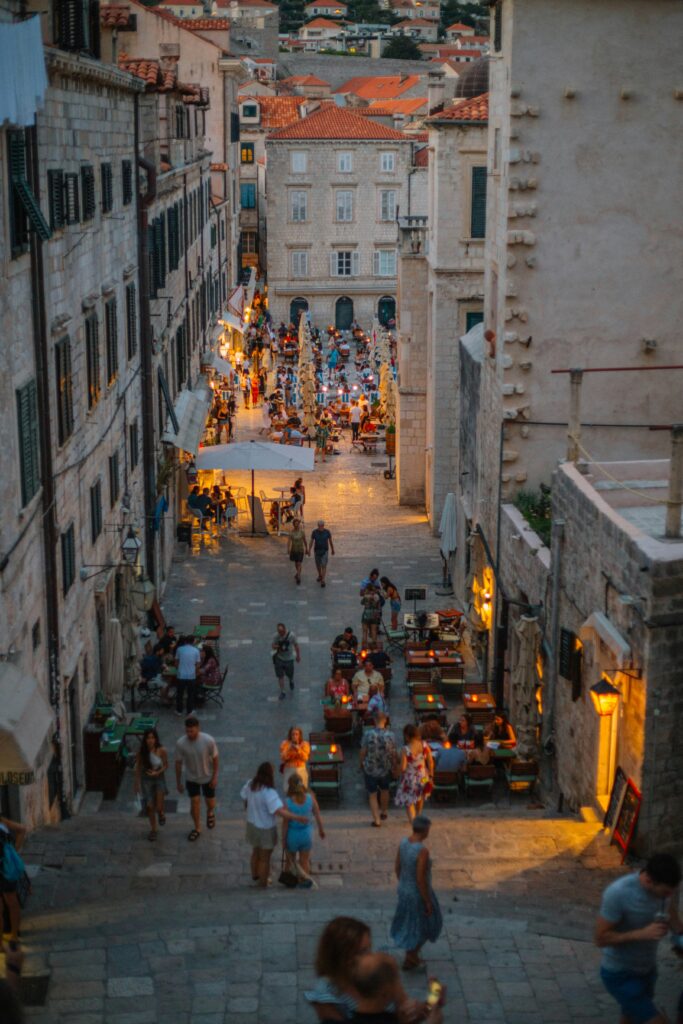
Tourism operators report that Croatian guests are increasingly shortening their stays, travelling outside peak season or choosing less expensive destinations. Some Croatian families now have to opt for long weekends rather than traditional week-long holidays. Others are choosing inland destinations, day trips or holidays abroad where they believe they receive better value for money. These changes may seem small individually, but together they reflect shifting consumer behaviour.
Foreign visitors can (usually) pay more
One reason for rising prices is simple economics. Tourism businesses naturally set prices according to demand, and Croatia continues attracting millions of foreign visitors willing to spend significantly more than many domestic travellers. A German, Austrian or American tourist may view a 150 euro apartment as reasonable. For many Croatian households, however, that same price can represent a substantial portion of a monthly budget.
This difference creates tension between market realities and local expectations.
Every summer, photos of expensive menu items, costly parking tickets and high accommodation prices spread rapidly across Croatian social media. These posts often generate thousands of comments and become front-page stories on major news portals. Whether it’s a 5 euro coffee, a 30 euro pizza or expensive sunbed rentals, such examples regularly spark nationwide debate. The stories resonate because many people see them as symbols of a broader affordability problem.
Ironically, the issue is partly the result of Croatia’s tourism success. The country has transformed itself into one of Europe’s most desirable summer destinations. That success has brought investment, jobs and economic growth. However, it has also pushed prices higher in many coastal areas, particularly during peak season. In some destinations, locals increasingly feel like visitors in places that once felt more affordable and familiar.
Businesses defend the increases
Tourism operators argue that rising prices are not simply a matter of greed. They point to higher wages, increased utility costs, inflation, taxes and investment requirements. Many businesses also face labour shortages and rising operating expenses. From their perspective, higher prices are often necessary to remain profitable.
Questions about affordability are increasingly entering political discussions. Local authorities and tourism experts are debating how to maintain competitiveness while ensuring coastal destinations remain accessible to Croatian citizens themselves. The challenge is finding a balance between economic success and social sustainability.
For generations, the Adriatic has been part of Croatia’s national identity.
The idea that some Croatian families may struggle to afford holidays on their own coast therefore carries extreme emotional as well as economic significance. It touches on questions of belonging, opportunity and who ultimately benefits from tourism growth.
As summer 2026 begins, Croatia’s beaches, islands and historic towns remain as attractive as ever. Visitor numbers are expected to be strong, but alongside optimism, a growing conversation continues about affordability and access. For many Croatians, the question is becoming increasingly difficult to ignore:
Has the success of Croatian tourism made the coast too expensive for its own people? For many, the answer is a resounding yes.