June the 13th, 2026 – The global economy is slowing down once again, and Croatia would do very well to pay close attention as it all unfolds, because tourism is one of the first sectors to take a hit.
For a small European country that depends heavily (if not almost entirely) on tourism, exports, and the wider European economy, what happens globally rarely stays global for long. This week, the World Bank lowered its forecast for global economic growth in 2026 to 2.5%, warning that rising energy costs, inflation pressures, and geopolitical instability are creating the weakest growth environment since the pandemic period.
It’s true that to the layman, and certainly on paper, global growth of 2.5% may not sound dramatic, but seasoned economists pay close attention to the direction of tourism and travel. Growth forecasts are being revised downward across much of the world, and slower economic expansion often means more cautious consumers, reduced investment, and weaker international demand. The World Bank cut expectations for roughly two-thirds of economies in its latest outlook.
So what does that actually mean for Croatia?
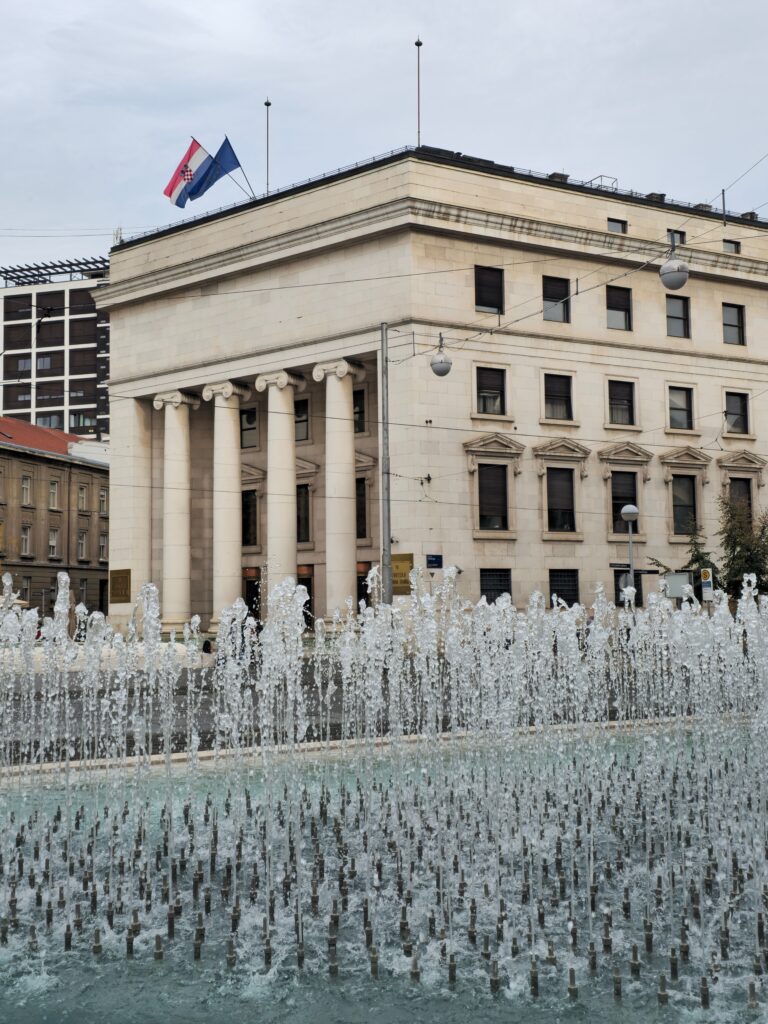
At first glance, Croatia is currently entering its busy summer tourist season in which countless masses descend on the country in relatively strong shape. Employment remains very high (as is expected seasonally), tourism expectations are very solid, and domestic economic indicators have held up better than many expected. That doesn’t mean everything is fine, as Croatia is very deeply exposed to external conditions.
Tourism remains one of the clearest examples of this. Visitors arriving on the Adriatic coast do not make spending decisions in isolation, they arrive with confidence shaped by inflation, interest rates, fuel prices, household budgets, and economic sentiment in Germany, Austria, Italy, and other key markets. Croatia’s recent branding by the international media as an expensive country doesn’t help it out here whatsoever.
If European households become more cautious, that behaviour often appears first in discretionary spending. Shorter holidays. Lower restaurant spending. More price comparison. Fewer extras. Croatia has already experienced how quickly international conditions can shape local outcomes, and energy remains another concern.
The World Bank warned that disruptions to global energy markets could push inflation higher again and place pressure on both households and businesses. Under more severe scenarios, global growth could fall significantly further while inflation accelerates. That matters for Croatia because inflation has become one of the country’s defining economic conversations over the past several years.
Higher fuel prices affect transport. Higher operating costs affect hospitality. Higher food and input costs eventually reach consumers.
There is also the question of competitiveness. Croatia has benefited in recent years from Eurozone and Schengen accession, investment inflows, and strong tourism performance. Generally slower global growth makes competition for spending, investment, and talent more intense. Countries that perform well in boom periods are often tested differently during slower cycles, but it can be said with confidencd that none of this means a downturn is inevitable.
The global economy is still growing, not shrinking, but the latest forecasts are a reminder that Croatia’s economy doesn’t operate independently from the wider world. In fact, it is more vulnerable than countries who don’t place all of their eggs in one (tourism) basket. As another bustling summer season begins, the question is not whether global economic conditions matter at all, but just how quickly Croatia will feel and be able to adapt to them.