
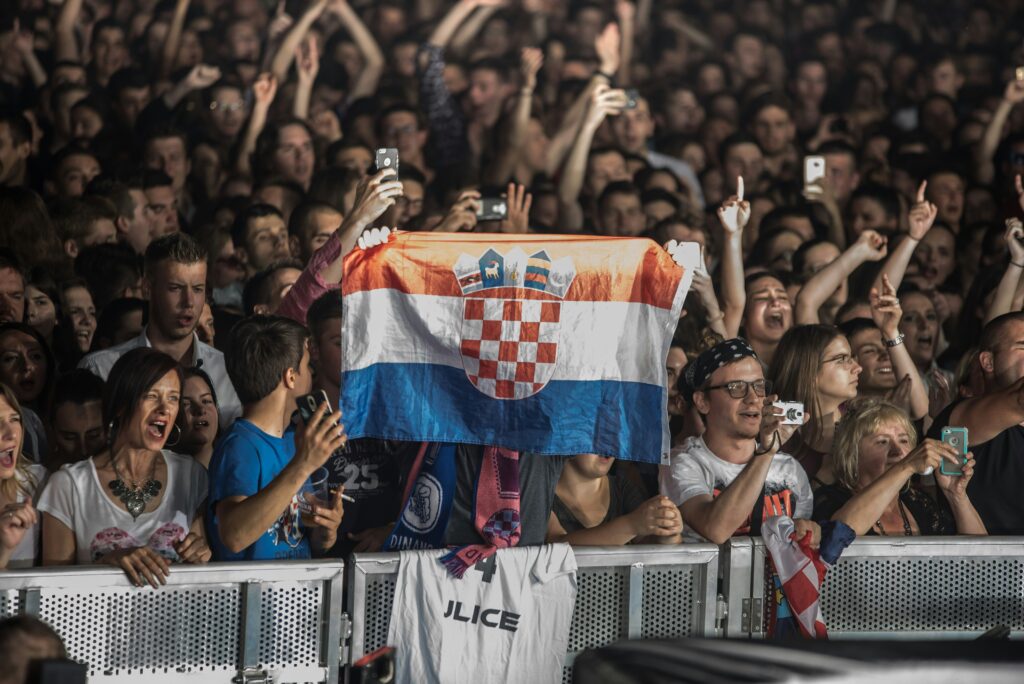
June the 13th, 2026 – The biggest World Cup “ever” has officially kicked off (no pun intended), and for many, it carries a new sort of meaning for Croatia.
The 2026 FIFA World Cup is now very much underway after much anticipation, and this year’s tournament is unlike anything football has seen before. Hosted across Mexico, the United States, and Canada, the 2026 edition marks the largest World Cup in history, expanding from 32 teams to 48 and stretching across 16 host cities in three countries. By the time the final is played in July, a total of 104 matches will have taken place.
The tournament officially opened in Mexico City at the iconic Estadio Azteca, which became the first stadium in history to host three separate FIFA World Cup opening matches. More than 80,000 fans gathered as football returned to one of the sport’s most symbolic venues. This World Cup is not simply bigger. It represents one of the most ambitious experiments in modern sport.
For decades, the World Cup followed a relatively stable format. Expanding to 48 teams means more nations qualify, more matches are played, and more parts of the world gain representation on football’s biggest stage. Supporters argue that expansion makes the tournament more global and more inclusive.
Critics, however, have questioned whether increasing the number of teams risks diluting quality and creating a competition that becomes too long and too commercially driven.
The opening itself reflected the scale of the event.
Mexico launched the tournament with a large ceremony combining music, entertainment, and cultural performances, including the live debut of the official World Cup anthem. For the first time in tournament history, FIFA is also staging separate opening celebrations across all three host countries. However, behind the spectacle sits an event with enormous economic and political significance.
The World Cup is expected to generate billions in tourism revenue while placing pressure on infrastructure, transport systems, security planning, and host cities across North America. FIFA President Gianni Infantino described the scale of the competition as comparable to delivering more than one hundred Super Bowls in just over a month. The event has not been without controversy.
In Mexico City, opening-day celebrations were accompanied by protests and isolated unrest outside the stadium area, although authorities said the tournament schedule and fan activities continued as planned.
For Croatia, the tournament carries another layer of meaning. After becoming one of football’s modern success stories through recent World Cup performances, Croatian fans will once again watch with expectations that extend far beyond participation. The expanded format also raises new questions about how smaller football nations compete in a changing tournament structure.
For now, however, the conversation belongs to football itself, and by the time the 2026 World Cup ends, football may not look quite the same again.