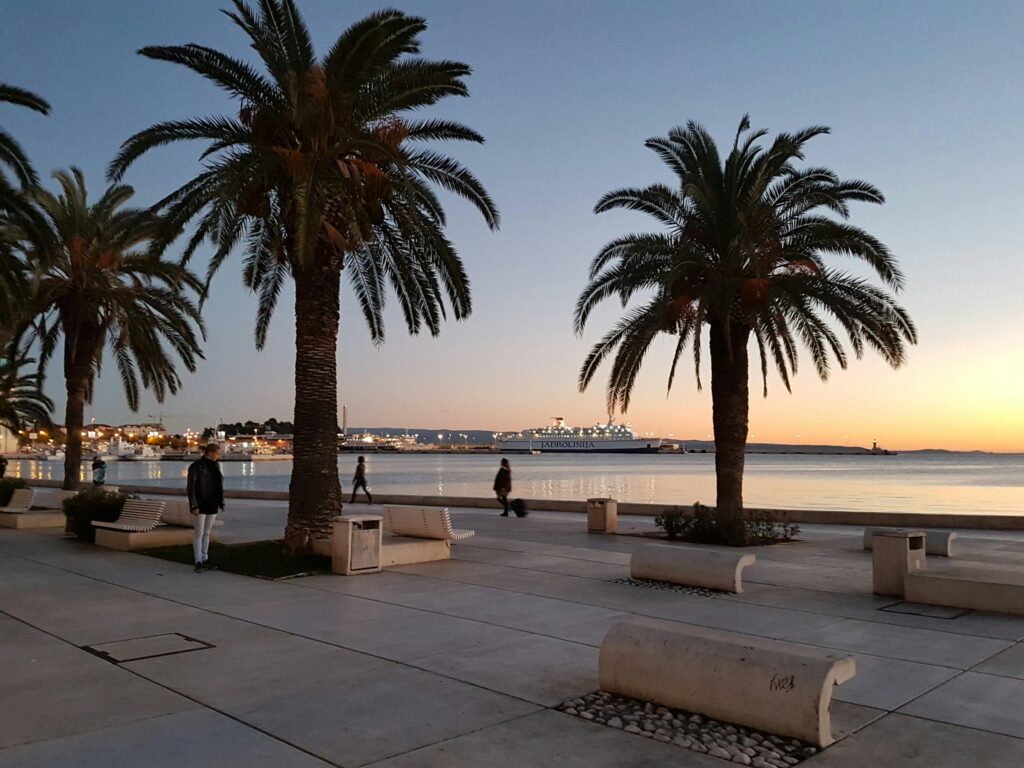
June the 3rd, 2026 – Split is moving towards tightening nightlife rules as the popular Dalmatian city targets alcohol sales and its infamous late-night disorder.
Split is rapidly moving ahead with a new wave of measures aimed at tightening control over nightlife across the city centre, with proposals that would restrict late-night alcohol sales and introduce stricter rules for shops and hospitality venues across the board. For many, there’s a question of whether or not these proposed new rules have any sense to them at all.
The ambitious plans have been repeatedly discussed in more recent weeks as we head towards the summer season. They form part of a broader and strong push by city authorities to address growing concerns over public disorder, excessive alcohol consumption, and the impact of nightlife tourism on residents.
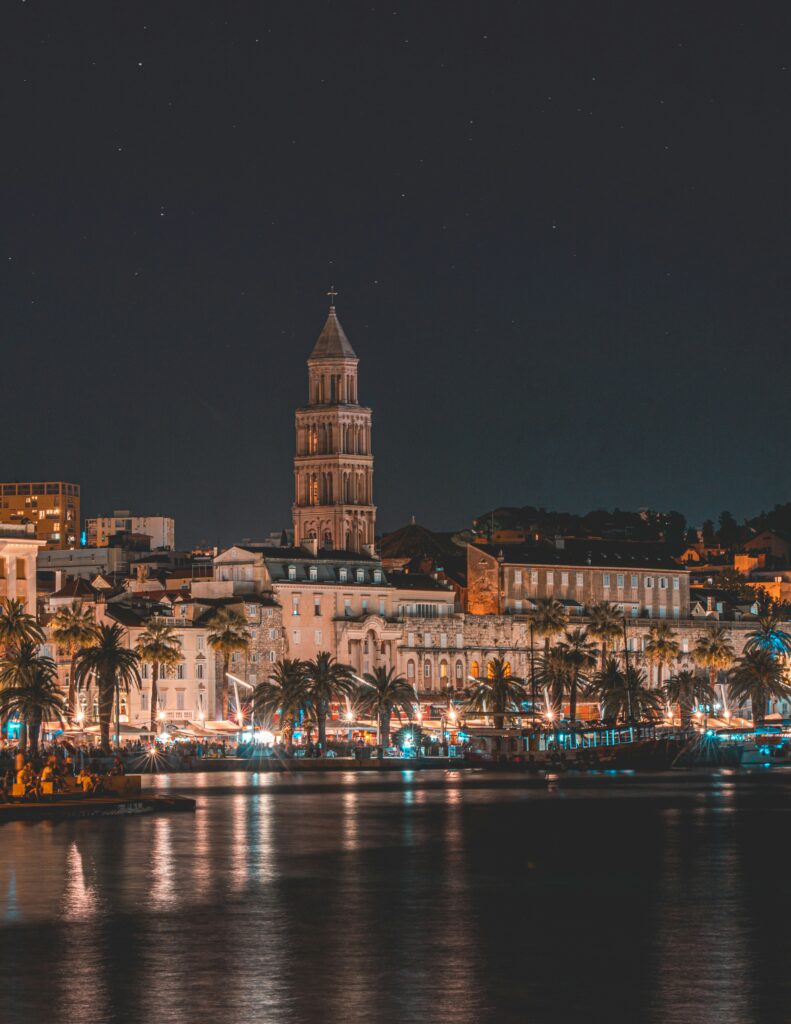
According to proposals presented by the city administration, restrictions would primarily target retail outlets such as supermarkets and kiosks, with a ban on alcohol sales during late-night hours expected to be enforced in central areas during the summer season. Licensed venues such as bars and clubs would remain exempt.
The move is closely tied to wider changes at national level, where amendments to Croatia’s Trade and Hospitality Act are expected to give municipalities greater authority to regulate when alcohol can be sold within their jurisdictions.
Split officials argue the changes are necessary to restore balance between tourism and everyday life in the historic centre, which has seen increasing pressure in recent years due to the growth of party tourism, particularly during peak summer months.
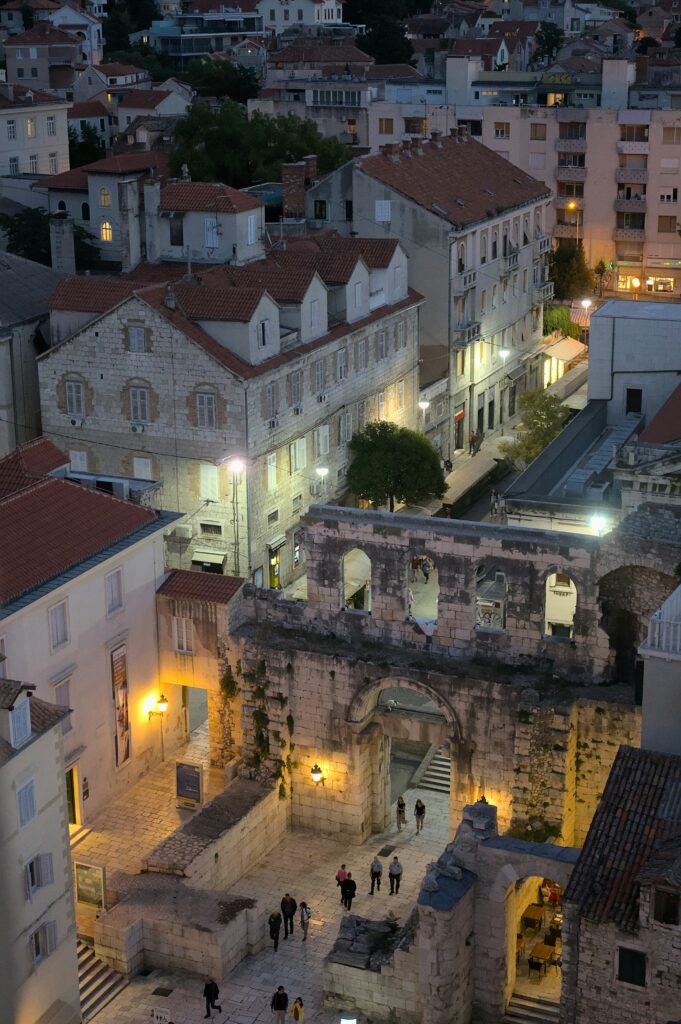
The city centre has been identified as a key problem area, with a high concentration of bars, clubs, and late-opening shops contributing to noise, public intoxication, and disruption for residents.
Under the proposed framework, the city would be able to define “problem zones” where stricter rules apply, including time-based restrictions on alcohol sales and tighter enforcement of public order regulations.
The powers that be in Split’s local government have previously stated that the aim is not to ban nightlife at all, but to regulate it more effectively, ensuring that tourism remains sustainable while reducing disturbances in residential areas. The proposals have sparked debate between those who see the measures as a necessary step to protect quality of life, and those who warn they could impact Split’s attractiveness as a nightlife destination and create confusion for visitors.
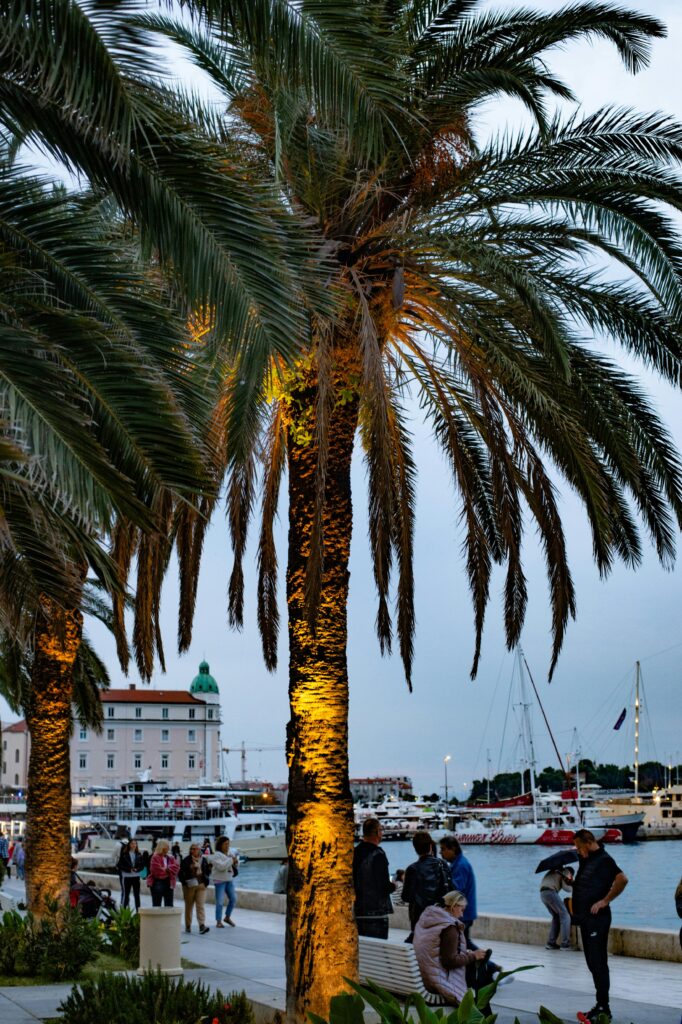
If adopted, Split would join a growing number of Mediterranean destinations attempting to recalibrate their tourism model, balancing record visitor numbers with increasing pressure on infrastructure, housing, and local communities. The final decision is expected after further discussion in the city council and consultation on the national legal amendments that would enable the new regulatory powers.