June the 4th, 2026 – Croatia’s new package of anti-inflation measures, but instead of generating universal support, it has left tourism landlords feeling furious.
The Croatian Government’s latest proposals have sparked immediate backlash from parts of across the entire tourism and private accommodation sector, the country’s strongest economic branch by far.
As Croatia enters another crucial summer season likely to be thronged with people from across the world, landlords, apartment owners and tourism associations are warning that some of the measures could hurt small property owners and further complicate an already challenging business environment. The dispute is quickly becoming one of the country’s most important economic stories because it sits at the intersection of inflation, tourism, housing and the cost of living.
croatia’s Government says inflation remains a major concern
Although Croatia’s inflation rate has fallen significantly from its post-pandemic highs, prices remain one of the biggest concerns for Croatian households. Food, housing, services and hospitality costs have all increased substantially over the past several years. The government argues that further action is needed to protect consumers and prevent excessive price increases. Officials say the latest package is designed to maintain purchasing power and reduce pressure on household budgets.
the tourism sector has a totally different view
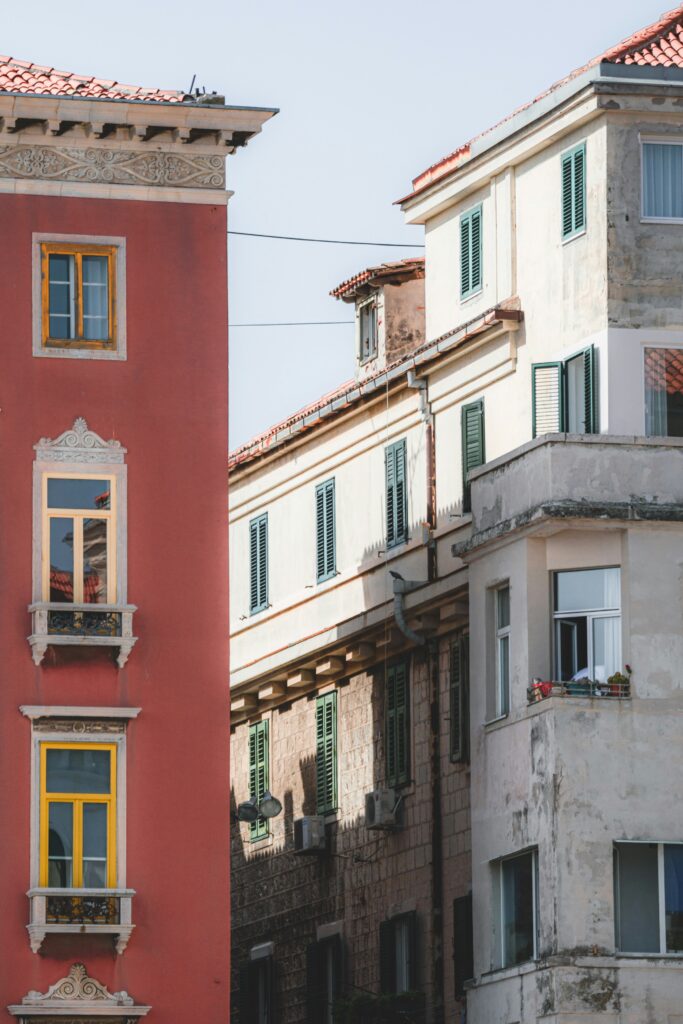
Many tourism operators and private accommodation owners argue that they are being unfairly blamed for broader economic trends. They point out that costs have risen sharply across the board: utilities are more expensive, maintenance costs have increased, labour costs continue rising, and tax and regulatory burdens remain very significant.
From their perspective, higher prices are often a response to higher operating costs rather than an attempt to maximise profits.
Private tourism landlords are particularly vocal

The strongest criticism has come from owners of private apartments and holiday rentals. Croatia has hundreds of thousands of tourist beds operated by individual families rather than large hotel companies. For many households, tourism income represents a major part of annual earnings. Industry representatives warn that additional regulatory pressure could discourage investment and make small-scale tourism less attractive.
The controversy touches on a broader debate that has been growing for years. Many Croatians believe housing has become increasingly difficult to afford, particularly in coastal cities where tourism demand has pushed property values higher. Critics argue that the rapid expansion of short-term rentals has reduced the availability of long-term housing for residents. Supporters of private accommodation reject this argument, saying they are being unfairly targeted for wider market problems.
The dispute comes just as Croatia enters the most important period of the tourism year. July and August generate a large share of annual tourism revenue, making any policy changes affecting the sector particularly sensitive. Many business owners say uncertainty during the peak season is the last thing the industry needs. Government officials, however, insist consumer protection cannot be delayed simply because summer is approaching.
Tourism remains totally central to the economy
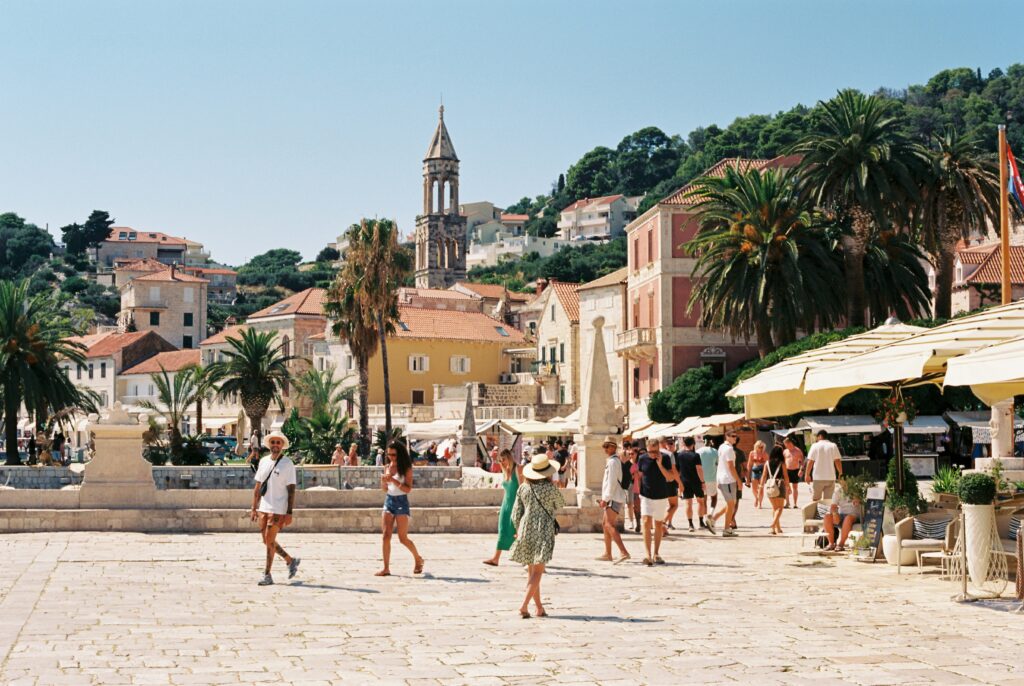
The importance of the debate reflects the central role tourism plays in Croatia’s economy. Tourism directly and indirectly supports hundreds of thousands of jobs and contributes a significant share of national economic output. As a result, policies affecting tourism often generate reactions far beyond the industry itself. What happens to apartment owners, hotels and hospitality businesses ultimately affects local communities throughout the country.
At the heart of the argument is a difficult balancing act. The government wants to prevent excessive price growth and protect consumers. Businesses want the flexibility to respond to rising costs and changing market conditions. Economists note that both concerns are legitimate. The challenge is finding a policy mix that controls inflation without undermining competitiveness.
With prices already a major issue for Croatian voters, the argument is unlikely to disappear anytime soon. Opposition politicians, tourism associations and business groups are all expected to weigh in as details of the measures are debated. For now, however, one thing is clear, and that’s that a package designed to reduce inflation has opened a new battle over the future of Croatian tourism, housing and the role of private landlords in one of the country’s most important industries. With summer now beginning, the political temperature may end up rising faster than inflation itself.