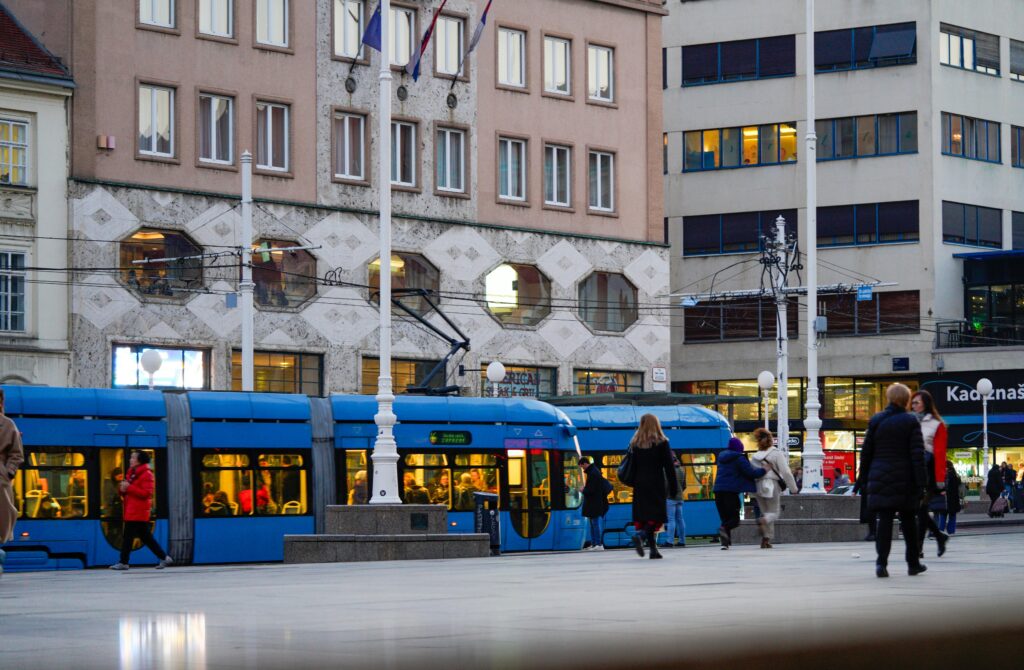
June the 4th, 2026 – The Croatian economy is slowing down after a period of enviable growth. New economic data is prompting caution among economists.
Croatia’s economy has now recorded over five years of uninterrupted growth, an achievement that would have seemed unlikely during the coronavirus pandemic-dominated years.
However, while the headline numbers remain positive, new economic data is prompting a more cautious conversation among economists, businesses and policymakers. The Croatian economy is still expanding, but it is no longer growing at the pace seen in more recent years.
the croatian economy might be slowing, but there’s still some growth
According to the latest figures, Croatia’s GDP remains in positive territory, extending a remarkable run of economic expansion. However, growth has slowed compared with previous years, raising questions about whether the country is entering a more challenging phase. For the general public, the distinction may seem technical and meaningless, but for economists, slowing growth often signals broader changes taking place beneath the surface.
Tourism can no longer do all the heavy lifting
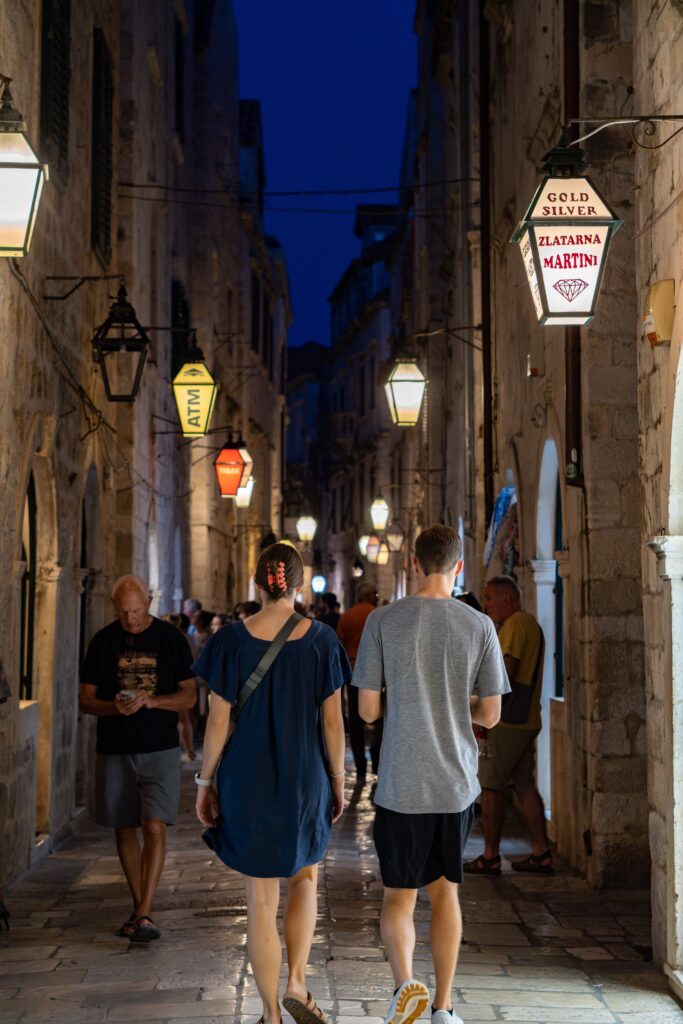
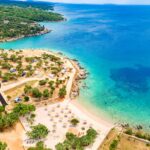
Tourism remains Croatia’s most powerful economic engine by far, accounting for a large chunk of the nation’s GDP. Record visitor numbers and strong spending have helped support growth for years. However, economists increasingly warn that tourism alone cannot sustain rapid expansion indefinitely. An overall weaker European economy, changing consumer behaviour or geopolitical instability could all affect future tourism demand. That makes economic diversification increasingly important.
Consumers are becoming more and more cautious
One factor behind slower growth is changing consumer behaviour. Although wages have risen in many sectors, inflation has also increased living costs. As a result, households are becoming more careful about spending and tightening their belts. Retail sales remain relatively strong, but economists note that consumers are no longer spending with the same confidence seen during the post-pandemic recovery period.
Foreign workers helped fuel croatia’s striking growth
Another major factor behind recent economic success has been the arrival of foreign workers. Croatia’s labour shortages have been partially offset by workers from Nepal, the Philippines, India and other countries. Without them, many sectors, including highly important ones like tourism, construction and retail, would have struggled quite intensely to maintain current activity levels. It is worth noting that serious labour shortages and demographic issue remain a challenge despite this influx from distant countries.
One bright spot continues to be construction. EU-funded infrastructure projects, housing developments and public investment programmes are helping support economic activity across the country. From roads and railways to schools and energy projects, investment remains an important growth driver. The question on everyone’s lips now is whether or not these projects can continue generating momentum once current funding cycles end.
Inflation remains an enormous concern
Although inflation has moderated compared with previous peaks, prices remain a major concern for Croatian households. Food, housing and service costs continue to weigh on family budgets. The government’s recent anti-inflation measures reflect growing concern about the political and economic consequences of rising prices. Many economists believe inflation in Croatia will remain one of the defining issues of the year, and likely into 2027.
Croatia’s economy is closely tied to the wider European Union in a closer way now than ever before. When Germany, Italy and Austria slow down, Croatia often feels the impact. Exports, tourism and investment are all linked to economic conditions elsewhere in Europe. That means Croatia’s future growth prospects depend not only on domestic policy but also on developments beyond its borders.
Most economists stress that slower growth doesn’t mean Croatia is heading into recession at all, and the economy is actually still relatively resilient compared with many previous periods. Employment levels are relatively strong and public finances are significantly healthier than they were a decade ago. However, the latest figures serve as a reminder that extraordinary post-pandemic growth was unlikely to continue forever, and it is an important reality check as the Croatian economy finally slows down.
For years, Croatia’s economic story has been one of recovery, resilience and expansion beyond what anyone could have possibly expected a decade or so ago. Now the conversation is beginning to change, as instead of asking how fast the economy can grow, policymakers are busy asking how sustainable that growth is. The answer will shape decisions on labour, investment, housing and tourism in the years ahead.