
July the 31st, 2026 – Svetac is a very remote Croatian island where abandoned history and wild, untamed nature come together in perfect harmony without any interference from humanity.
Hidden far out in the Adriatic Sea, just west of the far-flung island of Vis, the small island of Svetac is one of Croatia’s most isolated destinations. Also known as Sveti Andrija, the small offshore island is renowned for its dramatic cliffs, fascinating past, unique wildlife and complete and utter absence of permanent residents.
Located around 30 nautical miles from the mainland, Putni kofer writes that Svetac belongs to the Vis archipelago and lies just 2.5 kilometres from the volcanic islet of Brusnik. Throughout history it has been known by several names, including Sant’Andrea during Venetian rule and the local name Štondrija.
“a place for dreamers and madmen”
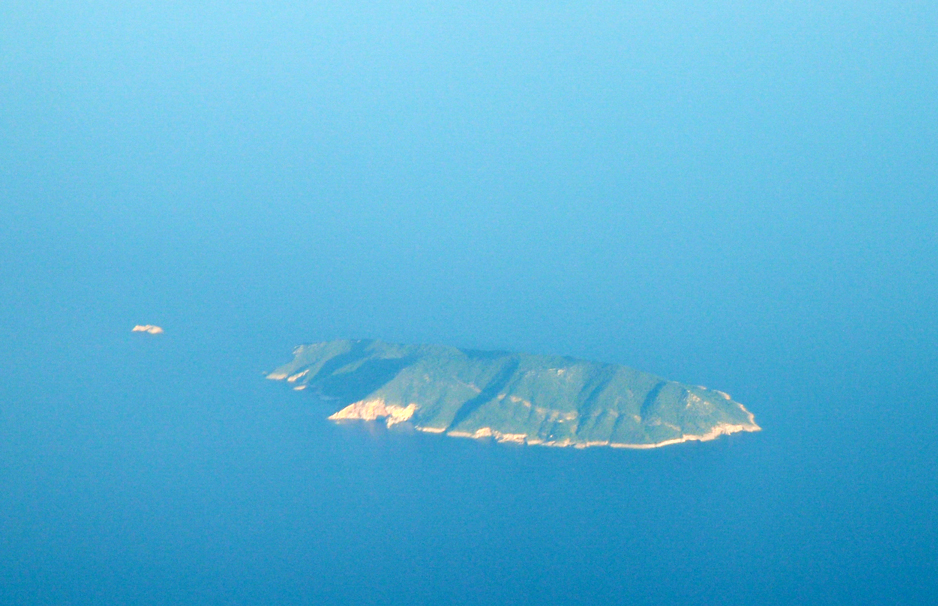
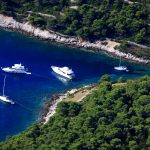
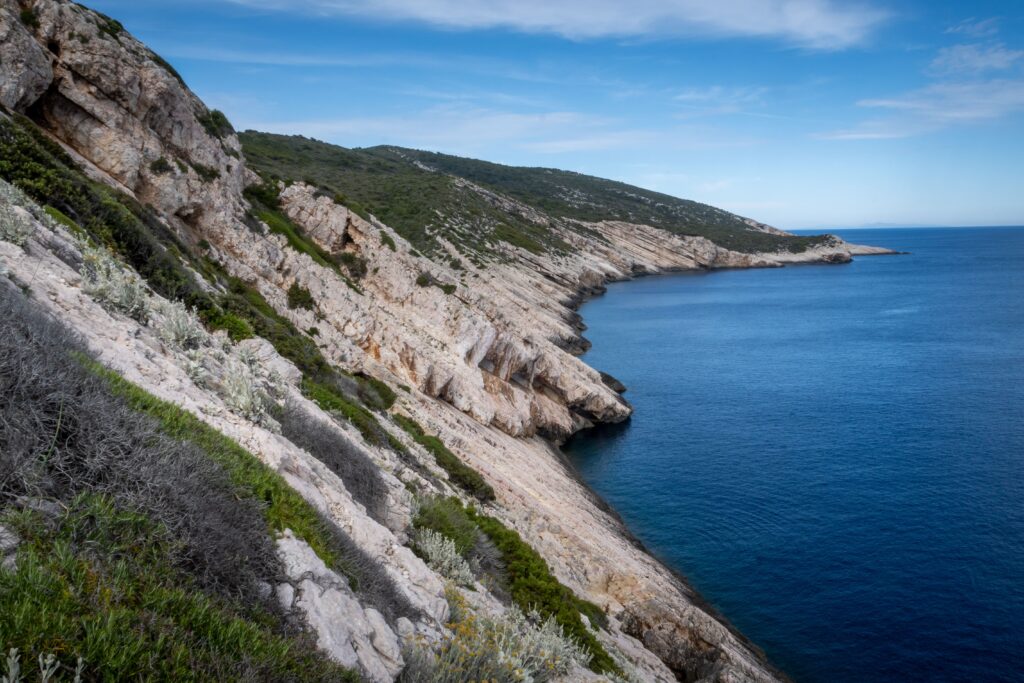
The island’s rugged coastline makes landing difficult. Towering cliffs surround much of the shore, leaving Slatina Bay on the southeastern side as the only practical place for boats to come ashore. Above the coast rises Kosa, the island’s highest peak at 316 metres, while strong sea currents and open waters add to its reputation as one of Croatia’s most challenging islands to reach. Croatian poet Tin Ujević famously described it as a place “for dreamers and madmen.”
Svetac also stands out for its climate. It is considered the warmest location in Croatia, with temperatures never falling below freezing. The island’s average annual temperature is around 17.4 degrees Celsius, comparable to Mediterranean locations such as Malta.
uninhabited since the year 2000…
Despite its isolation, Svetac has a long history of human settlement. Archaeological discoveries include ancient anchors, Roman remains and the ruins of a Byzantine fort. Benedictine monks lived on the island during the 15th and 16th centuries before ownership later passed to the Zanki family, who arrived from Italy’s Gargano Peninsula in the mid-18th century. The family originally settled there to harvest pine resin, leading many people to refer to Svetac as “the island of the Zankis.”
The island’s harsh environment has always made life difficult. There is no natural source of drinking water, strong winds frequently batter the coast and powerful southerly storms have claimed lives over the centuries. For generations, fishermen provided the islanders’ only connection to the outside world, sometimes becoming stranded themselves when rough seas prevented them from leaving. The final permanent resident died in January 2000, leaving the island uninhabited ever since.
wildlife and nature – svetac’s greatest treasures
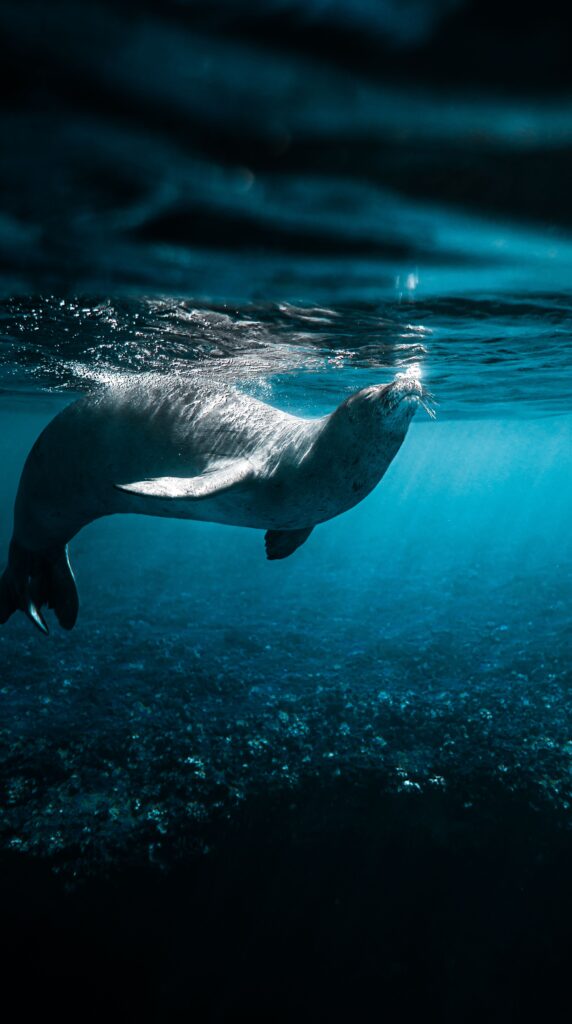
Nature remains one of Svetac’s greatest treasures. Carob trees grow across the island, while it provides habitat for Eleonora’s falcon and Europe’s largest owl species. Mediterranean monk seals once frequented its shores, and the surrounding waters were historically rich in lobsters.
The island also carries a darker legend. Its pine forests were once heavily exploited for resin used in shipbuilding, while shepherds grazing church-owned sheep were said to have killed English shipwreck survivors. According to local tradition, this earned Svetac the nickname “Devil’s Island” among British sailors, reinforcing its reputation as a mysterious and forbidding place.
Today, although no one lives permanently on Svetac, its untouched landscapes, remarkable history and remote location continue to fascinate travellers looking to discover one of Croatia’s last truly wild islands.