August the 8th, 2026 – Czech tourists are finally returning to Croatia in larger numbers after years of decline, with interest in the pre-season also on the up.
Croatian tourism is once again recording growing interest from some of its key European markets, with the biggest shift visible on the Czech market. Ana Roksandic reports for Poslovni that this is occuring after several years of marked decline.
The first data from the eVisitor system for this year confirms the continuation of positive trends on several traditionally important European markets. Croatia is currently recording a strong return of guests from the Czech Republic, stable growth in interest from Hungarian tourists, and a renewed positive dynamic with the Italian market, the Croatian National Tourist Board (HTZ) announced, noting that these are preliminary figures.
Umag, Poreč and Medulin…

Results achieved in the first seven months of the year show that interest from guests from these markets is growing not only during the main summer season, but also in the pre-season, which is particularly important for Croatian tourism in its efforts to further extend the tourist year and reduce dependence on the peak of the season. The most pronounced growth is visible on the Czech market. During the month of July, the number of arrivals by Czech guests was 12 percent higher than in the same month last year, while the number of overnight stays rose by seven percent. Cumulatively, from January to the end of July 2026, Czech tourists recorded five percent more arrivals and overnight stays than in the same period last year.
The return of Czech guests is particularly significant because this is a market that in recent years had been recording a decline in tourist traffic to our country. The largest number of overnight stays by Czech guests during the first seven months was recorded in Istria, Split-Dalmatia and Zadar counties, while among the most visited destinations were Umag, Poreč and Medulin. The return of Czech guests is important for the tourism sector because this is a traditionally large and stable source market whose guests often stay longer and choose different parts of the Croatian coast.
the hungarians are also recording more promising numbers
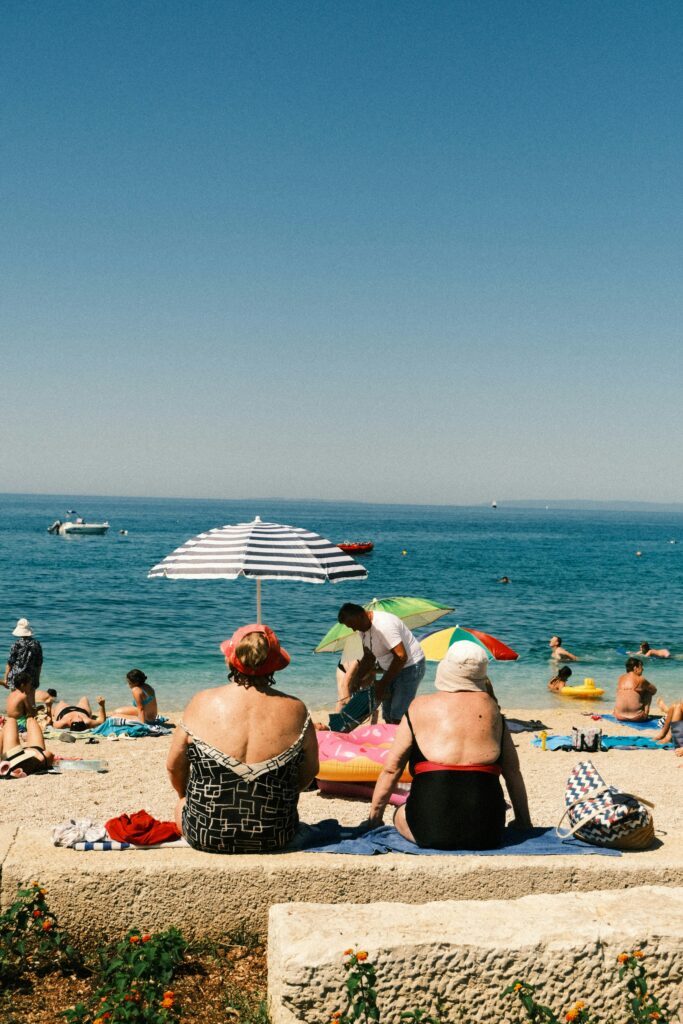
In addition to the return of the Czech market, positive results are also coming from neighbouring Hungary. This market has for years played an important role in Croatian tourism, primarily due to geographical proximity, good transport connections and the continuous interest of Hungarian guests in holidays on the Adriatic. In July, Hungarian tourists recorded eight percent more arrivals and seven percent more overnight stays than a year earlier, while in the first seven months of 2026 growth of seven percent was recorded in both arrivals and overnight stays.
The largest number of Hungarian guests stayed on Kvarner, in Istria and in Zadar County, confirming their importance for the northern and central parts of the Croatian coast. Particular attention is also being drawn by the renewed positive dynamic with the Italian market. After a period of stagnation, Italian guests have since the beginning of the year once again been showing greater interest in Croatia.
In the first seven months they recorded two percent more arrivals and overnight stays compared with the same period last year, while in July alone the number of arrivals increased by one percent. The Italian market has additional importance for Croatia because of specific travel habits. Italians often choose shorter holidays, weekend trips and stays outside the main season. This year they were particularly attracted by destinations in Istria and on Kvarner.
“experience real croatia”
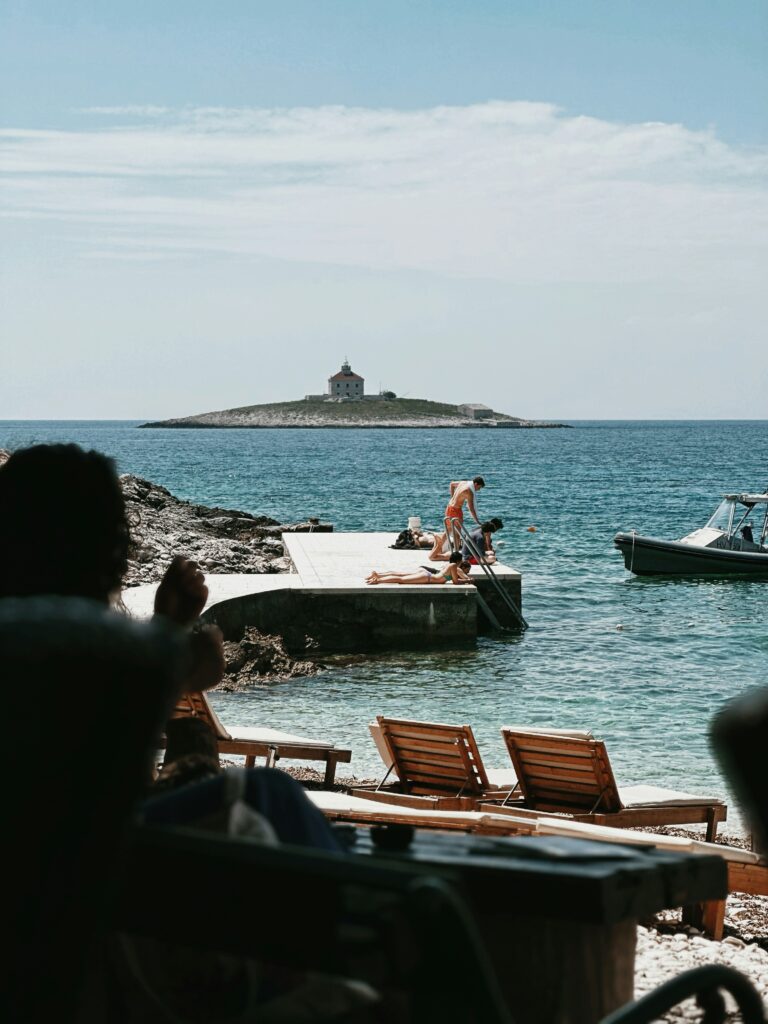
Alongside the growth in interest from European guests, an additional contribution to strengthening competitiveness is being made by the development of the private accommodation offer. In July, the Croatian National Tourist Board (HTZ), in cooperation with the Booking.com platform, launched the campaign “Experience real Croatia”, aimed at promoting hosts gathered under the Local Host label. The campaign was launched in Germany, Austria, Poland, the Czech Republic and Hungary.
“Today’s guests increasingly seek authenticity, a personal approach and experiences that allow them to get to know the destination in an interesting way. It is precisely with this goal that the Local Host label was developed, which recognises and promotes hosts whose work contributes to the preservation of the identity of the destination, its culture, tradition and environment,” said Kristjan Staničić, director of HTZ.