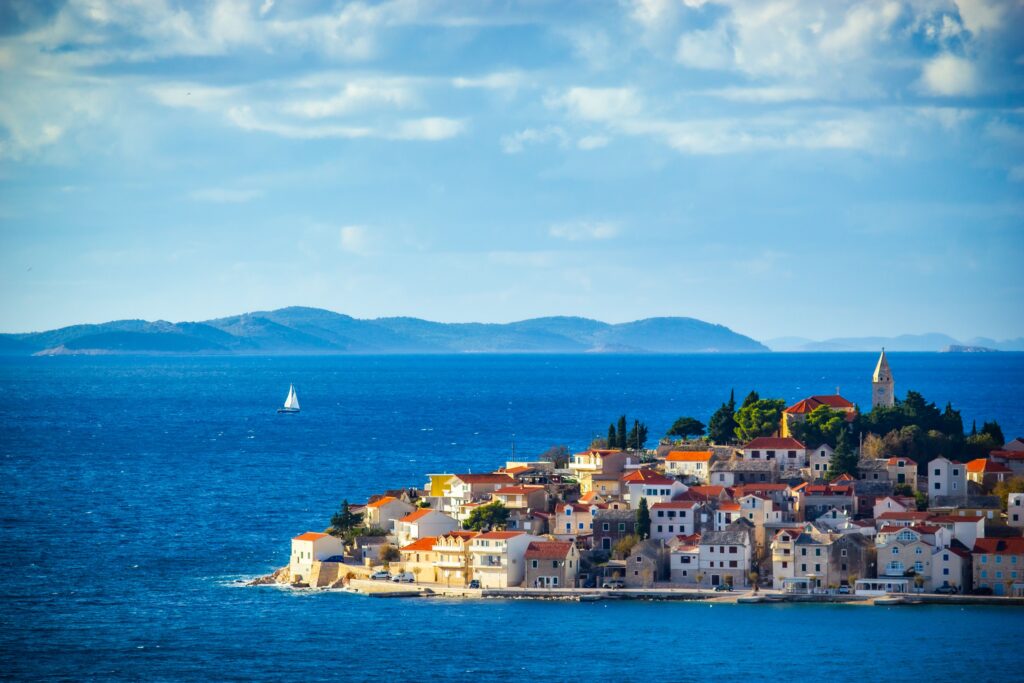
October the 8th, 2026 – Another very successful Croatian tourist season is now behind us, with last-minute bookings seemingly becoming the new rule.
Croatia now has yet another very successful tourist season behind it, as assessed by Damir Krešić, director of the Institute for Tourism on HTV’s central news programme. Poslovni reports that he emphasised that the result is particularly important given the complex geopolitical and economic circumstances. “Although this tourist season may not have been a big leap forward compared to last year’s, given the extremely complex geopolitical and economic conditions in which it took place, I think we really should be satisfied,” he said.
As one of the most important trends he singled out the growing share of last-minute reservations, the so-called last-minute booking. “That is something we will have to get used to in the future. It is no longer an exception; it is becoming the rule in tourism, he said. Krešić also pointed out that the price increase this year was significantly milder than last year. Tourists, he added, are becoming more rational and are managing their money more carefully. In addition to safety, which has been one of the important factors in choosing a tourist destination since the pandemic, climatic conditions are also becoming increasingly important.
climate change is playing an increasingly important role
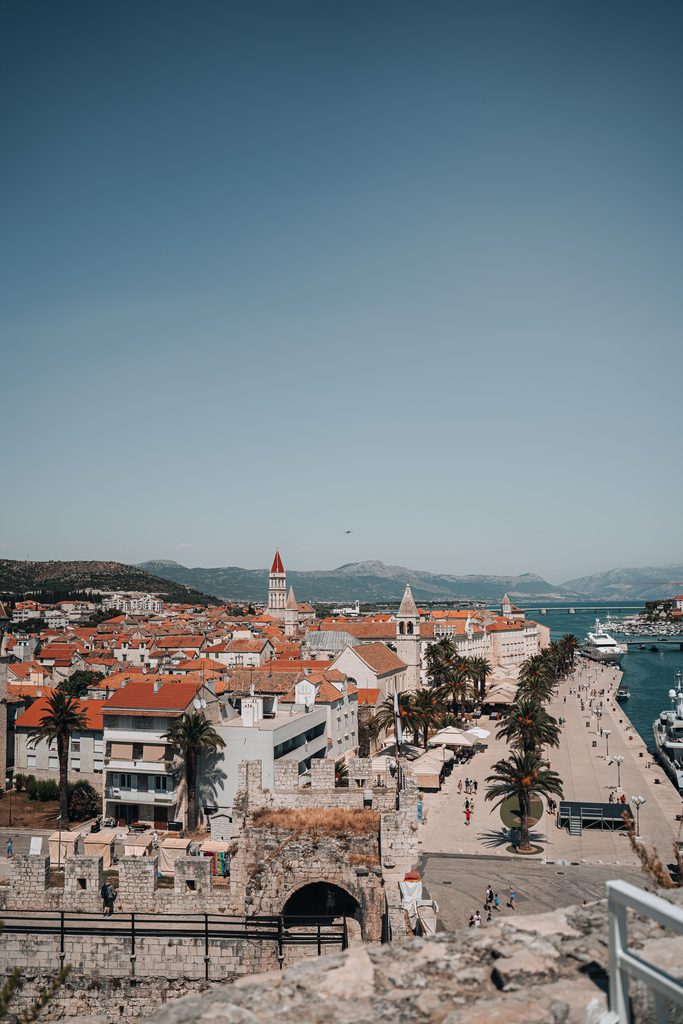
Climate change and increasingly pronounced temperature extremes during the hot summer are increasingly influencing tourist behaviour, but for now, there are no concrete indicators that tourist demand is being significantly redirected from the Mediterranean towards northern Europe because of high temperatures, Krešić assessed. It is, however, absolutely happening. According to him, due to ever-higher temperatures, some tourists may avoid travelling during the boiling months of July and August and shift them to more pleasant parts of the year. “Perhaps those trips during July and August are less attractive, where demand spills over into May and June, or into September and October, that is, into the pre-season and post-season period,” Krešić said.
croatia’s seasonality curse
He also pointed out that Croatia still has a pronounced seasonality of tourism, but, as he said, it is not only a Croatian problem, but a characteristic of tourism in all Mediterranean countries. As one of the ways to reduce seasonality he singled out the development of new and high-quality tourist facilities in the pre-season and post-season that are not necessarily linked to sun and sea. Sun and sea will remain our main tourist resource for many years to come, he said, but added that the offer needs to be supplemented with facilities that can attract guests outside the main season as well.
He also considers it important to open new, especially distant markets. Some guests from overseas markets, he says, may not prefer coming to Croatia at the peak of the season, but precisely in the pre-season and post-season. Krešić believes that Croatia should also target different sociodemographic groups of tourists more. Currently among the most important guests are families with small children, who have limited travel options due to school obligations. “There are business tourists, there are pensioners, there is a whole series of other sociodemographic groups, Krešić said, emphasising that attracting precisely such guests could contribute to reducing seasonality. Tourist development, in addition to revenues and benefits, also brings certain social, spatial and environmental costs, Damir Krešić warned. Among them he singled out the lower inclination of young people towards education in destinations with a high intensity of tourism.
education in tourism
Krešić said that the inclination towards education among people living in such destinations is a little lower than the Croatian average. “That is one of the social costs of tourist development that we rarely take into account when looking at what the benefits and what, in a way, the costs of that tourist development are, he said. According to him, when assessing the effects of tourism one should not look only at the revenues it generates, but one should also subtract the costs of tourist development from them.
“In order for us to correctly balance the development of tourism, we must not look only at foreign, or as we used to call them, foreign-currency revenues from tourism and total revenues from tourism, but from those revenues we need to subtract the costs, he emphasised. Among the more important costs he singled out the impact of tourism on the environment and space, but also the social consequences. “One of those social costs is actually the reduction in the inclination of young people towards education, Krešić said, Of course they are less inclined towards education because through rentierism, in a way, they can much more easily secure some kind of comfortable existence for themselves.