Today, as Americans are flocking to Europe’s hot spots, the Croatian coast is also attracting more attention. Although it is not yet as well-known as Italy or Spain, it offers dozens of impressive islands, from quiet, remote islands to lively tourist centers. At the same time, the distance between Croatia and the United States is about 4,300 miles, which makes the trip fairly expensive for Americans.
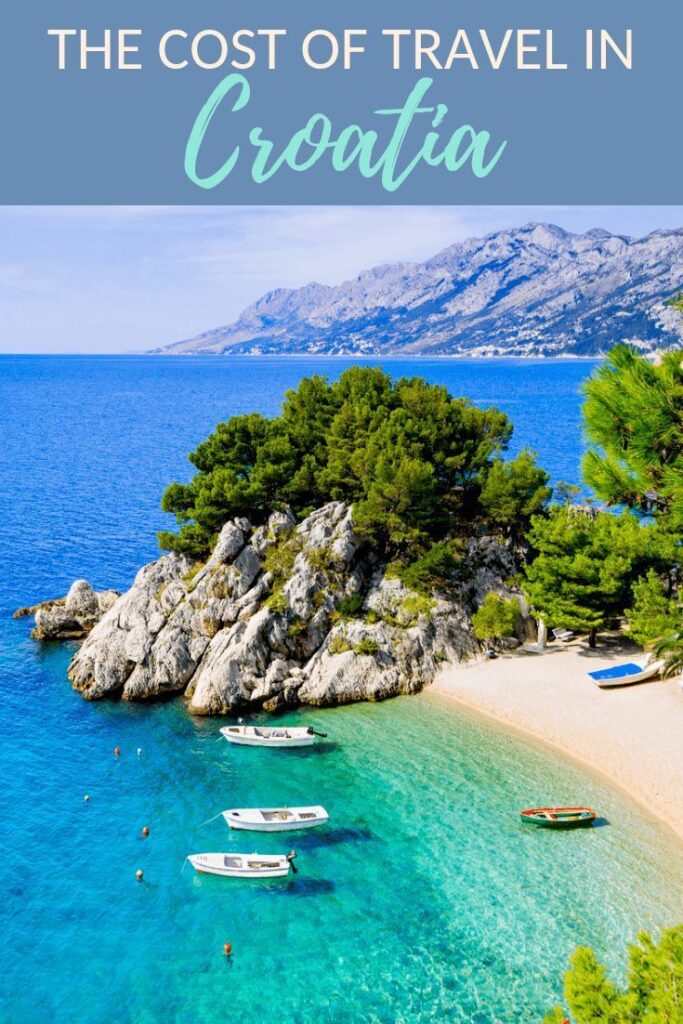
Why Croatia Appeals to US Travelers
Traveling between islands in Croatia is very convenient, as passenger boats regularly run from Split and Dubrovnik to the major islands. Their one-way fares usually do not exceed $30, making it possible to see several islands on a fairly budget-friendly basis. By comparison, in other island countries, flights between islands often cost more than $100 per one-way trip.
Americans also appreciate the time savings, as they do not have to spend extra time on the road or stay overnight in hotels, which is important since during the summer peak season, a night on a popular island can cost between $150 and $250.
Another reason Americans come here is the combination of historic cities and the ability to relax on the beach without the need to rent a car every day. This can save on gas and parking costs of $60 to $150 per day.
However, there are some nuances. If the plans include remote beaches or arriving on an island late, when ferries are no longer running, taxis may be needed. In that case, part of the saved money may go toward transportation, adding another $20 to $60 per day in expenses.
Top 3 Islands in Croatia
Croatia is home to one of the most beautiful nature reserves in the world. With more than 1,000 islands, only about 50 of which are inhabited. The most popular among American tourists are the islands of Hvar, Brač, and Mljet.
Hvar
The island of Hvar almost always finds itself in the spotlight. The island is conveniently located along major sea routes, which is why it served as an important stop for ships for centuries. This is why there are so many ports and sheltered bays that are still actively used today.
The historical heart of the island is Stari Grad, with its long history and slow, relaxed pace. The town of Hvar offers a completely different atmosphere. It is the most lively place on the island and the center of resort life.
Outside the towns, Hvar reveals a different side. The island offers many natural landscapes: pine-fringed beaches, rocky areas along the southern coast, and quiet seaside spots for relaxation. In the central part of the island, you can see lavender fields near small villages.
Brač
Brač is a large island in central Dalmatia, known for its calm and authentic island atmosphere. The main town is Supetar, a convenient base for exploring the island and getting to know the local cuisine, especially olive oil made from the rare Buhavica olive variety.
The island is also famous for its white stone. It has been used for centuries, and it is the material used to build well-known landmarks such as the White House in Washington and the parliament buildings in Vienna and Budapest.
Mljet
Mljet is one of the greenest islands in Croatia and an ideal place for a quiet nature-focused getaway. In the northwestern part of the island, there is a national park with two lakes. On a small islet inside one of them stands a 12th-century Benedictine monastery. The park is easiest to explore on foot, by bicycle, or by kayak or canoe. Mljet is also known for its wines, olives, and goat cheese.
Major Cost Factors for Island Hopping
How much you spend on traveling between islands in Croatia depends on the season, the pace of your trip, and how comfortable you want your vacation to be. If you want to see as many islands as possible in a short period of time, your budget may increase by $60–180, as you will need to buy boat tickets. If you choose a more relaxed trip focused on two islands, these costs can be reduced by about 1.5 times.
Here is what makes up the budget for a trip to Croatia:
- International flights.
- Boats and ferries.
- Hotels and rental accommodation.
- Food.
- Local transportation and tours.
If you compare these expenses with your travel style in advance, you can clearly understand how much money you need to set aside for the trip. This approach helps minimize extra costs, such as an additional night in a hotel, which in July or August can easily cost around $180.
Flights From the United States to Croatia
A trip for an American traveler to Croatia usually begins with a flight to Split (SPU) or Dubrovnik (DBV). Prices typically range from $700 to $1,200 round trip. Lower fares are usually available outside the summer season, while during peak season, prices naturally increase. However, by using flight search websites such as Skyscanner and KAYAK, you can compare options and choose the most suitable one.
Additional costs during the flight are also possible. Checked baggage on many transatlantic flights costs between $35 and $75 one way, especially if the itinerary includes connections and multiple airlines. If you want to choose a seat with extra legroom, this may also cost up to $50. Automatic check-in may also cost between $10 and $20. As a result, even the most affordable ticket can increase in price when additional services are added.
If you have more time and are fairly flexible, it can be cheaper to fly to Zagreb (ZAG) and then travel within the country from there. A domestic flight or a combination of a bus and a ferry usually costs between $40 and $150. This option makes sense when flight prices to Split or Dubrovnik approach the upper end of the range, around $1,200.
Ferry and Catamaran Prices Between Islands
Travelers move between the islands by ferries and catamarans. One of the most popular routes is from Split to Hvar on a high-speed passenger vessel. The ticket costs $29.38, and each piece of luggage costs $5.88.
Ticket prices vary by route and season. The high-speed Korčula–Hvar–Split route costs about $7.52 in the off-season and around $13.40 during the summer period. On the Split–Korčula route, prices are approximately $10.93 in the off-season and $15.04 in the summer.
If your trip includes three paid sea crossings, a realistic ticket budget will be about $30–90 per person or $60–180 for two people. If you add port transfers and baggage fees, total transportation costs for a couple for a week can be around $100–250.
Domestic Flights and Alternative Transfers
Domestic flights in Croatia are convenient when you need to quickly get from a city located inland to the coast or change your vacation location. The price of such flights is $50–150 per person. Checked baggage usually costs extra, adding up to $40. Even with these additional fees, this option can still be more cost-effective than spending an entire day traveling and staying overnight in a hotel that costs $150–200.
Ground transportation also helps reduce costs. Buses along the coast are inexpensive and make it easy to reach Split or Dubrovnik, where you can conveniently transfer to boats. On the island of Hvar, there is a simple and budget-friendly bus route between the town of Hvar and Stari Grad, with tickets costing approximately $2.35–4.70.
Private transfers are the most expensive option, but sometimes they are necessary. A ride in a private car to a ferry port can cost between $60 and $150. However, this option can help you avoid missing the ferry and prevent a trip cancellation.
Accommodation Costs Across Croatian Islands
Accommodation makes up a significant part of an American traveler’s budget. When traveling during the peak season and visiting multiple islands, it is reasonable to budget $150–250 per night for clean, well-located rooms on popular islands. The average price on Hvar is usually around $97, and about $181 during the high season. In Dubrovnik, prices are approximately $85 and $156, respectively. These prices show why it is important to plan your route, as a missed ferry can easily add an unplanned $200 to your budget.
Budget Lodging Options
Affordable accommodation does not mean cheap. During peak season, a bed can cost $35-$70 per night, while private rooms can range from $80 to $140 if booked at the last minute. If the hotel is far from the port, you should also add $25 for transportation.
Mid-Range Hotels and Guesthouses
Most American tourists choose mid-range hotels: a private room, a convenient location, and air conditioning. The cost of such accommodation is $120–220 per night, and prices are higher closer to ports and old towns. Staying in a guesthouse can offer better rates, but additional services, such as paid parking, can quietly increase the total cost.
Luxury Hotels and Resorts
During the peak season, prices for luxury rooms reach around $291. On the islands, beachfront premium hotels can be even more expensive. Luxury travel also raises costs in other categories. A cocktail at a hotel bar can cost $12–18, beach amenities can cost $30–80, and private transfers can add $100 or more per day if you are traveling between remote bays and towns.
Food and Drink Expenses on the Islands
Food in Croatia is quite affordable as long as you avoid tourist-heavy areas, such as central squares. In Split, a lunch at a restaurant costs about €15 ($17.63). Dinner for two at a mid-range restaurant costs around €70 ($82.25). Fast food costs about €9.50 ($11.16).
Eating on the islands is more expensive, especially in July and August. A simple lunch at a restaurant near the harbor can cost $20-$35 per person. A more substantial dinner with drinks can easily cost $60–120 per person, depending on whether you order seafood and wine.
To keep food costs from stretching a limited budget, it helps to mix different options—for example, having breakfast at a bakery for $3–6, eating groceries from a store for lunch for about $15, and having dinner at a restaurant for $30–45. This way, daily food expenses can be kept around $70.
Transportation Costs Within Islands
Local transportation in Croatia varies in price depending on what you use:
- Bus between Hvar and Stari Grad — a convenient and inexpensive option. A ticket costs only $2.35–4.70. On transfer days, this bus can fully replace a taxi.
- Taxis. In Split, the starting fare for a taxi is about €3.32 (approximately $3.90), and each mile costs about €2.99 (about $3.51). On the islands, taxis are more expensive.
- Water taxis. A ride can cost between $15 and $25, and if you use it frequently, you can spend up to $100 in a single day.
Popular Island Routes and Typical Budgets
For those traveling to Croatia for the first time, it is worth choosing the route: Split → Hvar → Korčula → Dubrovnik. If you use high-speed ferries, you should budget $40–90 per person for sea transfers. When baggage fees and airport transfers are added, the cost of transportation can easily exceed $120.
Budget travelers usually spend about $54 per day. Tourists traveling with a mid-level of comfort spend around $133 per day. Luxury travel costs about $314 per day. These figures are a good guideline for planning a trip, as they already include food, transportation, and accommodation.
It is also important to keep in mind hidden expenses, such as food at ports, transfers, or missing a ferry, which often lead to additional costs.
Hidden and Variable Costs to Expect
Additional expenses always seem insignificant at first. Many travelers do not take them into account. As a result, they start looking for ways to handle out-of-pocket costs on a trip when the budget has already been exceeded and opportunities to save become limited.
Here are common hidden or variable expenses that should be planned for in advance:
- Extra baggage fees: usually $5–10 per one-way segment.
- Tourist tax: depending on the city and season, it is typically about $2–4 per person per night.
- ATM and currency exchange fees: a single cash withdrawal can cost $5–12 if you use an unsuitable ATM or accept an unfavorable exchange rate.
- Luggage storage: standard rates are around $5–12 per bag.
- Costs due to itinerary changes: missing a ferry or flight in summer may require paying for an extra night at a hotel, which can cost approximately $150–250.
Cost Differences Between Short and Extended Itineraries
Short trips often look expensive when you calculate the cost per day. This is because of fixed expenses that you pay regardless of the length of the trip. For example, if a plane ticket costs $900 and you travel for only 6 nights, the flight alone comes out to about $150 per night. And this does not yet include accommodation, food, or ferry trips. If you add two or three ferry crossings at $12–29 each, the average daily cost quickly increases.
With longer trips, the situation changes. The same $900 plane ticket spread over a 12-night trip comes out to about $75 per night. This gives you more flexibility when planning your budget: you can choose a more comfortable hotel or budget for a paid excursion without exceeding your planned expenses. In addition, on longer trips, it is easier to find better accommodation deals, for example, a $150 room a little farther from the old town instead of a $220 room right in the center.
Seasonality also strongly affects prices. Since the average cost of accommodation in Dubrovnik is about $81 per night in the low season and around $151 per night in the high season, short trips are especially sensitive to this, because all nights often fall during the most expensive weeks.
Practical Tips to Control Overall Travel Costs
A trip will cost less if you carefully plan your route, since even a small deviation can unexpectedly add $200–250 to your expenses.
Follow these practical tips:
- Stay at least two nights at each stop. Skipping one transfer day can save $30–90 per person on transportation.
- Book key cruises early in the summer. This helps avoid paying an extra $150–250 for a hotel night when all tickets are sold out.
- Pack lighter. Extra luggage on each leg of the trip adds $5–10.
- Use buses to get to ports. A bus ride costing $2.35–4.70 can replace a taxi ride costing $25–40.
- Plan one premium dinner on each island. If your regular meals cost $10–20, you can afford a $60–120 dinner without exceeding your daily budget.
- Plan for tourist taxes. Budget $2–4 per person per night, so this does not come as a surprise at checkout.
Important! It is best to book hotels and ferries well in advance of your vacation, because the earlier you book, the cheaper it will be.
Final Cost Expectations for US Travelers Planning Island Hopping in Croatia
A realistic budget is built by looking at each expense category. First come the flights, then the daily spending and transfer costs.
- Round-trip flights: $700–1,200
- Island travel: $250–450 per person per day (in summer, and when choosing the best locations, the cost can be higher)
A couple planning to spend 8 nights in mid-range hotels usually spends about $4,000–7,200 on accommodation, food, ferries, transportation, taxes, and small activities, plus another $1,400–2,400 on flights. The final total depends on the number of islands and how many nights are spent in expensive areas—near ports and old towns, where rooms typically cost $150–220 per night during the season.
To avoid overspending, it is best to choose a simple route and stick to the plan. Two islands with direct boat connections are the most cost-effective option.