May the 24th, 2026 – You walk onto a beach early in the morning only to find rows of towels already spread across the best spots, despite almost nobody actually being there, and it’s happening up and down the Croatian coast.
As Croatia prepares for another busy and now quickly approaching tourist season, there are plenty of complaints, arguments and photos connected to not only coffee receipts, but beach space reservation culture along the Croatian coast and islands.
In some destinations, the competition for a good spot by the sea is already becoming intense.
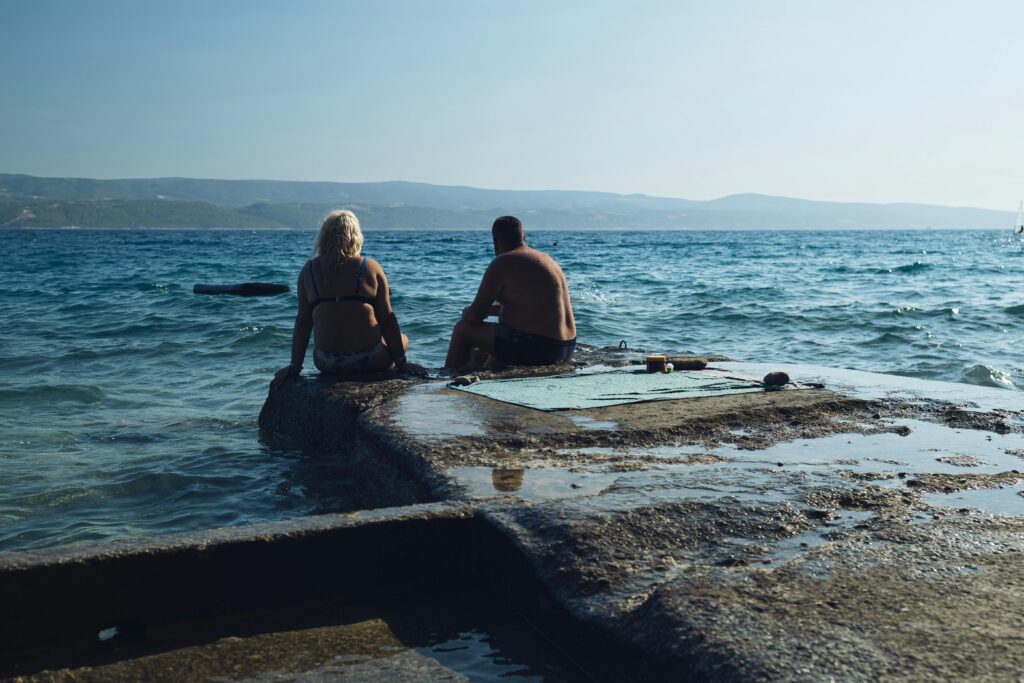
Across parts of Dalmatia, Istria and popular island destinations, tourists increasingly place towels, umbrellas and personal items on beaches early in the morning in order to “reserve” space for later in the day. In some cases, beach spots are claimed hours before the people themselves return. The practice is especially common on smaller beaches where space is naturally limited during peak summer periods. For many visitors, however, seeing empty towels occupying prime locations has become a major source of frustration.
The issue reflects a wider tourism reality about Croatia’s beaches being placed under increasing seasonal pressure. As visitor numbers continue rising, especially during July and August, available beach space in many Adriatic destinations becomes highly competitive.
Unlike countries with long stretches of wide sandy coastline, much of Croatia’s coast consists of smaller rocky coves, narrow pebble beaches and compact waterfront areas. That geography naturally intensifies crowding during peak season.
social media stokes the fire
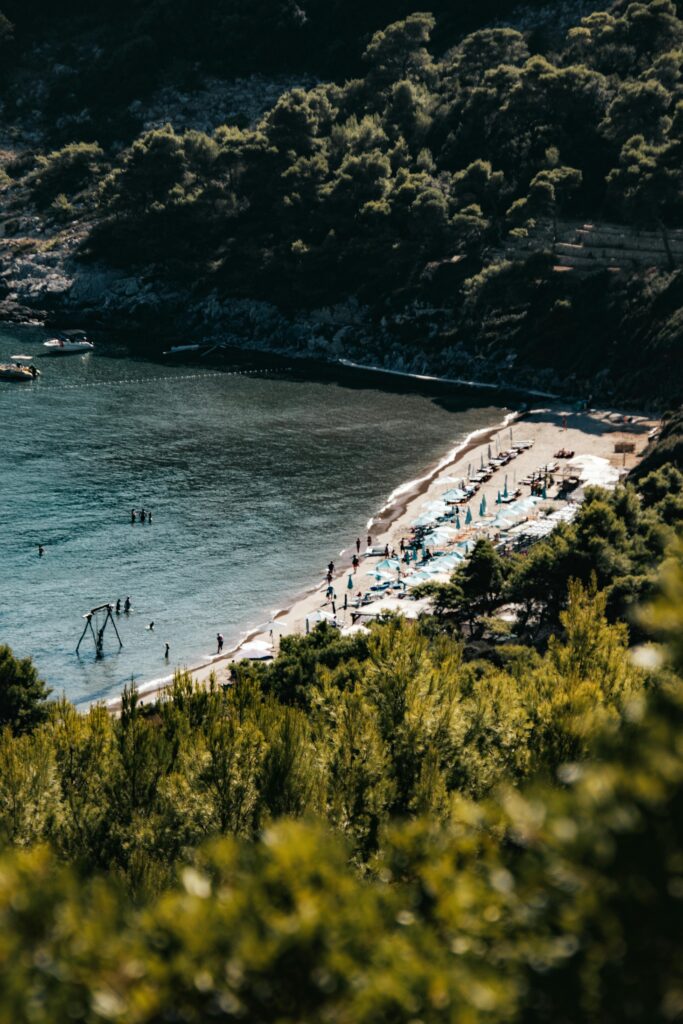
Photos of “reserved” beaches regularly spread across social media each summer, often triggering heated arguments online. Some users defend the practice as normal holiday behaviour, especially for families or larger groups. Others view it as selfish and disrespectful toward fellow beachgoers. Many frame the issue as part of a broader discussion about tourism etiquette and overcrowding on the Adriatic in general.
The expansion of private sunbed concessions on some beaches adds another layer of controversy. In certain destinations, locals and tourists alike complain that large sections of public beaches are increasingly dominated by paid loungers and reserved hospitality areas. This reduces freely available public space and makes competition for remaining areas even stronger. The issue is especially sensitive because access to the sea is deeply tied to Croatian coastal identity and public space culture.
yet another frustration for locals
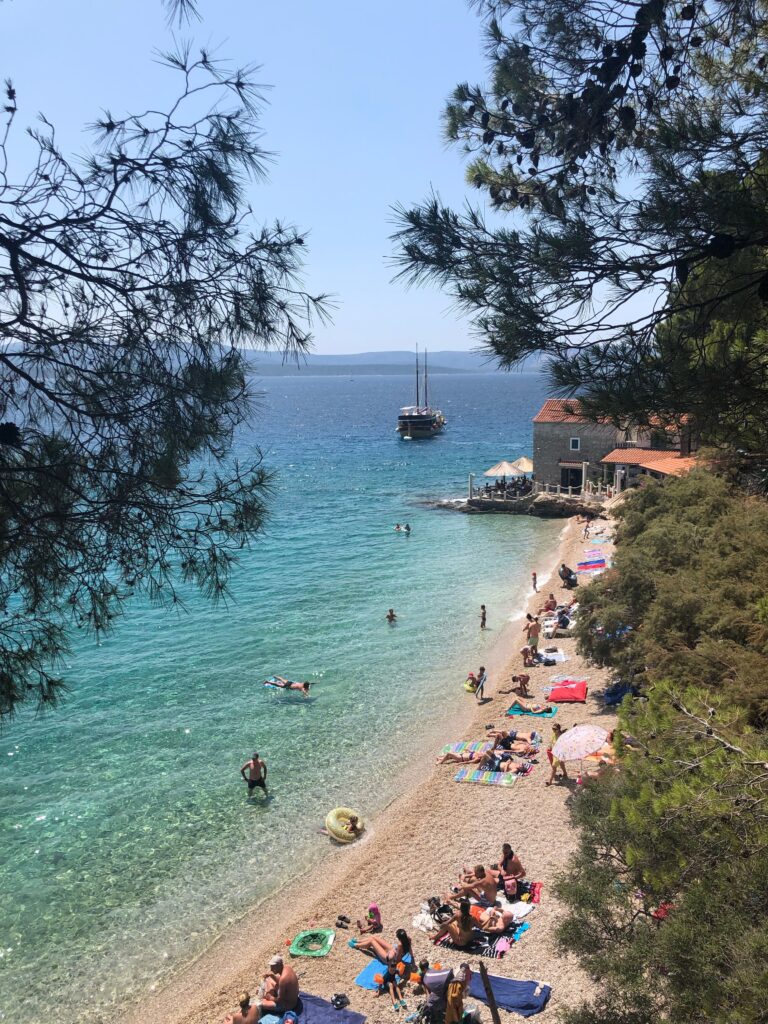
Importantly, the problem does not affect only tourists. Residents of coastal towns frequently complain that beaches become practically unusable during peak season due to overcrowding and aggressive reservation behaviour. Some locals increasingly avoid beaches entirely during the busiest summer weeks. This contributes to wider public debate about how mass tourism is changing everyday life along the Adriatic coast.
For decades, Croatian beach culture was associated with simplicity. You used to arrive, find a place, swim and relax. Now, in some destinations, the experience increasingly resembles competition for limited territory during peak hours. As tourism density grows, even ordinary beach routines are becoming more organised, strategic and sometimes confrontational.
At first glance, towels on beaches may seem trivial, but discussions increasingly suggest the issue represents something larger, and that’s the challenge of balancing tourism growth with quality of experience, public space and everyday comfort. This is an issue that affects almost every aspect of life on the Croatian coast as soon as summer rolls around, and the simple beach towel is becoming one of its many symbols.