
May the 24th, 2026 – A few years ago, Croatia became one of Europe’s most talked-about digital nomad destinations after the digital nomad permit was introduced. Now, Croatia wants its digital nomads to stay in the country longer, but there are growing challenges.
After the digital nomad permit (or visa, as it was wrongly referred to) came in, social media filled with images of remote workers answering emails from Adriatic cafes, island terraces and seaside apartments. However, according to growing discussion in Croatian-language business and lifestyle media, the story is now entering a new phase. The question is no longer whether Croatia can attract digital nomads, it’s whether it can keep them long term.
croatia became a surprising remote work success story

Croatia moved quickly during the global remote-work boom which took hold during the pandemic. The country introduced a digital nomad visa framework relatively early compared to many European competitors, positioning itself as an attractive destination for location-independent professionals. The timing was ideal.
Remote work was exploding globally, and Croatia already offered many of the ingredients nomads wanted:
Mediterranean climate, relatively strong safety, EU access, good internet coverage and an internationally recognisable lifestyle brand. For a while, Croatia became one of the region’s biggest remote-work success stories.
Even now, Croatia continues attracting remote workers for one key reason, quality of life, but how can it make it so that digital nomads can actually stay longer?
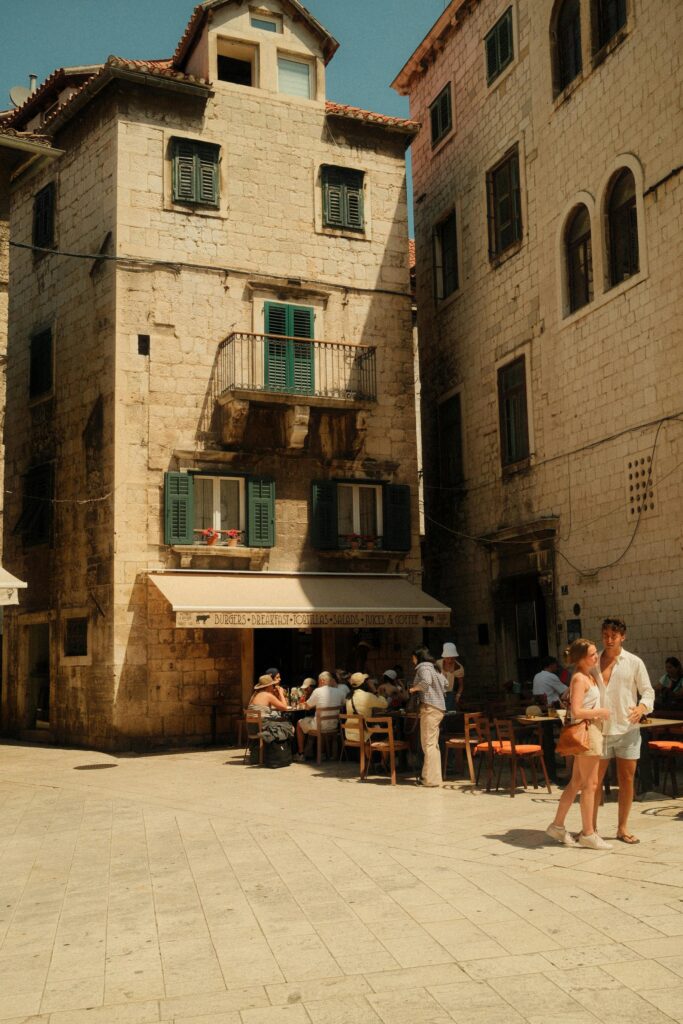
For many foreigners, the combination of coastline, cafes, walkable historic towns and relatively relaxed pace of life remains highly appealing compared to larger urban centres elsewhere in Europe. Cities like Split, Zagreb, Dubrovnik and Zadar developed visible nomad communities, co-working spaces and international networking events. That lifestyle appeal is still very strong.
affordability is becoming an issue
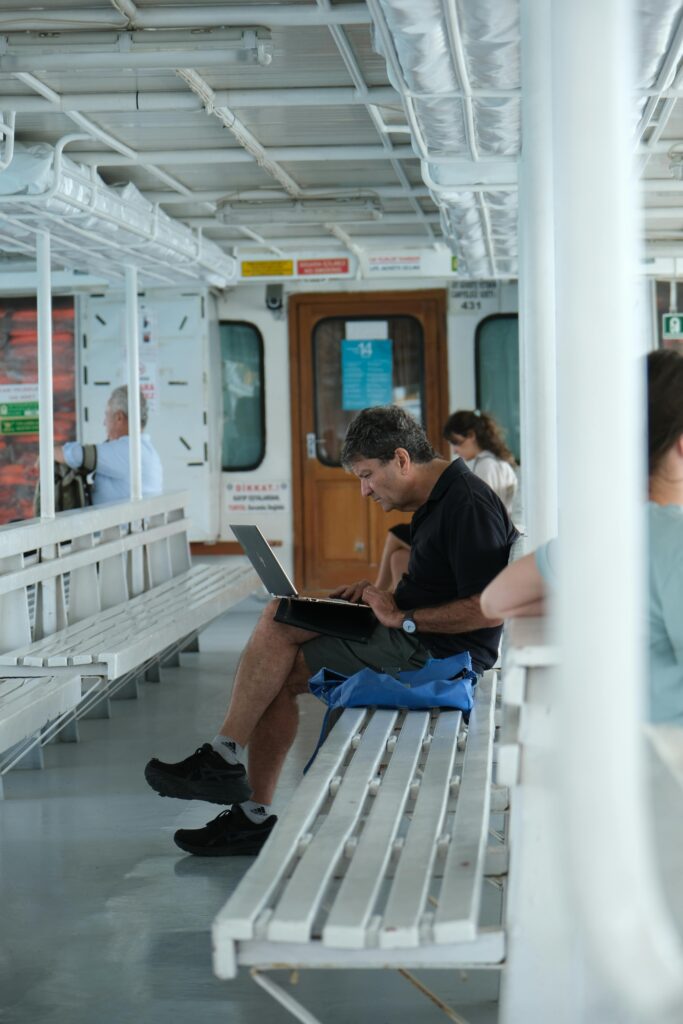
One of the biggest challenges now emerging is cost. Issue such as constantly rising apartment prices, expensive long-term rentals and growing frustration around housing availability in tourism-heavy areas. This affects not only locals, but also digital nomads themselves. Some remote workers who initially viewed Croatia as affordable compared to Western Europe now report that prices along parts of the Adriatic have risen sharply, especially during summer. In certain coastal cities, finding stable year-round accommodation has become increasingly difficult.
seasonality and tourism remain problematic
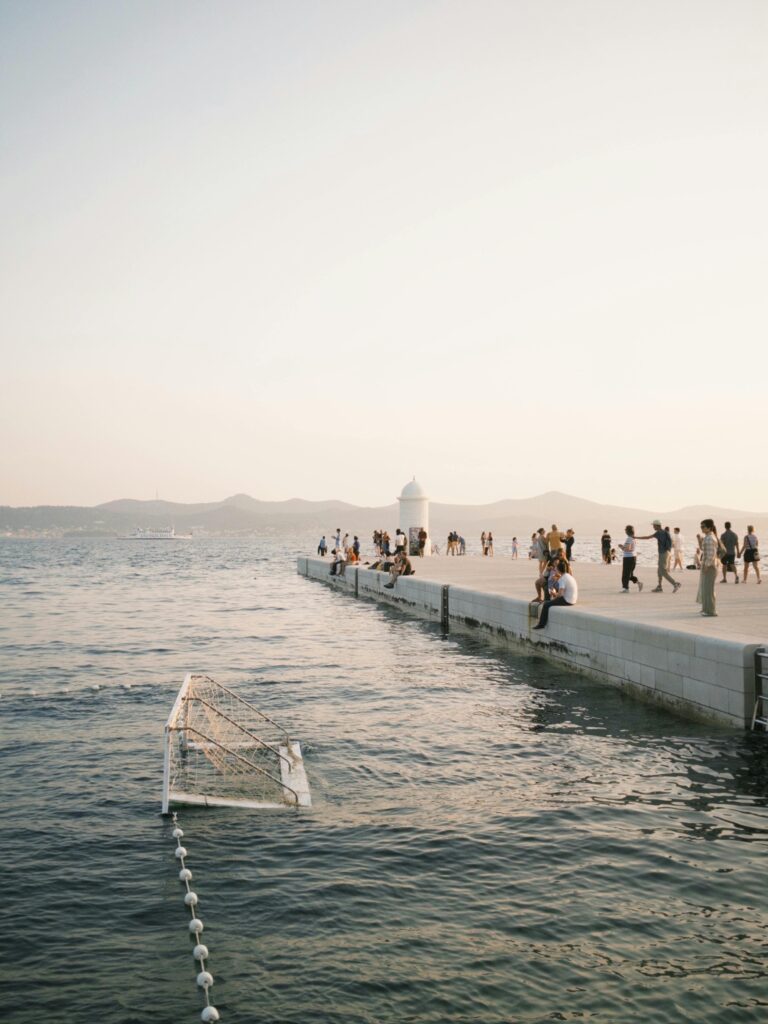
Croatia’s tourism structure also creates complications for longer-term remote residents. Many landlords prioritise short-term summer tourism income over stable annual rentals, meaning apartments often disappear from the long-term market once peak season approaches. As a result, some digital nomads experience Croatia as highly comfortable during winter and spring, but much harder to navigate during peak tourism months. This makes long-term settlement more complicated than temporary stays.
In many ways, Croatia’s digital nomad story is now maturing. The early novelty phase, where simply introducing such a permit generated international headlines, has long since passed.
Now the focus is shifting toward practical questions about whether or not people can realistically build stable lives, whether housing can remain accessible, or whether infrastructure can genuinely support year-round remote communities.
The answers to all of the above and more are becoming more complex as time goes on and trends alter.
croatia has (growing) competition, and locals aren’t necessarily huge fans of the digital nomad boom

Croatia is still a firm favourite, but it faces increasing international competition. Countries across Europe, Asia and Latin America now aggressively market themselves toward remote workers with specialised visas, tax incentives and relocation programmes. What once made Croatia stand out is no longer unique. This means the country increasingly needs to compete on long-term livability rather than short-term novelty alone.
Public opinion around digital nomads is also evolving. Some locals see remote workers as economically beneficial visitors who support cafes, restaurants and local business throughout the year. Others increasingly associate international remote work culture with rising rental prices and growing pressure on local housing markets. This mirrors debates now happening in many globally popular remote-work destinations.
Despite those challenges, Croatia remains highly attractive to remote professionals compared to many competing destinations. Safety, climate, EU and Eurozone membership, infrastructure quality and international accessibility continue working strongly in its favour. For many digital nomads, the Adriatic lifestyle still offers something difficult (if not impossible) to replicate elsewhere.
sustainability is the question
The real test now is sustainability. Croatia successfully captured global attention during the first wave of remote work expansion. The next challenge for Croatia is building systems that not only allow digital nomads to stay longer, but for local residents and tourism economies to coexist without creating unsustainable pressure on housing and infrastructure.