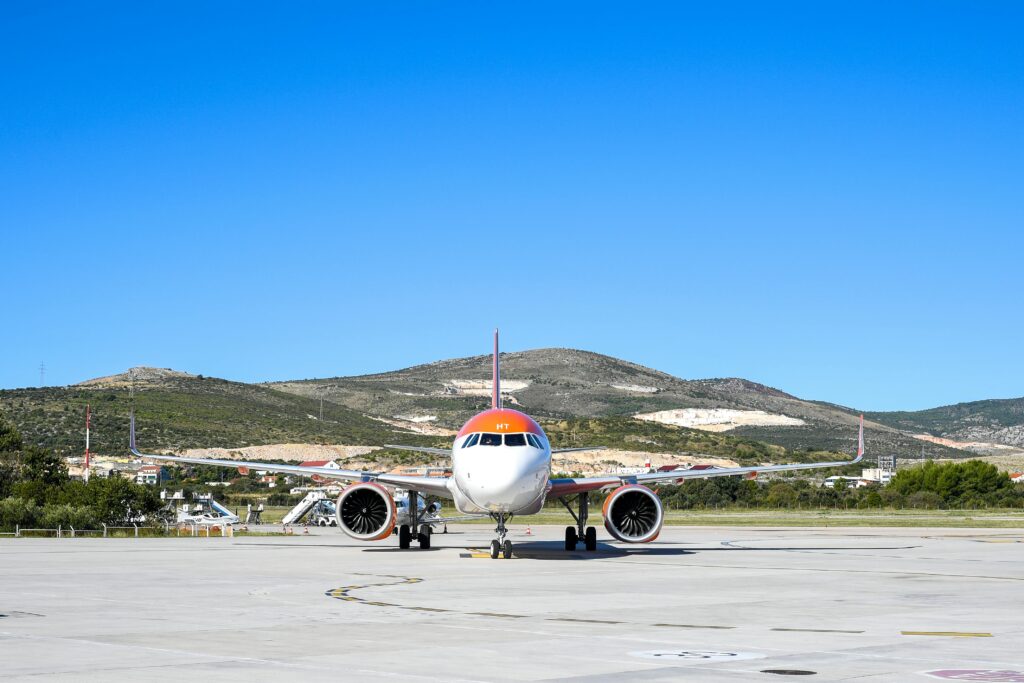
May the 24th, 2026 – Croatian airports are preparing for yet another record summer as the temperatures climb alongside the numbers of people descending on the country from far and wide.
From Franjo Tuđman Airport in Zagreb to Split Airport and Dubrovnik Airport down in the extreme south of Dalmatia, Croatian airports are preparing. The question on many minds at the moment is whether or not the country’s airport infrastructure will manage to keep pace with another huge summer influx set to come very soon.
increasing passenger numbers for croatian airports, and not just during summer
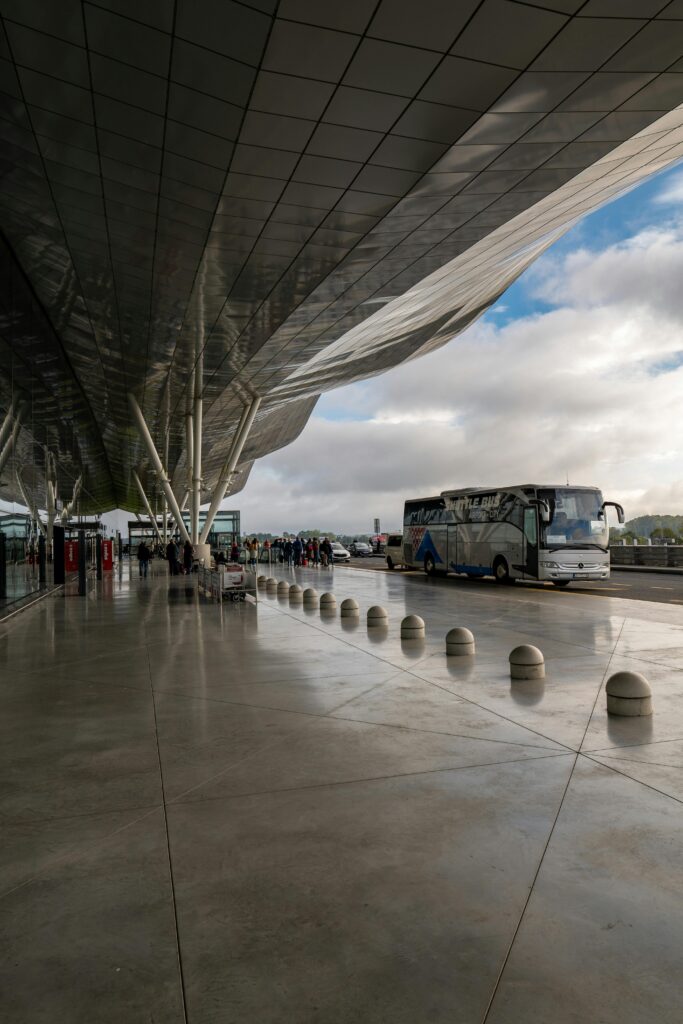
Croatia’s tourism recovery after the coronavirus pandemic has evolved into something much larger, and that is sustained growth. Airports across the country have experienced strong year-on-year increases in passenger traffic, driven by expanding tourism demand from across Europe and beyond. Budget airlines, seasonal charter operators and major international carriers are all increasing their presence on Croatian routes ahead of the summer peak.
For many Croatian airports, the challenge is no longer attracting traffic during summer and indeed outside of it, it’s about actually managing it efficiently.
huge pressure for dalmatian airports

The strongest seasonal pressure continues affecting the Adriatic coast, especially the airports of Split and Dubrovnik. Both airports experience enormous fluctuations between winter and summer traffic volumes, creating difficult operational conditions during peak months. On particularly busy summer weekends, passenger flows can surge dramatically as flights arrive almost continuously from major European cities. These airports have become known as key pressure points for the country’s entire tourism infrastructure.
more and more seasonal routes
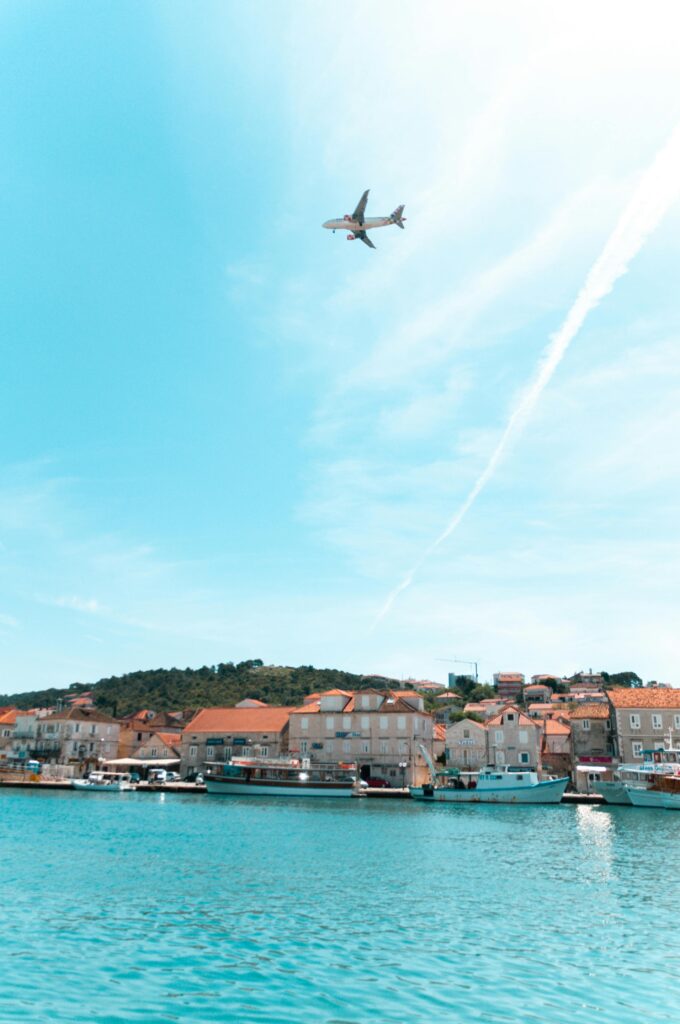
Another major trend this year is continued route expansion. Airlines increasingly see Croatia as a reliable Mediterranean destination with strong seasonal demand, especially as some competing destinations face political instability or climate-related disruptions. New direct routes from Western Europe, Scandinavia and Central Europe are continuing to appear across Croatian airport schedules. The result is a tourism market that is becoming more internationally connected every year.
croatia’s labour shortage affects this sector, as well
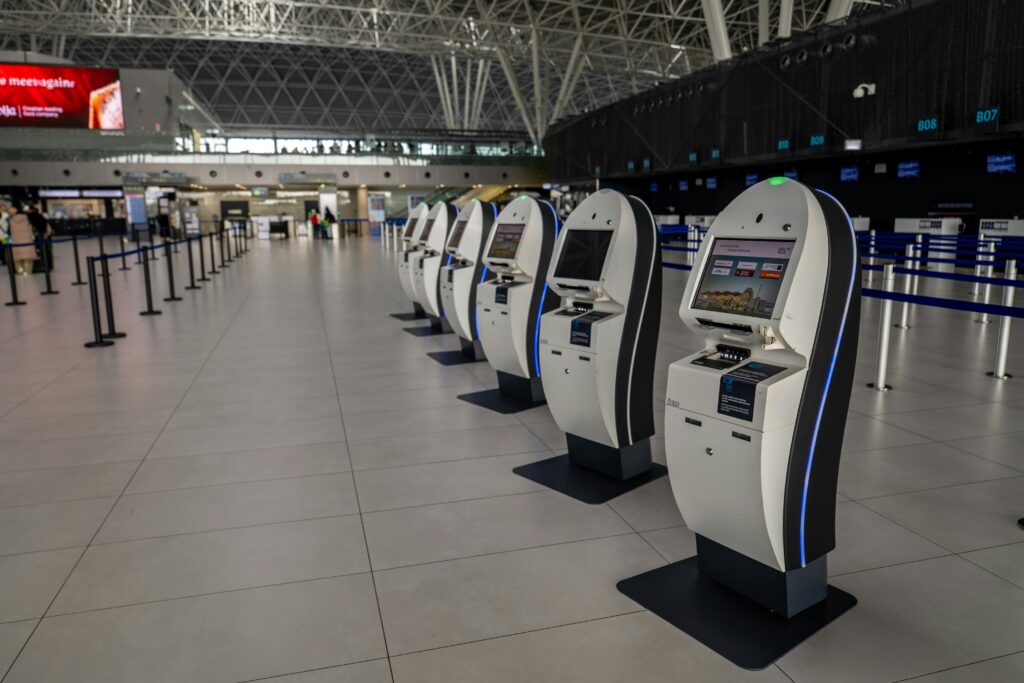
Like much of the tourism sector, airports also face labour shortages. Seasonal staffing for baggage handling, security, hospitality and ground operations remains a recurring challenge during summer peaks. It has been noticed that managing workforce capacity may become just as important as physical infrastructure expansion. Without enough operational staff, even modern airports can quickly experience delays and congestion.
Although millions of visitors to the country still arrive by car, air travel is increasingly central to Croatia’s tourism economy, especially for higher-spending international visitors. Direct connections allow destinations like Dubrovnik, Split and Zadar to access tourism markets far beyond the immediate region. This makes airport performance economically critical during summer months. Any sort of disruption, even a mild one, can quickly affect tourism flow, accommodation turnover and local business activity.
growth for smaller airports
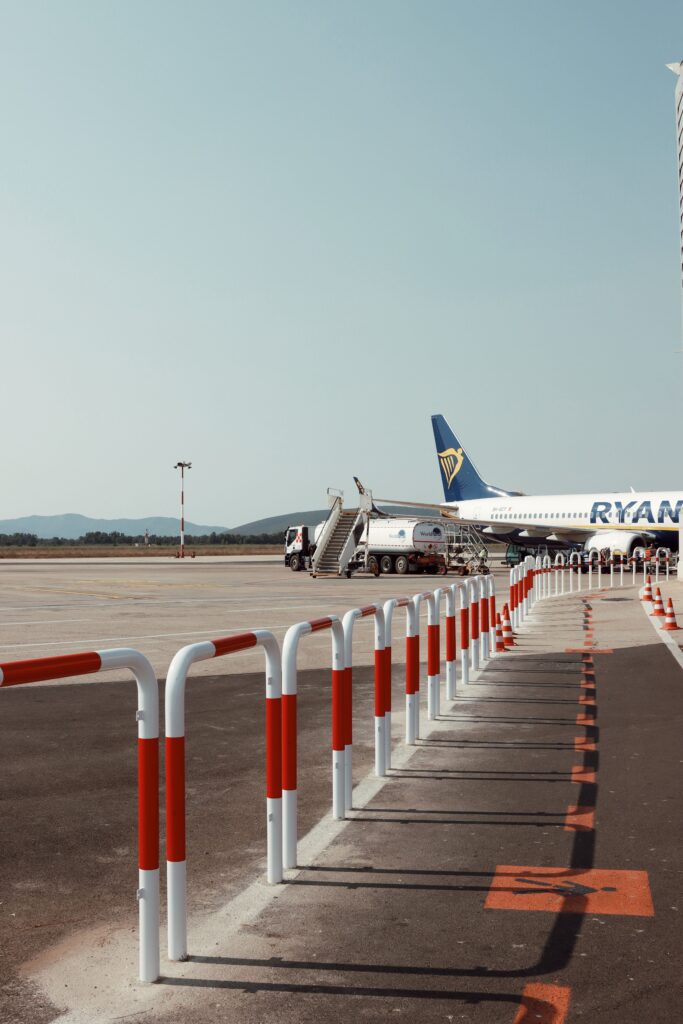
Growth is not limited to the largest hubs anymore, either. Airports in Zadar, Pula and Rijeka are also experiencing increasing attention from seasonal airlines and tourism planners. Low-cost carriers especially continue expanding operations in secondary Adriatic airports, helping spread tourism traffic across different coastal regions. This diversification is increasingly important as Croatia tries to reduce pressure on its busiest destinations.
Croatia has invested heavily in airport modernisation over the past decade. Brand new terminals, expanded facilities and upgraded operational systems have significantly improved the passenger experience compared to previous years. However, tourism growth continues accelerating at such a speed that infrastructure often struggles to stay comfortably ahead of demand. This creates recurring concerns about queues, crowding and capacity during the busiest periods.
croatia’s popularity isn’t all roses
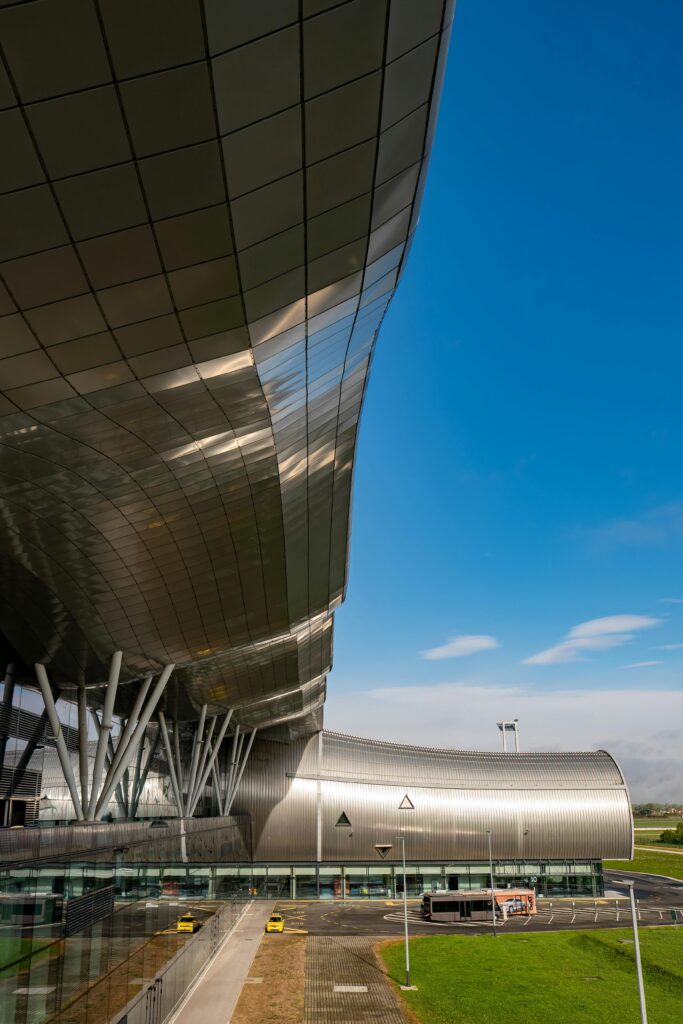
The bigger picture that Croatia is no longer a niche Mediterranean destination is now abundantly clear. Croatian airports now reflect a country that has become fully integrated into Europe’s major tourism flows, and summer traffic is enormous.
International connectivity continues expanding, visitor numbers keep rising and the Adriatic remains one of Europe’s strongest summer tourism magnets. As another peak season approaches, Croatian airports are once again preparing for the enormous logistical operation that comes with moving millions of travellers toward the coast as the scorching summer heat bites.